
Traffic arbitrage is one of those digital marketing strategies that looks insanely easy until you actually try it. Then, you’ll realize that there are a hundred little things that decide whether you make money or burn it. The goal is to bring in lower cost traffic and turn it into higher revenue, and doing that consistently takes real skill.
On one hand are landing pages that must load fast enough not to lose site visitors. And, on the other hand, you’ve got ad networks that act like they’re doing you a favor by approving your advertising campaigns. On top of that, you’re constantly trying to squeeze profit out of traffic that seems to get more expensive every week. As traffic sources push higher price bids, even small inefficiencies can kill your return on investment (ROI).
But here’s the good news: when you follow best practices, traffic arbitrage becomes much more predictable. In this guide, we’ll show how to run a profitable traffic arbitrage campaign and not get banned. We’ll also cover the main types of arbitrage traffic, as well as traffic sources, profitable niches, and some beginner mistakes to avoid.
What Is Traffic Arbitrage?
Traffic arbitrage is the process of buying cheap website traffic from one platform and directing it to another. The difference between how much you spend and what you earn is your profit. Everything you do here revolves around controlling these two numbers: cost per click on the front end and revenue per visitor on the backend.
Let’s break this down with an AdSense arbitrage example. Say you run ads on Facebook for $0.20 per click and send traffic to a landing page showing affiliate ads. If that monetized page makes an average of $0.40 per visitor, you’re doubling your money on every click. This is basically what people call AdSense arbitrage, where you buy cheap traffic and monetize it through AdSense ads or other display ads.
Scale increases both your traffic and ROI as long as your profit margins are high and the traffic source is compliant. Your overall conversion rates also depend on how relevant your content is to the visitor’s intent.
How to Earn From Traffic Arbitrage
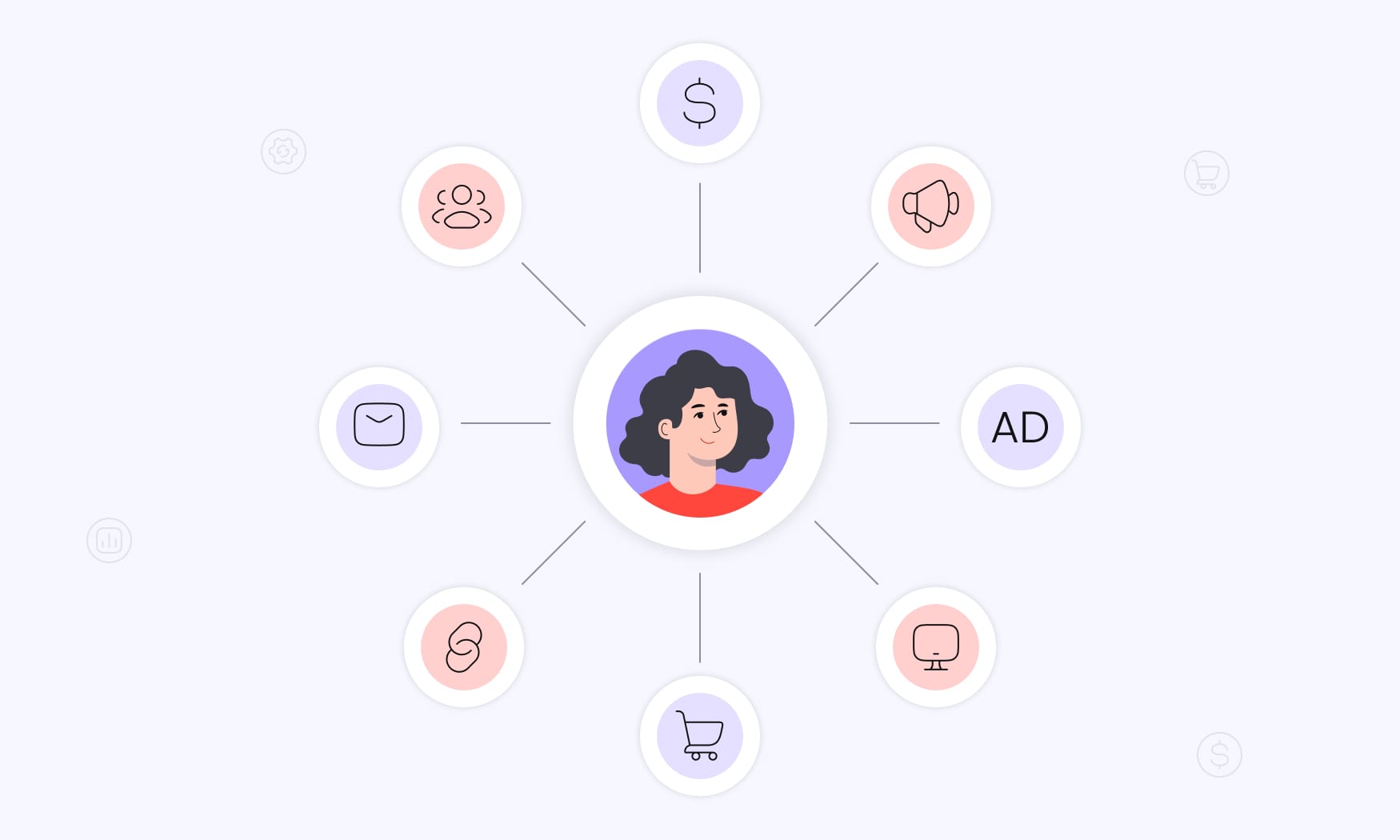
Every site visitor has a chance to earn you money in different ways, depending on how your page is set up. Here are the most popular ways to earn from traffic arbitrage:
- Ad revenue — earn money every time visitors see or click ads on your page.
- Affiliate marketing commissions — get paid when someone buys an item, signs up, or completes some other action through your affiliate link.
- Lead generation payouts — collect leads and sell or send them to partners for a fixed payout.
- Notification monetization — earn money from users who subscribe to push notifications over time.
- Native content recommendations — get paid when users click on recommended articles or content widgets.
- Email funnel monetization — capture emails once and make money through newsletters, promos, and automated sequences.
- Digital products — sell your own digital products (like consultations, services, and courses) for higher profit margins.
- E-commerce or dropshipping sales — advertise a physical product that earns you a profit per sale.
Some setups rely heavily on affiliate marketing programs and affiliate networks, while others earn purely through display ads or data collection.
Who Participates in Traffic Arbitrage?
Traffic arbitrage attracts a mix of people, from solo affiliate marketers testing small budgets to full-blown media buyers running thousands of clicks a day. You’ve also got publishers and website owners who buy traffic to boost their ad revenue, plus ecommerce store owners who use arbitrage-style campaigns to push profitable products.
Most beginners start with social media platforms, while advanced media buyers prefer stable search or native sources. That said, each group plays the same game. They buy low-cost traffic, earn more on the backend, and protect their accounts like their lives depend on it. That’s because no matter who you are, staying compliant and sending real, high-quality traffic is what keeps you from getting banned and keeps the money flowing.
Types of Arbitrage Traffic
Traffic arbitrage gives you a handful of different ways to bring in visitors. Each has its own rules, but once you understand how it works, choosing the right setup becomes way easier.
Let’s break down the main traffic types you’ll see people using today.
Search Arbitrage
Search engines provide the cleanest intent signals, which is why many Google AdSense publishers love this model. You’re buying traffic from Google Ads based on keywords people are already searching for, then sending it to a page that matches their intent.
The main con here is predictability. People who click your affiliate links from search results arrive with a purpose, so their user behavior is usually consistent. Such people scroll, read, and interact without much persuasion. If you like clean data and stable campaigns, you’ll find search arbitrage very comfortable.
Social Media Arbitrage
Social media arbitrage focuses on attention-driven traffic. You use videos or strong hooks on your TikTok campaigns, Facebook ads, or Instagram sponsored posts to spark curiosity, and then send people to a landing page or prelander.
It makes sense to go into social media arbitrage if you enjoy creative testing because you get feedback fast. Social media users react instantly, which means you’ll know within hours whether your angle lands. But traffic quality can fluctuate wildly on social media platforms, so constant testing is required.
Native Ads Arbitrage
Native advertising involves setting up paid campaigns that match the look and feel of the platform where they are displayed. The flow feels natural, so users often see your ad as just another organic post in their feed. Native ad networks also push huge volumes, especially when paired with display ads on your landing page.
This model works best when you enjoy storytelling. Listicles, reviews, and comparison-style posts all thrive here. Native traffic tends to scroll and explore when the content feels genuinely interesting, which gives you space to guide them through your page at a relaxed pace.
Lead Generation Arbitrage
Lead gen arbitrage focuses on attracting people who are already open to solving a specific problem. You buy traffic, send it to a simple form, and collect data. Most CPA offers pay you for specific actions like quote requests, sign-ups, or short surveys. These payouts usually come from specialized CPA networks that focus on high-intent lead forms.
What makes lead generation arbitrage appealing is how clear the intent is. When your message matches what people actually want (like quotes, estimates, or eligibility checks), the flow feels easy and natural. It’s a good fit if you prioritize clean funnels and direct user actions.
Click Arbitrage
Click arbitrage is a traffic model where you buy cheap clicks and send those visitors to a page designed to earn you more money per click than you spent. Click arbitrage is built on curiosity, so to excel here, you have to create fun, interesting, or emotional content that pulls people in. This can be a listicle, quiz, surprising fact, poll, or something along those lines.
It’s a creative model that rewards personality. When your page is enjoyable and easy to skim, people naturally explore more. If you’re the type who loves catchy headlines or light entertainment content, click arbitrage feels like second nature. Sometimes click-style articles go viral and drive free traffic on their own.
How to Do Traffic Arbitrage (Step-by-Step)
Let’s walk you through how to set up a traffic arbitrage campaign that earns you more money than you spend.
1. Choose a Profitable Niche
The best niches have high advertiser demand, meaning many brands are paying to get in front of buyers. That competition pushes payouts up, and that’s exactly what you want in traffic arbitrage. When your niche has both interest and high cost per click (CPC) value, you get more revenue per visitor with the same amount of traffic.
Here are niches that consistently perform well:
- Finance — people always need loans, credit cards, budgeting tips, or ways to save money.
- Insurance — auto, home, and health insurance have massive lead payouts because each customer is worth a lot to companies.
- Health and wellness — sub-niches like bodybuilding, weight loss, and sleep are always in demand (for instance, the weight loss supplement market size is expected to hit $77.21 billion by 2032).
- Home services — local businesses (such as roofing, plumbing, and pest control services) pay well for high-quality leads.
- Tech and gadgets — product reviews and “best of” lists drive strong engagement and click-through.
- Beauty and skincare — this is a social-friendly niche with impulse-driven user behavior, and it generates over $650 billion in annual revenue worldwide.
2. Build a Landing Page
Your landing page should load quickly (ideally within two seconds), match the promise of your ad, and reassure visitors that they landed in the right place. Besides speed, these are other elements of a good landing page or prelander:
- A clear headline that matches your ad — the landing page must follow up on what you promised in the ad.
- Short, skimmable paragraphs — people skim online, not read walls of text.
- Clean layout — use spacing, bullets, and no clutter.
- A clear call-to-action — guide readers to an action, which can either be filling a form, creating an account, starting a free trial, purchasing a product, or signing up for a newsletter.
3. Buy Cheap Traffic
The emphasis here is “cheap.” You want to make money, so you need a traffic source that sends you low-cost clicks without tanking your traffic quality. Different traffic sources have different types of user behavior, so your choice depends on your campaign style.
Search traffic is more intent-based, while traffic from social networks is curiosity-driven. Native traffic sits somewhere in the middle, working well for story-style content. Many media buyers use multiple accounts to test different angles without risking their main profiles.
These are some of the best platforms to use for traffic arbitrage:
- Google Ads — best for high-intent search campaigns
- Facebook and Instagram Ads — strong visual creatives and fast feedback
- TikTok Ads — very cheap clicks and massive scale
- Taboola and Outbrain — great for listicles and long-form content
- Revcontent — budget-friendly native traffic
- PropellerAds — push, pop, and redirect traffic for simple funnels
4. Send Traffic to the Monetization Source
Once people land on your page, your job is to lead them toward the thing that earns you money. This could be an ad-filled article, an affiliate offer, a comparison list, or a lead form. The key is natural flow. Users shouldn’t jump from one idea to another. Instead, each step should feel like the logical next thing. If the experience feels smooth, users explore more, and your earnings per user go up.
The most popular monetization destinations you can use include:
- AdSense arbitrage or display-ad articles;
- affiliate offer pages;
- quiz results pages;
- lead forms;
- product pages;
- email opt-in funnels.
5. Measure Performance
Traffic arbitrage only works when you know your numbers. Performance tracking tells you what’s working, what’s wasting money, and what needs a quick fix. You want to track customer behavior on your landing page and how much you earn.
This means keeping an eye on metrics like:
- EPC (Earnings per click) — how much each visitor earns you
- CPC (Cost per click) — how much you pay to get that visitor
- CTR (Click-through rate) — both for ads and landing page buttons
- RPM (Revenue per 1,000 visitors) — especially for display- and native-driven pages
- Bounce rate — how quickly visitors leave your page without engaging
- Scroll depth — how far people move down the page before they exit
You also want to keep an eye on conversion rates, traffic quality, and profit margins.
6. Scale High-Performing Traffic Arbitrage Campaigns
Once you find a combination of traffic, landing page, and angle that consistently produces positive ROI, slowly put more money into it. The goal is to increase spend while keeping your growth metrics balanced. When scaling works, your advertising campaigns grow without losing performance.
Your advertising campaign is effective and to scale when:
- EPC is higher than CPC for several days;
- bounce rate is low, and scroll depth is healthy;
- results stay consistent across spends;
- your traffic source remains compliant;
- increasing the budget doesn’t tank performance.
Now that you know how traffic arbitrage works, let’s talk about picking offers that won’t waste your traffic.
How to Choose a Traffic Arbitrage Affiliate Program
A good affiliate program starts with relevance. For example, if your traffic comes from TikTok, don’t promote something only boomers care about. Choose a program that matches your niche and target audience. When the offer aligns with what your audience already thinks about or struggles with, conversions come naturally.
Next, look at the payout structure and your EPC. Some offers look amazing on paper but barely convert. Choose programs that show real EPC data, fair payouts, and ideally have multiple landing pages or angles you can test. Networks like MaxBounty, Awin, FlexOffers, CrakRevenue, or even vertical-specific networks are solid places to start.
You also want friendly policies. Some brands hate arbitrage traffic; others welcome it. Read the rules, check what’s allowed, and make sure you can run paid traffic directly or through a pre-lander.
Finally, look for support. Good affiliate campaign managers will tell you what creatives work, what traffic converts best, and what angles to avoid. That alone can save you weeks of testing and wasted ad spend.
Traffic Arbitrage Tips to Avoid Getting Banned

Nothing kills a promising campaign faster than an unexpected ban. And honestly, most bans don’t happen because someone tried to do something shady. They happen because the platform’s rules weren’t clear, the landing page didn’t match the ad, or the traffic behaved in a way the system didn’t like.
Here are simple, practical things you can do to stay safe:
- Follow each platform’s ad policies — Every traffic source has its own rulebook. Read it, follow it, and update your ads when policies change.
- Match your ad message with your landing page — Whatever you promise in the ad should appear on your page instantly. For instance, if your ad highlights a lower-cost alternative to a popular product, the landing page must highlight the product’s affordability.
- Stay realistic with your claims — A line like “See smoother skin with consistent use” feels natural, unlike “Remove wrinkles in 24 hours!”
- Use a mobile-friendly landing page — Over 60% of internet users browse on their mobile devices, so your landing page has to look and feel great on mobile.
- Send only legit traffic — In traffic arbitrage, your results depend heavily on traffic quality, because low-quality clicks and bot traffic destroy profit. Real traffic behaves naturally and keeps your account safe.
- Avoid cloaking — Cloaking is when you show the ad platform a safe version of your page, but send users to a different one. These platforms spot cloaking right away and shut accounts down for it.
- Resolve compliance issues early — If you get warnings or disapprovals, fix them immediately. One ignored issue can snowball into a full account ban.
Do these right, and you’ll avoid most of the problems that knock beginners out of the game.
Conclusion – Monitor Campaign Performance With RedTrack
To run a profitable traffic arbitrage campaign, keep tabs on the exact amount you pay for a visitor and how much that visitor earns you back. Once you get comfortable tracking those two things, the whole model becomes way less stressful and way more predictable.
The truth is, traffic arbitrage is just a data game. The more accurate your numbers, the easier it is to scale without blowing up your accounts or budget. When you can see what’s actually happening inside your funnel, you start scaling with confidence, and that’s where the real money is.
Without proper tracking, you have no real visibility into which landing page is quietly boosting your revenue, which ad is wasting your budget, or which traffic source is sending junk visitors. Ad tracking software like RedTrack makes a huge difference here. RedTrack eliminates all of that confusion. It cleans up your marketing attribution, catches every conversion with server-side tracking, and gives you a reporting dashboard that’s easy to understand. In short, RedTrack is the only ad management software that gives you the kind of clarity that saves you hours of testing and thousands of dollars in wasted spend.
If you want to see what RedTrack can do for your campaigns, book a free demo. We’ll help you build a setup that helps your traffic work for you.


