
Chrome may have changed its mind about blocking third-party cookies universally, but that doesn’t mean cookie-based systems will stick around as the main method for tracking conversions. They might for a while, but every marketer who knows what’s good for them will be looking way beyond the “cookie” solution.
Why? Well…
First, because the industry is still moving towards a privacy-centric data collection future.
Second, because we always want to be a step ahead. We want the latest gadget, the one that delivers more, takes less, and beats its predecessor. We want (and dare I say, need) postback conversion tracking.
And if I may add a third, nobody wants to be Kodak. Remember them? Exactly.
Marketers need to make a choice, and that choice is whether they stick to cookie-based tracking or enter an entirely new game with postback tracking. This is a critical decision. Traditional pixels and browser cookies may have dominated conversion tracking for years, but server-to-server tracking has entered the room, and it’s become the gold standard (and with good reason). It’s more accurate, it’s privacy-compliant, and unlike cookie tracking, it takes care of cross-device tracking seamlessly.
But don’t let these few hundred introductory words convince you. Keep reading and find out for yourself how the two methods compare, and why postback tracking is the only way for you to future-proof your ad and marketing campaigns.
In a nutshell: Postback tracking vs cookie-based tracking
Here’s the deal: both are tracking methods media buyers and digital marketers use to optimize campaign performance, but they collect and deliver the data goods in different ways.
How postback tracking works
Postback tracking (AKA S2S, server-side tracking, or server call tracking) uses a server-to-server approach where conversion data flows directly between the advertiser’s server and the tracking platform. So essentially, this method doesn’t rely on the user’s browser.
- What this looks like in the real world: When a conversion happens, the advertiser’s server sends conversion information through a postback URL to the tracking system (S2S tool), creating a direct communication pathway that bypasses browser-based limitations completely.
How cookie-based tracking works
Cookie-based tracking (AKA pixel tracking or browser-based tracking) depends on small data files (cookies) stored in the user’s browser and tracking pixels placed on landing pages.
- What this looks like in the real world: When a user clicks an ad, tracking cookies are placed in the user’s browser. When that user converts later down the line (in days or weeks), a tracking pixel is fired, which reports the conversion back to the tracking platform (cookie-tracking tool).
So, the main difference is where the data collection happens.
- Server-side tracking happens independent of user actions and browser privacy settings.
- Cookie-based tracking depends entirely on the user’s browser functionality.
Postback vs Cookie Tracking: The comparison table
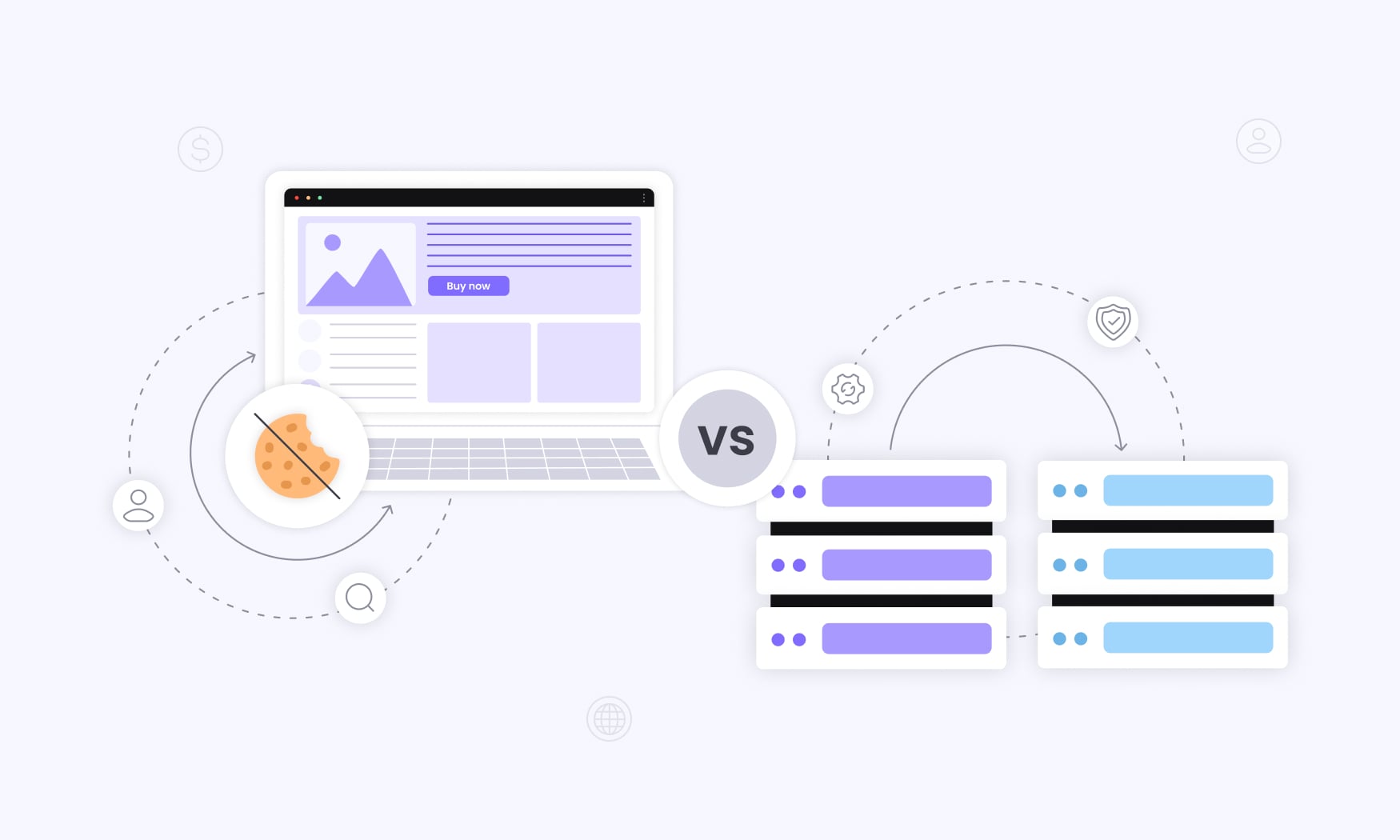
Now that you know the basic concept on which each method is based, let’s take a closer look at how postback and cookie tracking models and tools compare.
| Feature | Postback Tracking | Cookie-Based Tracking |
| Browser Dependency | Zero dependency | Complete dependency |
| Ad Blocker Impact | Immune | Significant data loss |
| Mobile App Support | Full support | Limited/impossible |
| Cross-Device Tracking | Seamless | Requires workarounds |
| Privacy Compliance | GDPR/CCPA friendly | Requires consent |
| Technical Setup | Moderate complexity | Simple initial setup |
| Real-Time Data | Instant | Can be delayed |
| Fraud Prevention | Built-in server validation | Limited protection |
Advantages of postback tracking
With server-to-server tracking, you get a bunch of advantages that are impossible with cookie-based tracking. That’s what makes it a far superior tracking method for performance marketers and media buyers.
Let’s take a look at the advantages one by one.
- Complete immunity to ad blockers – Because postback tracking operates entirely on the server level, ad blockers cannot interfere with data collection. This means you won’t lose any of the conversion data that normally gets lost or denied by ad blockers in cookie-based tracking systems.
- 100% cookie-free system – With postback tracking, you completely bypass the whole browser privacy settings issue. So you’re not impacted by cookie restrictions or third-party cookie blocking. o matter what happens with browser updates or privacy settings, your tracking accuracy and system keep its flow.
- Real-time conversion data – Because conversion data is instantly delivered server-to-server, there’s no waiting around for pixels to load or fire. So you get to see the data, make the right decision quickly, and your campaigns immediately. This is super helpful for media buyers managing multiple offers across different traffic sources.
- Cross-device & platform support – It’s totally irrelevant whether your traffic converts on desktop browsers, mobile web, or via mobile apps; postback tracking maintains consistent accuracy across all.
- Enhanced fraud prevention – When you use server-side tracking, you also get sophisticated fraud detection to examine conversion patterns, validate transaction authenticity, and prevent fake conversions before they skew your campaign data.
- Simplified privacy compliance – Because postback tracking doesn’t store data in user browsers and because it doesn’t need tracking cookies, GDPR and CCPA compliance become much easier.
- Future-proof solution – Tracking user behavior is becoming more and more scrutinized, server tracking has become one of the most sustainable solutions that won’t be impacted by continuously changing browser policies and regulatory updates.
Disadvantages of cookie-based tracking
Let’s face it, cookie-based tracking was good enough while it was the only option available. It served the digital marketing industry for years, but with privacy laws and browser policies changing, it’s become ineffective and limited.
Here’s why cookie-based tracking is no longer a good-enough option.
- Serious vulnerability to ad blockers – Ad blockers can completely prevent tracking pixels from loading or firing. This creates data gaps in your conversion tracking, which means you make campaign optimization decisions on incomplete information and undereported conversion rates.
- Cookie deletion and expiration issues – Users clear browser cookies (either manually or through automated privacy tools). This instantly breaks the attribution link between the clicks and the conversions. On top of that, browser cookies expire naturally (some browsers, like Safari, automatically delete cookies after just 7 days of user inactivity).
- Browser privacy settings – Loads of modern browsers increasingly block third-party cookies by default (Safari and Firefox are leading this trend). So cookie placement is entirely prevented, which makes attribution impossible for a good percentage of your traffic.
- JavaScript dependency – Pixel or cookie tracking relies on JavaScript. The problem with this is that JavaScript can fail you with slow page loads, script errors, and user browser configurations. Every time a JavaScript fails, tracking pixels don’t fire, and conversion data gets lost permanently.
- Mobile app tracking limitations – Browser cookies are nonexistent in mobile apps, which makes pixel-based tracking impossible for any app-based conversions. So here you have a major blind spot for businesses that rely heavily on mobile app funnels or multi-platform user journeys.
- Privacy regulation compliance trouble – GDPR and CCPA both need explicit user consent to track cookies. This creates unfixable friction in the user experience with consent banners and opt-in requirements. Any user who declines consent won’t be tracked, and therefore, you won’t get to collect the conversion data you need.
- Cross-device attribution mishaps – Cookie-based trackers can’t follow users across devices. If a user clicks an ad on mobile and then converts on a desktop, the attribution link is broken unless you set up complex cross-device matching solutions.
Privacy and compliance issues you need to think about
You can’t ignore the privacy and regulatory changes. They all directly impact how conversion tracking is done, so you need to make compliance a critical factor in your decision on whether to go with a postback tracking and cookie-based tracking system.
Here are some of the main compliance issues you need to be aware of before making your decision.
- GDPR and cookie consent requirements – GDPR rules clearly state that cookie-based tracking needs to be explicitly approved by the user before placing any tracking cookies in browsers. Postback tracking doesn’t have this issue because it doesn’t store data in users’ browsers.
- CCPA compliance differences – Residents in certain states and regions are protected by additional compliance policies. The California Consumer Privacy Act’s (CCPA) “Do Not Sell” requirements and user data deletion rights protect California residents from businesses collecting and using their personal data. With server-to-server tracking, compliance is kept simple because user data is processed on the server side, away from browser-based storage that triggers most CCPA obligations.
- Apple iOS 14.5+ and App Tracking Transparency – Apple’s App Tracking Transparency framework restricts traditional pixel tracking on mobiles. However, it has minimal impact on properly configured postback tracking.
- Data ownership and control – Server-side tracking provides better data ownership since conversion information flows directly between your servers and tracking platforms. It doesn’t rely on browser-stored data that users can delete or modify.
What about performance and accuracy?
When it comes to performance and accuracy, postback tracking delivers more tha traditional cookie-based methods.
Attribution speed analysis
With server-side tracking, you get conversion data in real-time. In most cases, within seconds after the conversion takes place. On the other hand, cookie-based pixel tracking comes with a delay due to:
- Page load speed’s impact on pixel firing
- JavaScript execution
- Ad blockers preventing pixel requests
- Browser caching interfering with pixel calls
Data loss prevention
With postback tracking, you simply prevent the loss of valuable data. If a postback data tracking activity fails the first time, most tracking platforms normally have an automatic retry logic set up to make sure that data gets collected and delivered.
With cookie tracking, you have no such option. When a cookie is deleted or blocked, that attribution link is lost forever.
Cross-device attribution capabilities
Server tracking takes care of cross-device tracking with unique transaction IDs that follow users across any device. This is a gap that cookie-based tracking cannot bridge.
Fraud detection and prevention
With postback tracking, you get the added advantage of server-side validation, which lets you pick up and prevent fraudulent conversions. The technology looks at conversion patterns and validates transaction details, so you can pick up suspicious activity before it impacts your campaign data.
On the other hand, browser-based tracking comes with limited fraud protection, as malicious actors can manipulate client-side tracking elements.
How to choose the right tracking method
To help you work out which tracking method is the better fit for your marketing operation, we’ve got a decision matrix to guide your decision.
Decision Matrix Framework
| Business Factor | Favors Postback | Favors Cookies |
| Accuracy Priority | High accuracy requirements | Basic tracking acceptable |
| Mobile Traffic % | >30% mobile users | Primarily desktop |
| Attribution Window | >7 days | <3 days |
| Technical Resources | Development team available | Limited technical setup |
| Compliance Requirements | GDPR/CCPA jurisdictions | Minimal privacy requirements |
| Budget for Setup | Can invest in proper implementation | Minimal upfront costs |
| Campaign Volume | High-volume performance marketing | Small-scale campaigns |
What about implementation requirements?
To implement either tracking method effectively, you need to know what each one demands in three key areas: technical requirements and complexity, resources needed, and possible integrations.
Steps you need to take to set up the postback tracking system
To set up server-to-server tracking, you need to configure the system to make sure you get accurate conversion attribution across all your campaigns.
There are five steps you need to follow.
1. Generate Unique Postback URLs
Work with your tracking platform to generate postback URLs specific to each offer ID and traffic source combination.
These URLs will include placeholders for dynamic data for things like transaction ID, conversion value, and any other campaign parameters you have.
2. Configure Essential Parameters
Set up the critical data points you want your postback to transmit:
- {transaction_id} or {click_id} for conversion matching
- {offer_id} for offer identification
- {conversion_value} or {payout} for revenue tracking
- Custom parameters for additional data points
3. Integrate with Advertiser Systems
Next, you need to configure your conversion tracking system (e-commerce platform, CRM, lead management system) to fire postbacks when conversions happen. This usually involves adding postback firing code, your conversion confirmation pages, or server-side conversion handlers.
4. Test Conversion Flow
Then, use your tracking platform’s testing tools to verify that postbacks fire correctly.
Most platforms will have test modes where you can simulate conversions and verify data flows properly through the communications pipeline.
5. Monitor and Optimize
Finally, implement real-time monitoring to catch any postback failures or data mismatches immediately, and set up alerts for missing conversions. Make sure you regularly audit your conversion data for accuracy.
Steps you need to take to set up the cookie-based tracking system
If you choose to go with the cookie-based tracking system, here are the five steps you need to take to set it up.
1.Pixel installation
First, go and place tracking pixels on your conversion pages using JavaScript or iframe pixel methods.
2.Cookie configuration
Then, set appropriate cookie durations for your attribution windows and configure cross-domain tracking if your funnel spans across multiple domains.
Keep in mind that first-party cookies in most cases, have better survival rates than third-party cookies.
3.Attribution window management
Next, define how long cookies should persist and handle cookie expiration scenarios.
Know that shorter windows reduce data loss, but may miss longer conversion cycles. On the other hand, longer windows increase the risk of cookie deletion.
4.Cross-domain tracking setup
If your user converts on a different domain than the one they clicked initially, make sure you implement cross-domain cookie sharing mechanisms.
This is the additional layer of complexity we mentioned earlier, but if you don’t set this up, it presents additional points of failure to your tracking logic and data accuracy.
5.Testing and validation
Finally, test pixel firing across different browsers, devices, and scenarios.
Make sure cookies persist through your expected user journeys and that conversions are attributed correctly across your entire tracking system.
Postback tracking: The tracking method that won’t fail you
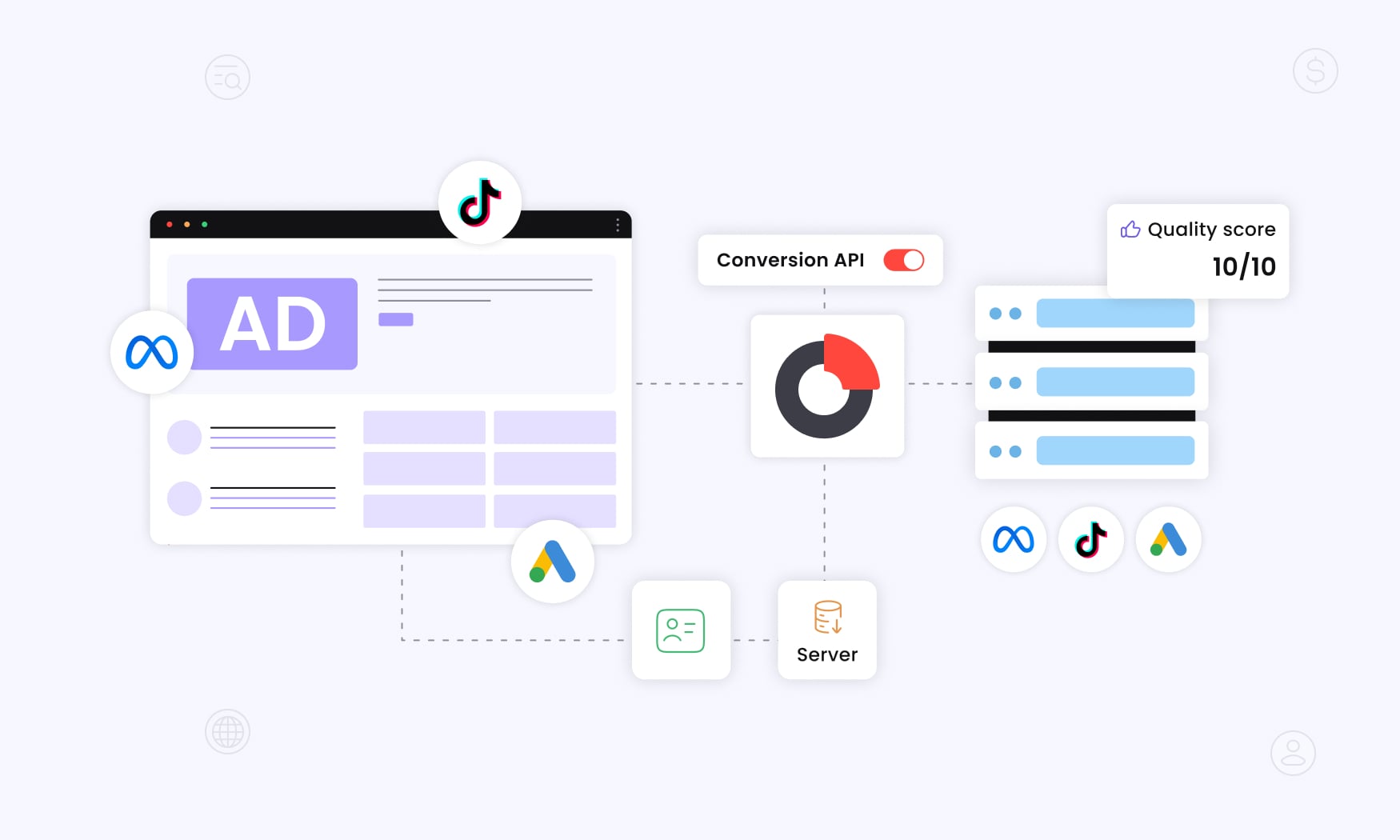
The digital advertising industry is transforming. Because it’s rapidly moving away from cookie-dependent tracking toward privacy-first solutions that prioritize user consent, you need to make sure you choose a system that can deliver the data insights you need without posing a business and compliance risk.
Major advertising platforms are already adapting to the cookieless future by prioritizing server-to-server integration and first-party data collection. Facebook’s Conversions API, Google’s Enhanced Conversions, and similar solutions from other platforms all rely on server-side data transmission rather than browser-based tracking.
That’s why performance marketers and media buyers are turning to tracking platforms like RedTrack.
While many tools still try to patch the shortcomings of pixel tracking, RedTrack gives you a fully dedicated S2S infrastructure that handles attribution with precision and consistency. You get reliable first-party data, stable postback delivery, automatic retry logic, cross-device accuracy, fraud protection, privacy-friendly tracking, and integrations across hundreds of ad networks, affiliate networks, and e-commerce platforms.
If you want to future-proof your attribution, eliminate data leaks, and finally get a single source of truth for all your campaigns, RedTrack is the conversion tracking partner you need.


