
With over 14 billion daily searches, Google Ads is often the first stop for advertisers, and for good reason. Google offers intent-driven targeting that helps you reach new audiences.
But here’s the catch: Google Ads is super competitive, which drives up the cost per click (CPC), with businesses in the legal industry having to pay $6.75 on average. Ad fatigue is another serious drawback, with everyone fighting for the same clicks. As a result, campaigns may not always maximize ad spend.
That’s why advertising agencies and performance marketers are now swapping out Google with ad networks that give them fresh traffic sources, lower costs, and specific audiences. So, what is the best alternative to Google Ads? Check out 11 pay-per-click (PPC) platforms that hit the mark.
1. Microsoft Advertising (Formerly Bing Ads)
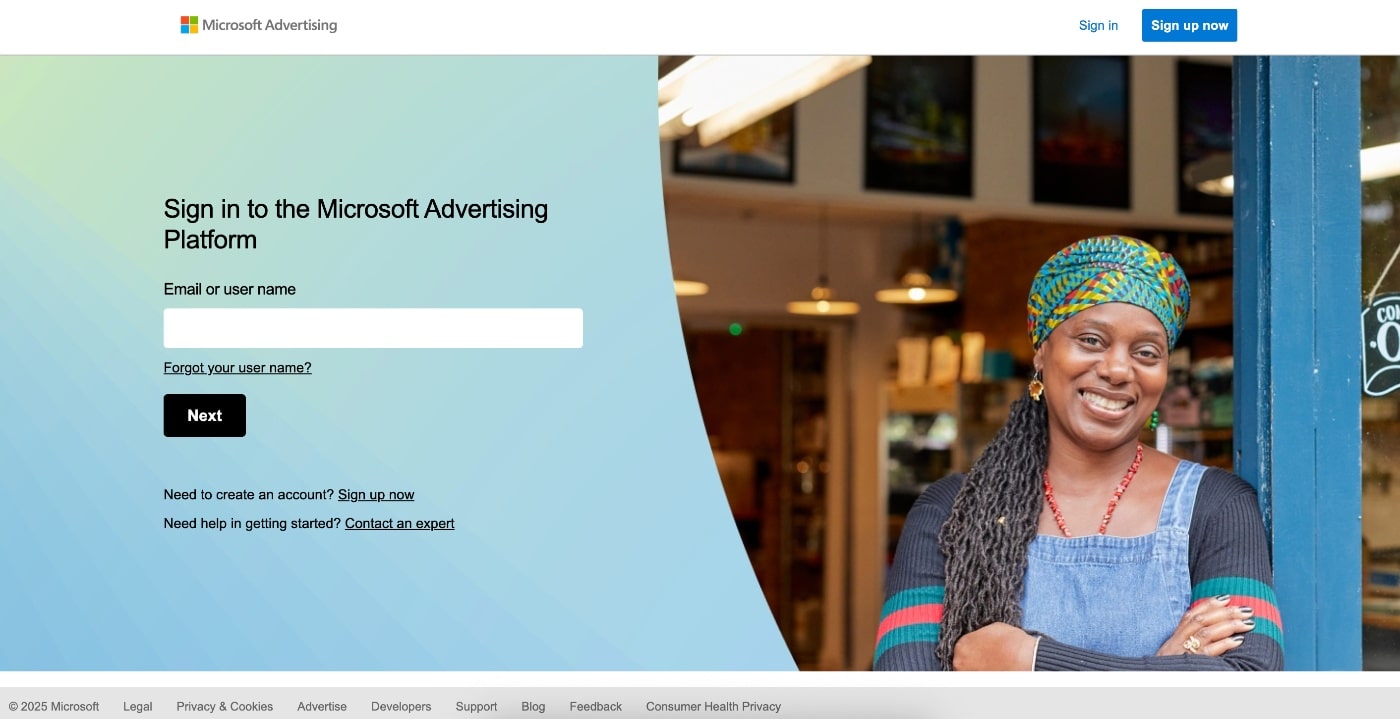
For PPC campaigns, Microsoft Advertising is the closest you’ll get to Google Ads. Its major draw is that it’s cost-effective, with an average CPC of $1.50–$2.80 in the United States. That’s a savings of 30–70% right off the bat. Plus, you’ll reach millions of searchers across Bing, Yahoo, and partner sites. On top of that, Microsoft integrates LinkedIn targeting directly into its ads, meaning that if you’re into B2B marketing, this advertising platform is your playground.
When it comes to demographics, you’ll find older folks with fatter paychecks. Nearly one-third of Bing users earn around $100,000 per year and are more likely to buy advertised products. For agencies running PPC ads in finance, SaaS, and professional services industries, this means you’ll reach decision makers with disposable income.
Now, for the trade-off, Microsoft Ads tend to lag behind Google Ads when it comes to integrations and analytics. So, you may feel limited if you’re already used to Google’s toolset.
2. Amazon Ads
If you sell physical products online, running ads on Amazon is similar to setting up a stall in a busy mall. The numbers speak for themselves—Sponsored Products average just $0.71 to $1.20 per click, far below typical Google Search CPC. That’s a huge cost advantage if you’re fighting for margins.
The real edge here is buyer intent. Unlike most ad platforms, Amazon has a high-intent audience that isn’t just browsing but is already shopping for a product to buy. This means your products show up in strategic areas (like Amazon search results and product pages) where potential customers make their purchase decision. The result? Fewer wasted clicks and more add-to-cart events, leading to more sales.
Bear in mind, though, that Amazon locks you into its ecosystem, which means you’re boosting the marketplace more than your own brand. So, if sales matter more to you than branding, Amazon Ads is the best Google Ads alternative for your ecommerce marketing strategy.
3. Quora Ads
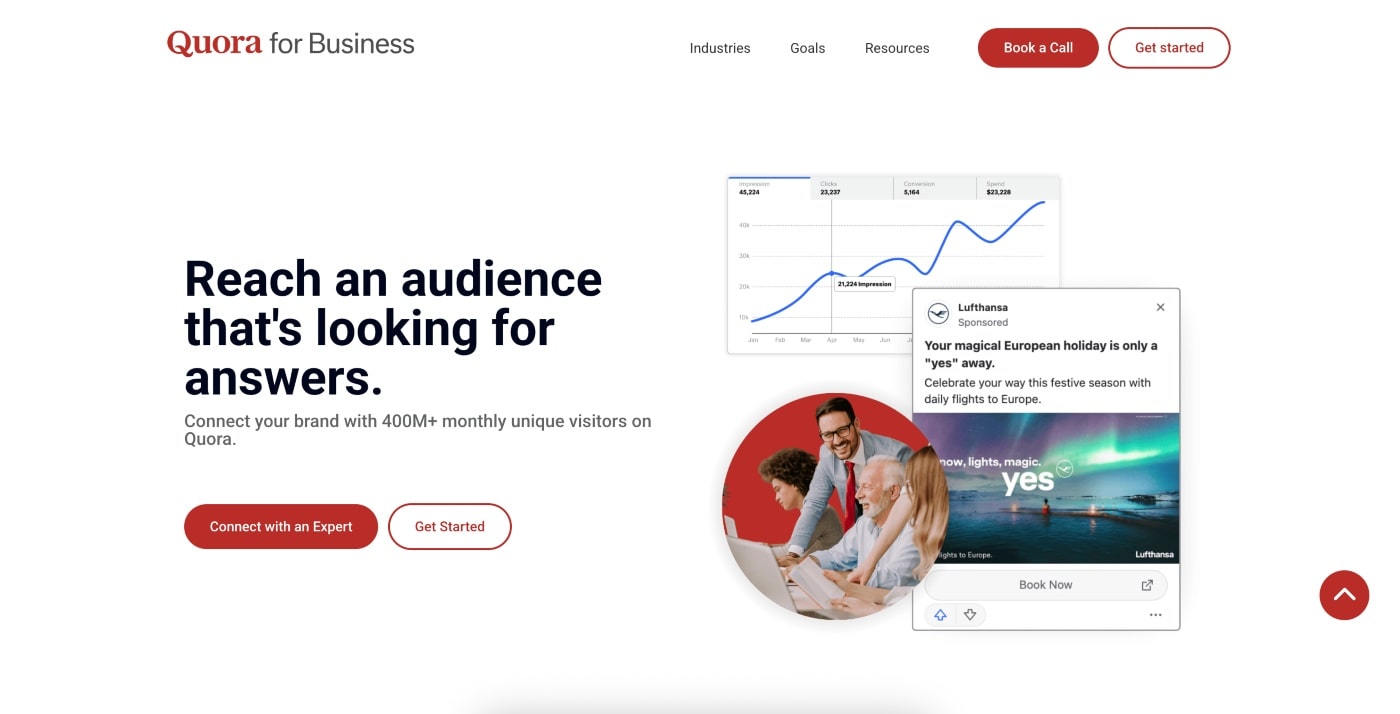
Quora is where people go to ask questions about things that matter to them, making it perfect for intent-driven marketing. Unlike Google, where someone might search vaguely, you can drop ads into specific questions, like “What’s the best ad management software for small businesses?” That way, you’ll get higher returns on ad spend (ROAS) because users are already searching for solutions. Also, the PPC cost tends to be lower since there are fewer advertisers than you’d find on Google. You may even bid as low as $0.01 per click.
Quora leans toward professional, tech-savvy audiences, especially in fields like tech, finance, and education. These people are all knowledge-seekers, making Quora Ads a strong match if you’re promoting high-value products and services instead of impulsive buys.
One major drawback to Quora is that the reach is limited compared to Google Ads, and traffic can be hit-or-miss, depending on the topics you target. Some questions deliver steady engagement, while others barely move. So, if you opt for Quora Ads, start small, measure campaign performance, and scale only in categories where your audience shows real buying intent.
4. Meta Ads
Between Facebook’s 3.07 billion monthly active users and Instagram’s two billion, you’ve got nearly the whole internet hanging out on Meta. The real magic, though, is in the targeting. You can target users by demographics, interests, behaviors, and even custom audiences like website visitors or lookalike audiences. For demand generation and retargeting, Meta is tough to beat.
When it comes to demographics, Meta apps reach basically everyone, but with some nuances. Instagram ads pull in a younger audience (within the 18-24 age range), while Facebook ads reach more of an older, slightly broader crowd. Both platforms make it possible to run campaigns that can scale globally.
The downside, however, is that ads here can quickly get pricey. With so many advertisers competing for market share, CPCs and CPMs can be unpredictable. Plus, ad fatigue rolls in fairly quickly because users scroll fast and see a high volume of Sponsored Content.
5. LinkedIn Ads
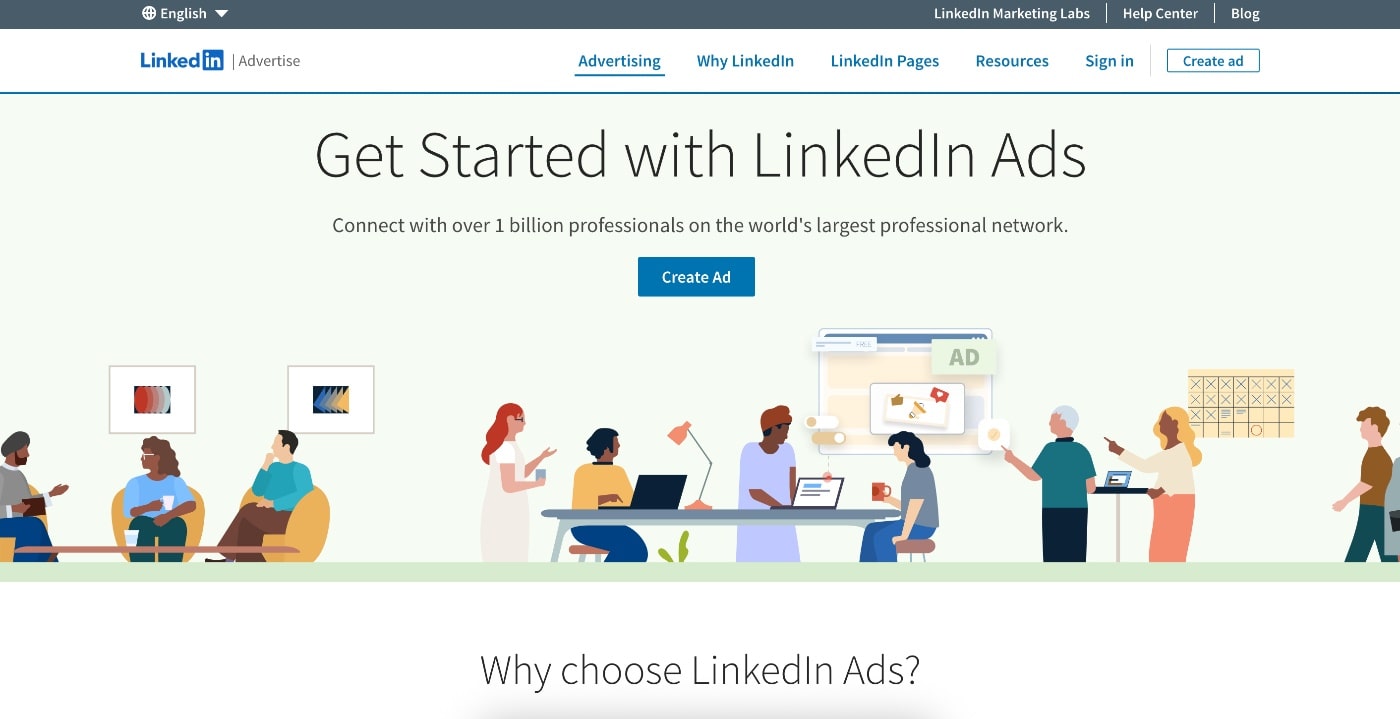
LinkedIn stands out as a solid Google Ads alternative because it allows you to target users by job title, industry, company size, or seniority level—something Google Ads can’t do without advanced workarounds. This precision means you’re not wasting money on broad searches but instead putting your offer directly in front of people who are ready to act.
The platform’s demographic is highly professional. Over 63 million decision makers and 180+ million senior-level influencers are active on LinkedIn. Ads here are especially helpful if your target audience includes business owners, C-level executives, B2B companies, and professionals across industries like tech, finance, and SaaS.
The main drawback, though, is cost. LinkedIn’s average CPC hovers around $3.94, much higher than other Google Ads alternatives on this list. If you’re on a tight budget, this can be tough, but targeting with laser focus helps you cut wasted ad spend.
6. Reddit Ads
Reddit gives you access to niche communities (called Subreddits) you can’t find on Google Ads. Instead of targeting keywords, you can target specific Subreddits where people are actively sharing their perspectives on a wide range of topics. That kind of focus makes your ads feel more natural and less intrusive.
Reddit leans toward younger audiences, with a strong base of tech-savvy millennials. These audiences are opinionated, curious, and deeply engaged in their communities. If you’re into tech, gaming, finance, or lifestyle, Reddit provides an audience that’s already discussing topics directly tied to what you’re selling, and CPC could be as low as $0.50.
However, most Redditors are skeptical of ads. If your messaging feels salesy or out of touch with the community, it’ll likely get ignored or downvoted. The key is to keep your ads relevant and valuable so they blend right into ongoing conversations and boost ecommerce conversion rates.
7. Pinterest Ads
Instead of reaching people who are ready to buy, you’re catching them much earlier in the buying journey when they’re simply browsing for ideas. That’s a sweet spot for both performance marketers and agencies because you’re showing up when shoppers are still open to options.
The audience here is mostly female (around 60%) and includes a big chunk of millennials and Gen Z. People come to Pinterest for lifestyle inspiration in industries like fashion, beauty, food, DIY crafts, and home decor. But Pinterest isn’t just about hobbies. High-income households use it too, which explains why 85% of weekly Pinners have bought something they first saw on Pinterest.
On the flip side, Pinterest only delivers results if your product has a strong visual appeal. It’s a visual advertising platform, so text ads won’t cut it. If you can invest in eye-catching images and creative designs, Pinterest becomes a great way to spark purchase intent before shoppers even make it to Google.
8. TikTok Ads
TikTok ads hit differently because they grab attention in a way Google Ads can’t. You’re not waiting for someone to search for you, but instead you show up right in their feed with short, entertaining clips that look like the organic content they enjoy watching. That makes it really easy to build brand awareness and boost engagement rates.
TikTok has become a discovery engine where people find new products, trends, and life hacks. So, if your business targets trend-driven audiences, you’ll find them here. Roughly 55% of TikTok users are under 30, which makes it a good fit for brands targeting Gen Z shoppers and younger millennials.
The tricky part is conversions. Going viral doesn’t always mean sales. People might love your ad, share it, or comment on it, but not every trend leads to a checkout. To win here, your ads must feel real, creative, and native to TikTok.
9. YouTube Ads
People come to YouTube to learn or be entertained. And sometimes, they also want to find a solution to their problems or research a specific product, which makes YouTube a great alternative to Google Ads. Instead of relying on search engines, your ad slides in naturally when your ideal customer is watching a video. Your video ads can also show up in their feed, and since video tends to be more memorable than text, you’ve got a better shot at making your brand stick.
The audience here is broad, with over 2.5 billion people across every age group logging in monthly. You’ve got Gen Z binge-watching trending videos, millennials following tutorials, Gen X watching reviews, and even Boomers checking out DIY crafts. So, if your ad resonates with a specific customer group, you’re set for PPC success.
But producing quality video content can be costly and time-consuming compared to whipping up a text ad. If your ad is sloppy, users will hit the skip button without a second thought. To make your PPC ads work, focus on brand storytelling and showing value right away.
10. X (Formerly Twitter) Ads
X is all about real-time conversations. You can drop an ad right in the middle of a trending conversation, live event, or cultural moment. That kind of immediacy is something Google Ads just can’t match.
On X, you’ve got professionals, news junkies, sports fans, and meme chasers all in one place, scrolling to see what’s happening now. If you’re promoting an ecommerce site or product that depends on relevance or wants to ride the wave of current events, X is where you want to be.
The challenge you’ll likely face here is that the X feed moves lightning fast. If your ad doesn’t feel natural, it’ll feel like an interruption, or worse, get ignored. The trick is to tie your campaigns to what’s trending. When your ad blends into a conversation, you’ll get the best results.
11. Snapchat Ads
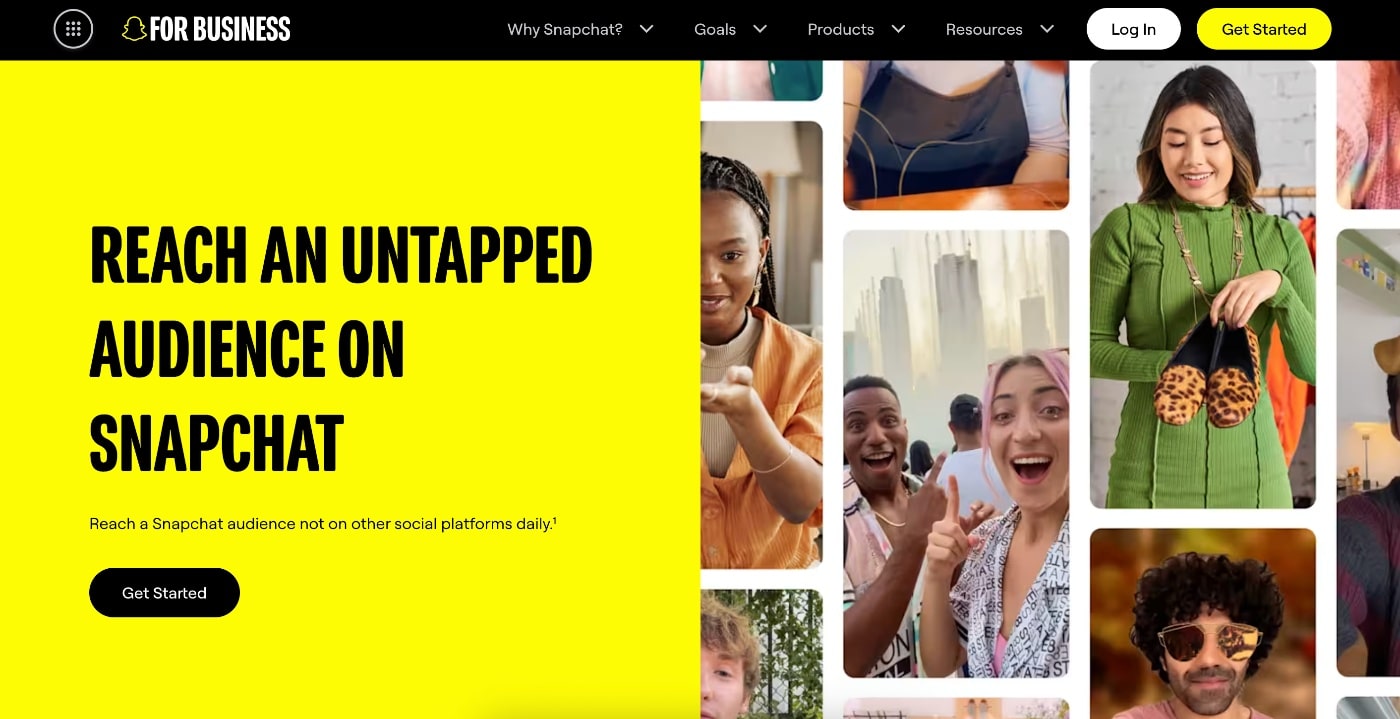
With augmented reality lenses and interactive ad formats, you’re letting Snapchatters have fun with your ads. This means engagement is often higher than what you’d get from static display placements. For small businesses seeking brand awareness without burning ad spend, Snapchat is a serious Google Ads alternative.
Demographically, Snapchat is dominated by Gen Z and younger Millennials. Over 65% of its daily users are under 30, and the platform is especially popular in lifestyle, fashion, beauty, food, and entertainment niches. If your product fits into a category where visuals and trends matter, you’ll find a highly engaged crowd here.
The trade-off is that Snapchat doesn’t offer the same level of targeting as Google Ads. But if your brand thrives on creativity and visual appeal, Snapchat is hard to beat.
Why a Diversified PPC Strategy Needs RedTrack
If you’ve been running ads for a while, you already know that one platform can only take you so far. Google Ads is great, sure, but your clients don’t live on just one search engine or social media app. They scroll through Instagram, search on Google, watch TikToks, check email, and bounce between devices all day.
That’s why advertising agencies like yours run PPC ads on multiple platforms. So instead of just sticking to Google Ads, you’re layering alternatives like Meta, TikTok, and maybe even LinkedIn or YouTube. The more touchpoints you have, the more chances you have to grab attention, drive clicks, and turn prospects into paying customers.
However, omnichannel ecommerce only works if you can see the full customer journey. The problem is, every platform wants to take credit for your sales. If you’re not using the best ad tracking software, you’ll keep guessing which PPC advertising platform actually led to a sale.
Here’s where RedTrack changes the game. This powerful ad tracker pulls all your campaign data into one clean, uncluttered dashboard. With advanced ecommerce attribution and cross-device tracking, you’ll see the customer journey exactly as it happened.
When you know which ads are truly driving results, you can confidently tell your clients the story behind every click. So far, RedTrack is the only ad tracking and automation tool that gives you that clarity.
Why not see for yourself? Book a demo today and take the first step toward smarter PPC campaigns for your advertising agency.


