
Ever felt like you’re nailing your campaigns but still losing customers somewhere along the way? For performance marketers, agencies, and eCom brands, this is a constant frustration. You might be focusing on the wrong improvement levers simply because you’re mixing up two critical strategies – customer lifecycle management and customer journey optimization.
On the surface, they sound similar. In reality, they solve very different problems. Get them confused, and you risk wasting ad spend, misreading data, and leaving revenue on the table.
In this guide, we’ll break down the real difference between lifecycle and journey, when to use each, and how they work together to boost conversions and long-term customer value.
You’ll see why most brands underperform here, and how the right approach (and the right tracking) can turn every stage of the customer experience into a profit driver.
Customer Lifecycle vs Customer Journey – The Difference?
The customer lifecycle represents the complete, ongoing relationship between a customer and business from first awareness to long-term advocacy. It’s basically the big picture view that covers every single stage of how customers interact with your brand, and we’re talking about everything from the moment potential customers first discover what you’re all about through their evolution into those loyal advocates who actively promote your business without you even asking them to.
The customer journey, on the other hand, focuses on specific touchpoints and interactions within particular phases of that lifecycle. Rather than looking at the entire relationship arc (which can span years), customer journey mapping zooms in on those specific experiences that really matter—like the process of making a first purchase, resolving a support issue, or completing an onboarding sequence. It’s about getting into the nitty-gritty details of what actually happens.
Both concepts are absolutely essential for optimizing customer experience, but here’s the thing: they serve completely different strategic purposes. The customer lifecycle gives you that big picture framework you need for long-term relationship building, while customer journeys offer those detailed insights into specific moments that can make or break the customer experience. And trust us, those moments matter more than you might think.
Understanding this distinction helps businesses avoid common confusion and implement targeted improvements where they’ll have the greatest impact. Your marketing and sales teams can use lifecycle thinking for strategic planning while simultaneously optimizing specific customer journeys to remove friction and improve conversion rates. It’s about knowing when to zoom out and when to zoom in, and getting that balance right can transform how your customers experience your brand.
Understanding Customer Lifecycle
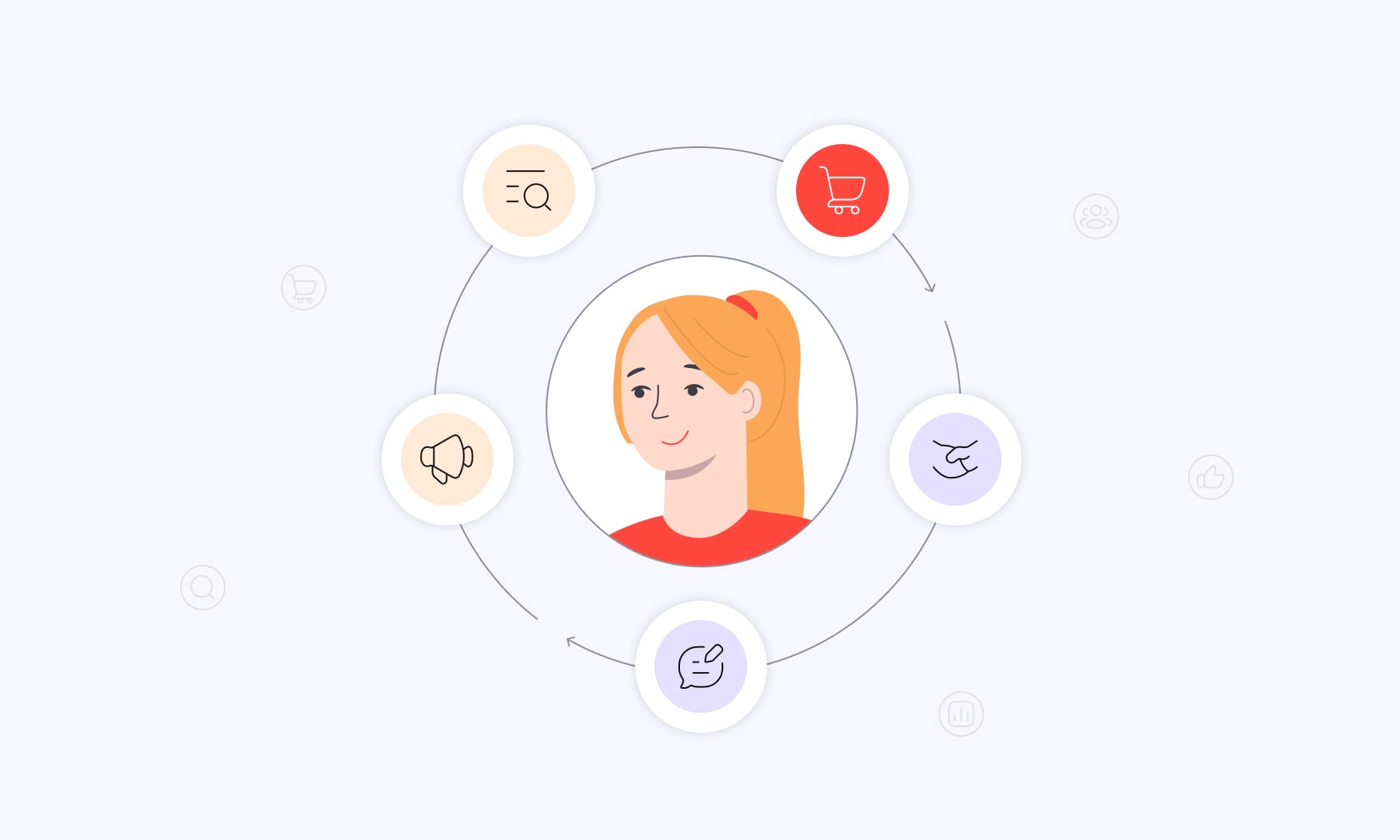
The customer lifecycle isn’t just a marketing buzzword, but the actual journey your buyers take with your brand, from “never heard of you” to “telling everyone about you.” There are five key stages: awareness, consideration, purchase, retention, and advocacy. Each stage is different, and the way you engage in each one can make or break long-term profitability.
1. Awareness – This is the first handshake. People might find you through a Facebook ad, a Google search, a friend’s referral, or a review site. Here, your job is simple: show up, stand out, and look credible enough to earn a second look.
2. Consideration – Now they’re shopping around. They’re checking out competitors, reading reviews, comparing features, and asking, “Is this really the best choice for me?” This is where your content, proof, and positioning need to shine.
3. Purchase – The moment they decide “yes.” They become a customer. But this isn’t the end—it’s just the midpoint. The relationship is only valuable if it lasts.
4. Retention – Keep them engaged, happy, and seeing value. Retained existing customers cost less, spend more, and often become your most profitable segment.
5. Advocacy – The sweet spot. Loyal customers promote you without being asked—through referrals, reviews, and word-of-mouth that no ad budget can buy.
Key Components of Customer Lifecycle Management
Great customer lifecycle management starts with solid data, and not just the easy stuff.
You need to see every click, view, and interaction a customer has with your brand, across every channel.
This isn’t just about collecting numbers; it’s about spotting behavior patterns and uncovering opportunities you’d never find otherwise.
Once you have the data, the magic happens when you personalize your approach for each stage of the journey.
A first-time buyer needs reassurance and guidance, while a long-time customer in the advocacy stage might be ready for exclusive perks or referral incentives.
The more tailored your message, the more likely customers are to stick around, and move to the next stage.
It also takes team alignment to make the whole thing work. Marketing drives awareness and consideration, sales converts at purchase, customer success keeps retention strong, and everyone should have a hand in building advocacy.
When each stage is owned by the right team but powered by shared insights, the customer experience feels seamless.
Finally, this isn’t a “set it and forget it” game. You’ll need to keep optimizing based on real feedback and performance data, conversion rates, customer satisfaction, lifetime value. The better you measure, the better you adapt.
And here’s the kicker: if your tracking is scattered across platforms, all of this gets 10x harder.
That’s why marketers use RedTrack – to centralize tracking, attribution, and performance metrics so every team sees the same truth, and every decision is backed by real, reliable data. Similarly, tools like FreJun help businesses streamline communication and call analytics, ensuring that every customer interaction across the lifecycle is tracked and optimized for better conversions.
Understanding Customer Journey
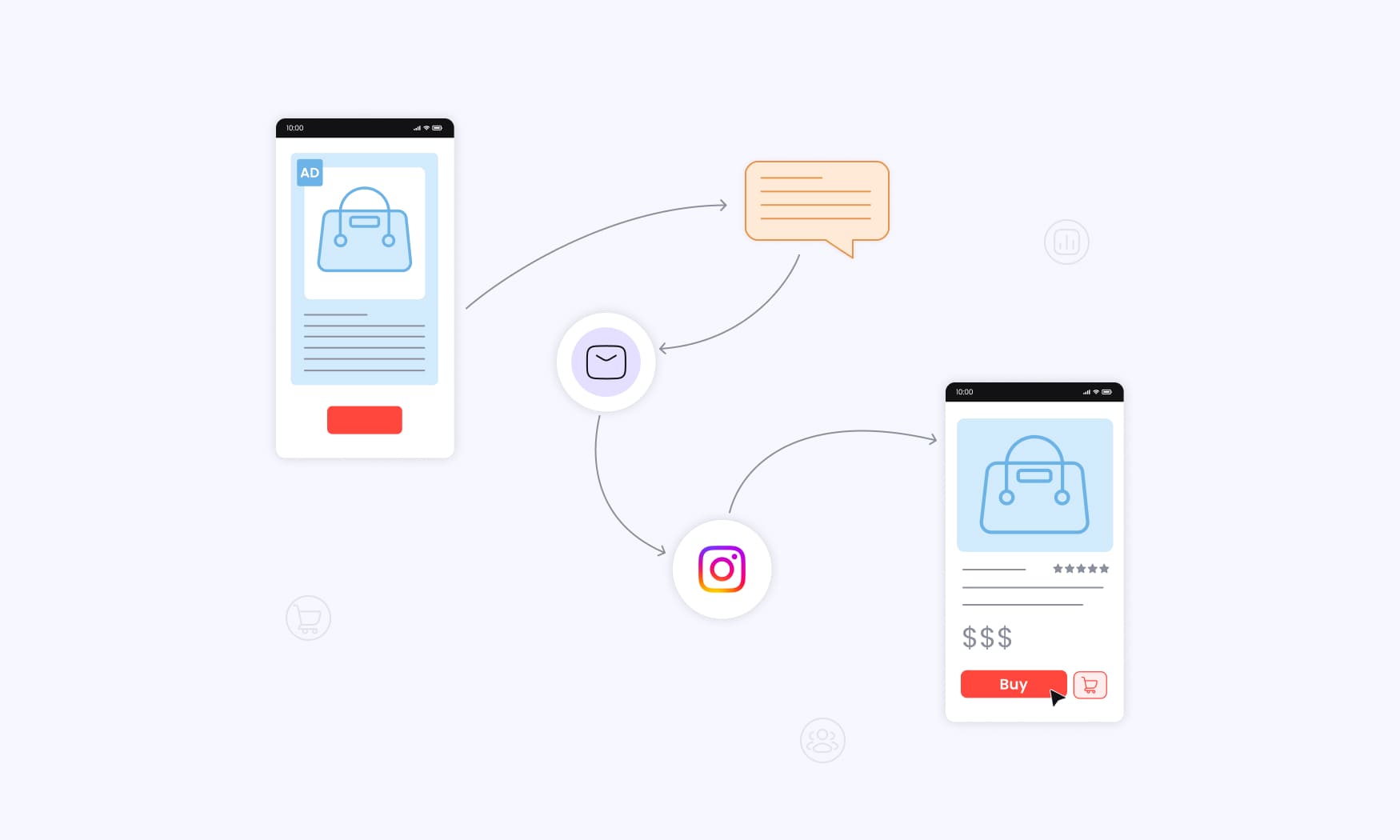
Customer journey mapping is all about zeroing in on the specific pathways your customers actually take when they’re making particular decisions or going through specific interactions with your brand.
The thing is while your customer lifecycle gives you that big-picture strategic framework, customer journeys reveal the nitty-gritty tactical details of how customers truly experience your brand during those crucial moments.
Picture this: you might create a customer journey map that focuses entirely on that first purchase process – tracking everything from the moment someone discovers your product all the way through to hitting that checkout button. Or maybe you’ll map out the customer support experience, documenting every single touchpoint from when they first realize they have a problem through to resolution and those follow-up satisfaction surveys that come after.
Here’s where journey mapping really shines: it reveals those pain points, golden opportunities, and the moments that matter most to your customers. When you document each step your customers take, the emotions they’re feeling, and the obstacles that pop up along the way, you can identify specific areas for improvement that directly impact both customer satisfaction and your conversion rates.
Now, unlike that ongoing customer lifecycle we talked about, customer journeys have clear beginnings and endpoints – and that’s actually what makes them so powerful. Your purchase journey might kick off when someone lands on your website and wrap up when they get that order confirmation email. A support journey starts the moment a customer hits a snag and concludes when their problem gets resolved to their satisfaction.
But here’s what gets really interesting: you can have multiple customer journeys happening within different phases of your customer lifecycle. During the consideration stage, your customers might go through research journeys, comparison journeys, and trial journeys. When you get to the retention stage, they’re experiencing onboarding journeys, feature adoption journeys, and renewal journeys. Each one deserves its own map, because each one has its own unique challenges and opportunities for your business.
Essential Elements of Customer Journey Mapping
Identifying customer goals, motivations, and pain points at each touchpoint is basically the bread and butter of effective journey mapping.
You need to understand what your customers are actually trying to accomplish and what’s standing in their way, because let’s be honest, this is what’s going to help you prioritize where to focus your improvement efforts. And trust us, getting this foundation right makes all the difference.
Documentation of channels, interactions, and emotions throughout the journey creates that comprehensive view of the customer experience that you’re after. We’re talking about every single touchpoint here – from that very first moment when someone becomes aware of your brand all the way through to post-purchase follow-up.
This is exactly where RedTrack shines – by tracking every click, ad impression, and conversion across all channels in one place, so you can see the complete and unbiased journey without piecing data together manually. Check it out for yourself!
The key is capturing both the rational and emotional aspects of what your customers are going through, because emotions drive decisions just as much as logic does.
Analysis of friction points that may prevent customers from progressing is where you’ll find your goldmine of optimization opportunities. You know those common culprits – confusing navigation that makes people want to pull their hair out, lengthy forms that feel like they go on forever, unclear pricing that leaves customers scratching their heads, or inadequate customer support right when people need it most. These friction points are basically roadblocks that are costing you conversions.
Opportunities for improvement and optimization at critical moments are what guide those tactical improvements that can significantly impact your overall customer experience and business results. We’re talking about streamlining checkout processes so they’re smooth as butter, improving product information so customers actually know what they’re buying, or enhancing customer support capabilities when it really counts.
By feeding RedTrack’s accurate data back into your ad platforms, you can ensure your marketing efforts target the right moments in the journey, turning small tweaks into big wins for both customer satisfaction and your bottom line – we can show you how it works!
These improvements might seem small, but they can make a huge impact on both customer satisfaction and your bottom line.
While they sound similar, customer lifecycle and customer journey are two different lenses for looking at your customer experience.
Scope is the biggest difference. The customer lifecycle is the big picture – the entire relationship from the very first time someone hears about you to the point where they’re a loyal advocate (and maybe even beyond). The customer journey, on the other hand, zooms in on specific paths customers take within that relationship, like signing up for a trial or making a first purchase.
Timeline also sets them apart. The lifecycle is ongoing and cyclical. Customers can move between stages, make repeat purchases, and stick around for years. A journey has a clear start and end—there’s a goal, and once it’s completed, that specific journey is done.
Purpose differs, too. Lifecycle management is about the long game – building relationships, maximizing lifetime value, and keeping customers coming back. Journey optimization is about improving the here-and-now, removing roadblocks and making specific interactions smoother.
Metrics follow the purpose. Lifecycle tracking looks at retention rates, advocacy, and lifetime value. Journey measurement focuses on touchpoint satisfaction, conversion rates, and task completion.
Strategy varies by scope. Lifecycle planning is holistic and long-term – it shapes your acquisition vs. retention budget, your customer experience priorities, and your overall relationship-building strategy. Journey mapping is tactical – it targets specific friction points or opportunities in a single process.
When to Use Each
- Use customer lifecycle analysis for strategic planning and big-picture resource allocation.
- Use customer journey mapping to fix specific processes and improve immediate experiences.
- Use both for the best results—lifecycle thinking for your strategy, journeys for your execution.
The magic happens when the two work together. A journey insight (like spotting friction in onboarding) can directly inform your lifecycle retention strategy. Similarly, seeing patterns in advocacy journeys can help fine-tune your referral programs.
Practical Applications and Implementation
Customer lifecycle management is your big-picture playbook. It guides overall strategy, marketing, and retention efforts. Businesses use customer lifecycle stages to segment customers, personalize outreach, and decide where to put time, money, and attention.
Take a SaaS company as an example – they might pour resources into SEO and content to fuel the awareness stage, while also building a rock-solid onboarding program to boost retention. In the advocacy stage, they could roll out a referral program with juicy rewards for customers who bring in friends.
Customer journey optimization, on the other hand, is more about fine-tuning specific interactions. That same SaaS business might map the trial-to-paid journey, figure out exactly where people drop off, and make changes to push conversion rates higher.
The real winners combine both. Dropbox, for instance, uses lifecycle thinking to supercharge its referral program – knowing that happy, engaged customers are the most likely to spread the word – while constantly optimizing key user journeys like file sharing to make everyday use friction-free.
SaaS brands track lifecycle KPIs like MRR and CAC, while mapping micro-journeys like trial activation, feature adoption, and renewals. E-commerce brands do the same – monitoring CLV and repeat purchases while optimizing checkout flows, product discovery, and even returns. Sometimes, fixing the returns process unexpectedly boosts loyalty, proving journey tweaks can lift lifecycle results.
Measuring Success in Both Approaches
Customer Lifecycle metrics tell you how healthy your overall customer relationships are:
- Customer Lifetime Value (CLV) – Total expected revenue from one customer.
- Customer Acquisition Cost (CAC) – How much it costs to win a new customer.
- Retention rates – How well you keep customers over time.
- Net Promoter Score (NPS) – How likely customers are to recommend you.
- Advocacy indicators – Referral rates, reviews, and brand mentions.
Customer Journey metrics zoom in on how well specific experiences perform:
- Conversion rates – From one stage to the next in a journey (e.g., product page → cart).
- Task completion rates – How often customers successfully finish what they came to do.
- Time to completion – How fast customers can achieve their goal.
- Customer effort scores – How easy the process feels.
When you integrate these two views, you see the full picture. A smoother checkout (journey win) might raise repeat purchases (lifecycle win). Lowering effort in support interactions could improve retention.
This is where RedTrack fits in beautifully – by unifying data across every channel and touchpoint, giving you the clarity to see how micro-journey improvements ripple through the entire lifecycle. Instead of guessing, you’ll know exactly which optimizations move the needle on both short-term conversions and long-term profitability. See it in action!
Common Mistakes to Avoid
Treating customer journey and lifecycle as interchangeable concepts? That’s a recipe for unfocused strategies that just won’t hit the mark when it comes to addressing specific needs at different levels. Your teams might end up optimizing individual touchpoints without considering the bigger picture of relationship dynamics, or they’ll develop lifecycle strategies without tackling those pesky tactical friction points that are driving your customers crazy.
Here’s the thing: if you’re focusing only on lifecycle without optimizing specific journeys, you’re missing immediate improvement opportunities that could significantly boost your customer satisfaction and conversion rates.
You might have this sophisticated lifecycle management system that looks great on paper, but you’re still losing customers because of a frustrating checkout process or a confusing onboarding experience that makes people want to pull their hair out.
Mapping customer journeys without considering the broader lifecycle context? You’re limiting your strategic impact big time. Sure, optimizing a single journey might improve your immediate metrics and make you feel good about those numbers, but it’s not going to support your long-term relationship goals or – even worse – it might create conflicts with other lifecycle stages that come back to bite you later.
And here’s where things get really messy: when you neglect to align different teams around both lifecycle stages and journey touchpoints, you end up creating inconsistent customer experiences that leave people scratching their heads. Your marketing teams are focused on awareness and creating all these expectations, but then your onboarding process can’t deliver on those promises. Meanwhile, your customer success teams don’t understand how their day-to-day efforts impact the overall lifecycle progression. It’s like everyone’s speaking a different language.
Failing to connect journey improvements back to lifecycle outcomes? That’s going to hurt your ROI measurement accuracy, and we all know how important those numbers are.
Without understanding how your tactical improvements actually support your strategic goals, it becomes nearly impossible to prioritize initiatives and justify those investments in customer experience optimization to the higher-ups.
Another common mistake that we see all the time involves implementing static approaches that just don’t adapt to changing customer behavior.
Customer expectations evolve super fast, new channels pop up overnight, and buying patterns shift like sand dunes in the desert. Both your lifecycle strategies and journey maps need regular updates based on current customer feedback and behavioral data – otherwise, you’re working with yesterday’s playbook in today’s game.
Organizations sometimes go overboard and create these overly complex journey maps that become so complicated they’re practically impossible to use for actual decision-making. While comprehensive documentation definitely has its place and value, your journey maps should focus on actionable insights that your teams can actually use to make specific improvements. If your team needs a PhD to understand your journey map, you’ve probably missed the mark.
Finally, and this is a big one that many businesses completely underestimate: the importance of cross-functional collaboration required for success with both approaches.
Customer lifecycle management and journey optimization aren’t solo acts – they require serious coordination across marketing, sales, customer success, product, and support teams to deliver those consistent experiences that keep customers coming back for more. It’s all about getting everyone on the same page and rowing in the same direction.
Conclusion – RedTrack’s Role in Your Scale Campaign
Customer lifecycle management and customer journey optimization aren’t competing strategies, but complementary tools for building stronger relationships and better results. The lifecycle gives you the long-term, strategic view: how customers move from first contact to loyal advocacy. The journey zooms in on the details, showing you exactly where and how to improve specific experiences.
The most successful businesses use both together.
They plan strategically based on lifecycle insights, then act tactically by optimizing the key journeys that matter most. The challenge is connecting the dots – making sure your data isn’t siloed, your teams aren’t working in isolation, and your metrics actually reflect reality.
This is exactly where RedTrack delivers. By unifying your tracking across every channel and touchpoint, it gives you both the big-picture lifecycle metrics and the granular journey insights you need.
You’ll see how a single optimization, like smoothing a checkout flow can increase both conversions today and customer lifetime value tomorrow.
Stop working in the dark.
With RedTrack, you’ll know not just where customers are, but where they’ve been, where they’re headed, and how to guide them there profitably.
Start your free trial, or book a demo and let us show you around!


