
Most affiliates and media buyers are glued to those top-level campaign metrics to track customer behavior. But here’s the catch—those numbers barely scratch the surface when it comes to how different groups of customers actually behave after you win them over.
Not all users are created equal. Some stick around, upgrade, and turn into your biggest fans. Others convert once and disappear. If you lump everyone together, you’re just averaging out the truth, and that’s how you end up making decisions based on wishful thinking instead of what’s actually happening.
Customer cohorts bring clarity to this chaos. When you break customers into real, clearly defined groups, suddenly all those hidden patterns (such as user engagement, churn rates, and long-term value) jump out at you. You’ll see exactly which campaigns are bringing in the heavy users and which ones are just quietly burning your budget in the background.
So, what’s the deal with customer cohorts, and why should you care? In this guide, we’ll break down what customer cohorts are, why they matter for performance marketing, and how you can actually use them to drive real, scalable growth.
What Are Customer Cohorts?
Customer cohorts are just groups of people with shared characteristics. Maybe they all signed up on the same day, or maybe they came in from the same campaign. The label doesn’t matter. What matters is you stop treating everyone like a faceless blob and start seeing how different users actually behave.
Picture this: you’re running two campaigns. One’s a high-intent search campaign, the other’s a high-intent social push. At first glance, both look like winners. Click-through rates are solid, and conversions are rolling in.
Fast forward a few weeks, and suddenly the plot twists. Group A sticks around, upgrades to a higher plan, and becomes loyal. Group B fades out after using basic features in the starter plan.
Each customer group is a specific cohort, since they share common characteristics that influence the actions they take.
Why Customer Cohorts Are Important
Looking at your customer base as one big group hides more than it helps. When everything is averaged together, different behaviors start to cancel each other out. For instance, a real retention problem can sit quietly in the background because overall numbers still look acceptable.
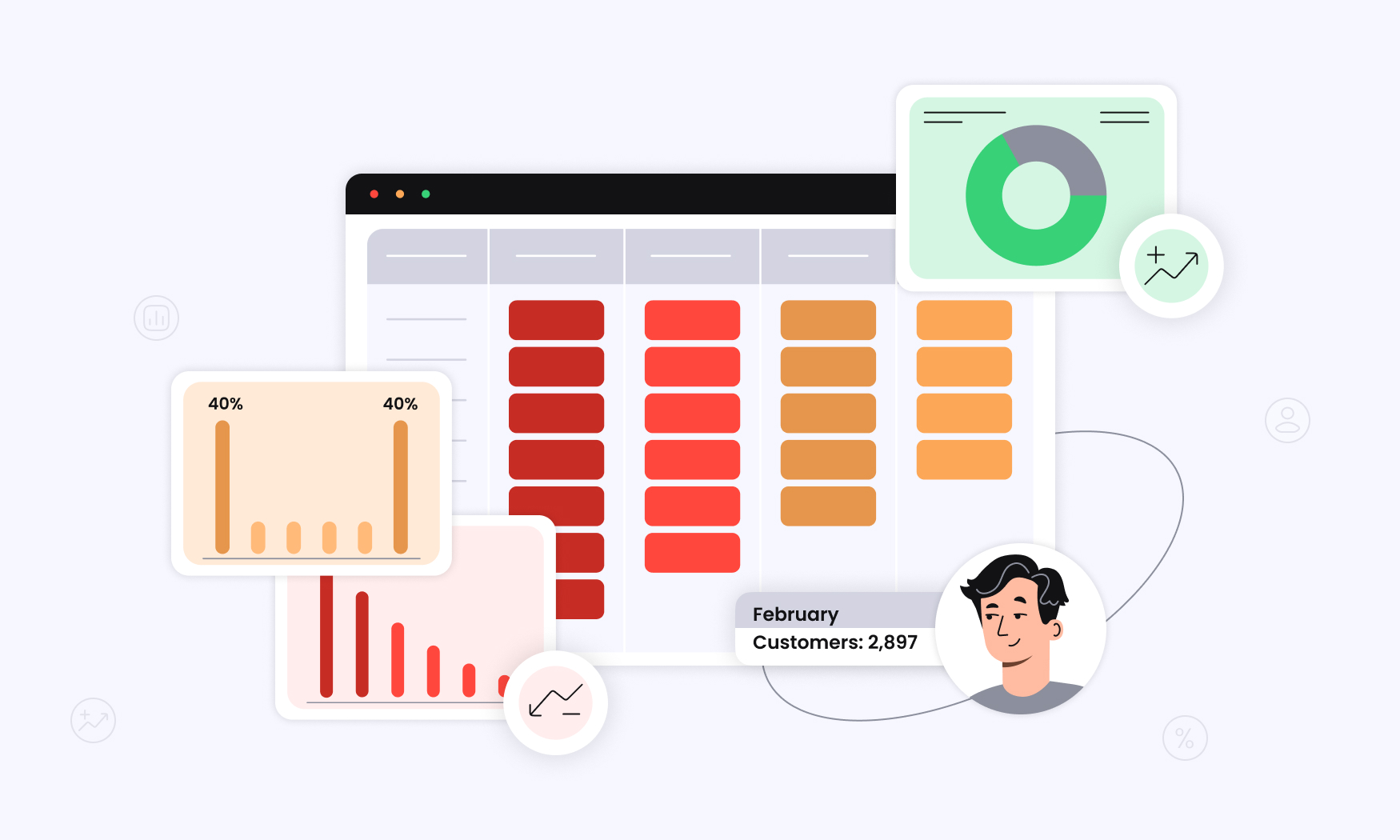
Cohorts force you to face the facts about how different groups actually behave over time. That one shift makes your data brutally honest. Here’s why customer cohorts are a game changer.
They Make Hidden Performance Gaps Obvious
Aggregate metrics reward volume. You can rack up a ton of users in no time and totally miss that most of them churn right after signup. Split your customers into cohorts, and suddenly those gaps are staring you in the face.
You might see one group retaining steadily while another drops off almost immediately. Both were previously blended into the same average. Once separated, it becomes obvious which efforts deserve attention and which ones need to be fixed or cut entirely. This is usually when teams finally get why performance never really improved even though the numbers looked fine.
They Show When and Where Customer Engagement Breaks
Churn isn’t random. Most users drop off at the same pain points. This could be right after onboarding, when they hit a paywall, or once the initial excitement fades. Cohorts make these moments easy to spot.
When you track groups in a specific time period, patterns start repeating. The same drop-off point shows up again and again for the same type of user. That’s useful because it tells you where to focus instead of guessing which part of the journey is broken. Without cohorts, those timing signals are easy to miss.
They Put Customer Lifetime Value Into Context
Some cohorts are quietly driving most of your lifetime value, while others churn before they even pay back what you spent to get them. Cohorts let you see who’s profitable and who’s not.
Acquiring new customers isn’t cheap—it’s at least five times pricier than keeping the ones you’ve got. When you look at cohorts instead of just averages, it’s crystal clear which groups are actually paying you back and which ones are dropping off before they’re worth the spend.
They Explain Why Retention Drives Growth
Retention rates compound over time. Small improvements add up when the right customers stay longer. According to Bain & Company, increasing customer retention by just 5% can boost profits by 25–95%. That kind of impact doesn’t show up in surface-level reports. It only becomes clear when you understand how different cohorts behave after they convert.
Types of Customer Cohorts
Different customer cohorts answer different questions. Some help you understand when things go wrong, while others help you understand why. The trick is knowing what lens to use for the problem at hand.
Below are the different types of customer cohorts that matter to performance marketers.
Lifecycle Stage Cohorts
Lifecycle stage cohorts group customers by where they are in the buyer journey. By stages, we mean:
- new sign-ups who are still pretty confused;
- activated users who’ve gotten over that hump and have started using the product,
- paying customers;
- long-term users who’ve been around forever.
When you look at these groups on their own, it’s way easier to spot where things are falling apart. If tons of users never make it past the first few days, you’re probably dealing with an onboarding or first-use issue. If they bail after paying, it’s a value, pricing, or product-market fit issue.
Lifecycle stage cohort analysis is your go-to move when you want to boost retention rates, because it shows you exactly which phase needs fixing.
Acquisition Cohorts
Acquisition cohorts group users by the campaign, channel, or specific period that brought them in as customers. This cohort matters because it ties acquisition spend to what comes after the first conversion.
But this is also where most campaigns go wrong. One source drives a ton of volume at low cost, so it looks like a winner. Another drives fewer conversions and costs more, so it gets kicked to the curb. When you start tracking those users as an acquisition cohort, you finally see which traffic sources actually bring people who stick around and provide long-term value.
A classic example is search versus social. Search traffic looks pricey at first, but those users keep coming back and upgrading. Social traffic seems like a good deal, but that cohort churns fast. When you compare both side by side, it’s a no-brainer where to invest for real conversions.
Behavioral Cohorts
Behavioral cohorts group users by what they actually do after signing up. Did they finish onboarding? Use a killer feature? Hit a certain engagement milestone? Those are the signals you want to build a cohort around.
Two people can sign up on the same day from the same marketing campaign and have incredibly different first experiences. One explores the product, activates core features, and keeps using them. The other person signs in once and never comes back. With a behavioral cohort, you can separate those two outcomes and understand what influences a specific action.
Maybe you spot that users who try a certain feature in week one are still loyal six months later. That kind of insight can totally reshape your onboarding, shift product priorities, and help you double down on what actually drives retention.
Segment-Based Cohorts
Segment-based cohorts group users by what they have in common—plan type, location, company size, acquisition channel, you name it. Anything that sets one group apart from another works here.
This approach works because different customer segments respond differently to the same product, message, or price. Research from McKinsey & Company shows that businesses using segmentation and personalization drive up to 40% more revenue than those that treat all users alike. That lift comes from relevance. When customers feel like something was built with them in mind, they stay longer and engage more.
Take free versus paid users. Free users might churn in a flash unless they hit a certain usage milestone. Paid users might stick around longer, but then churn later if pricing or value doesn’t match their expectations. When you segment cohorts like this, you can fine-tune your messaging, offers, and support so everyone gets what actually matters to them.
How to Use Customer Cohort Analysis for Strategy Development
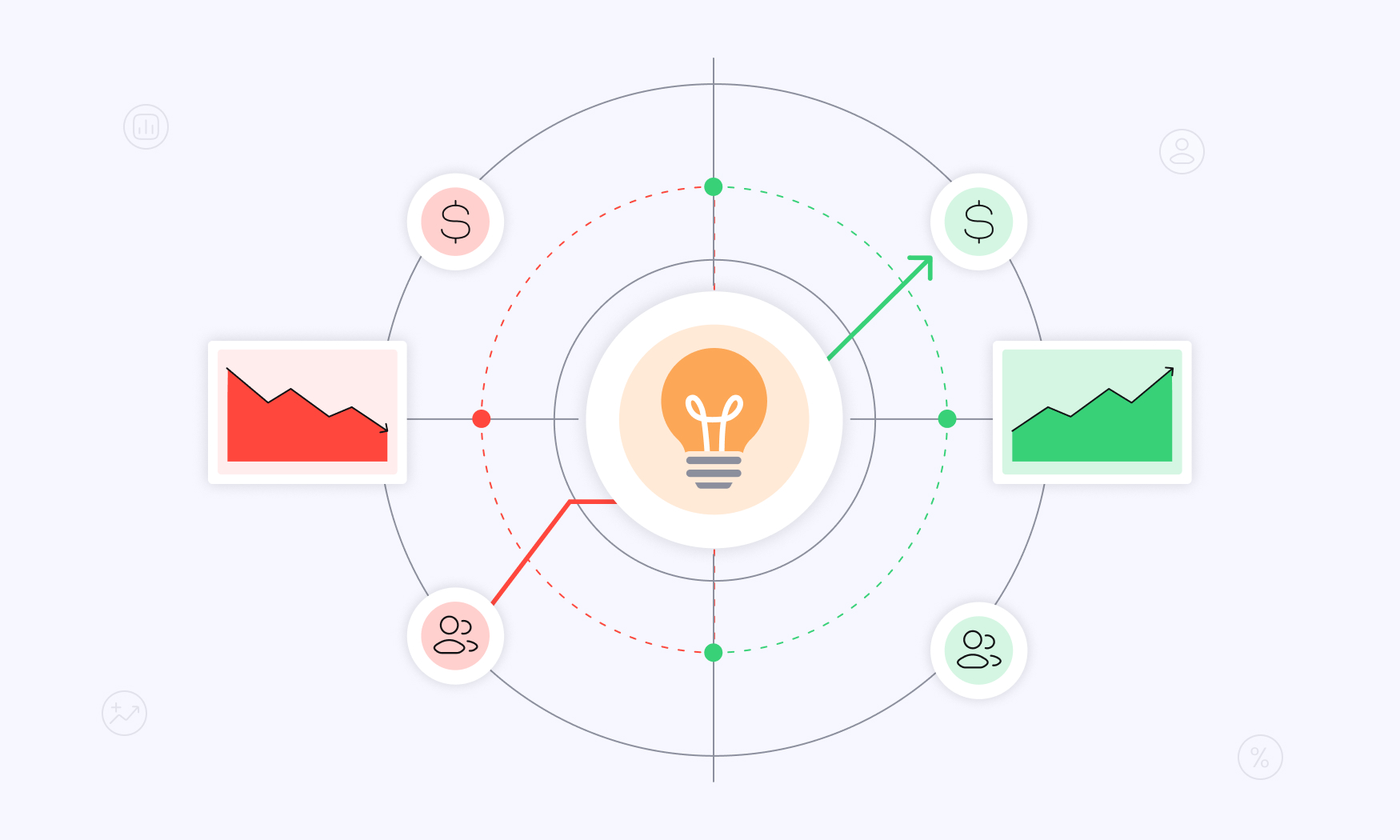
Once you start looking at customers in cohorts, you’re finally reacting to patterns you can actually see, not just gut feelings. Here’s how to put cohort analysis to work in your business strategy.
Improving Customer Retention
Retention becomes much easier to work on when you can see where people fall off. Instead of staring at a churn rate, you notice that a specific group drops after week two, or right after they use a certain feature. And these insights change how you tackle the problem.
Maybe your onboarding feels solid overall, but then you realize one cohort is totally lost. Or users stay active until they smack into a limit you never explained. When you know exactly where in the customer journey people drop off, you can zero in and actually fix it.
Personalizing the Customer Experience
Cohort analysis also makes it obvious that not everyone needs the same experience. Some users move fast and want advanced features early. Others need a little hand-holding before they’re ready to dive in.
Group users by behavior or timing, and you’ll start seeing the same patterns pop up. You’ll know which messages actually appeal to each cohort and which prompts get ignored. Customer cohort data lets you tweak onboarding, emails, and offers so they fit how people really act, not just how you wish they would.
Enhancing Customer Support
When it comes to customer support, some cohorts ask several questions. Others struggle silently until they stop using your product. Without cohort analysis, those users blend into the background.
Customer cohort analysis shows you which user groups tend to need help early. Then, you can step in before frustration leads to churn. That might mean proactive guidance, clearer documentation, or just faster follow-up for high-risk cohorts. Over time, support stops reacting to problems and starts preventing them.
Optimizing Marketing Campaigns
Cohort analysis changes how marketing success is judged. Instead of celebrating cheap conversions, you follow users long enough to see who actually sticks around. Some marketing channels bring volume, while others bring lifetime value.
Once you see that difference, budget decisions get easier. You invest more in channels that bring long-term users and pull back from those that churn fast. That way, your marketing efforts start supporting sustainable growth.
Guiding Product Decisions
Customer cohort analysis is one of the easiest ways to sanity-check product decisions. Instead of relying on opinions or isolated feedback, you can see how different groups actually react to changes. One cohort might adopt a new feature quickly, while another ignores it completely. That contrast tells you more than a roadmap meeting ever will.
It also helps you avoid false positives. A feature might look successful because overall usage went up, but cohort data can show that only new users are engaging with it, while existing users don’t care. That kind of insight helps product teams decide what to double down on, what to refine, and what to phase out.
Forecasting Revenue and Growth More Accurately
Cohorts make growth easier to predict because they show how revenue grows. When you know how past cohorts behaved, you can estimate how new ones are likely to perform. That makes forecasting feel grounded instead of hopeful.
This is especially useful for SaaS companies with subscription and repeat-purchase models. You can see how long it usually takes for a cohort to upgrade, how stable revenue is after a certain point, and where growth tends to plateau. Once you understand those patterns, you can confidently forecast revenue and set realistic targets.
Conclusion – Turn Customer Cohort Insights Into Action with RedTrack
By now, the pattern should be clear: When you stop relying on averages and start looking at how real groups behave over time, decisions get easier. Your customer retention efforts become more focused, and campaign optimization drives predictable growth. Also, product and marketing teams finally start reacting to the same signals.
However, the hard part isn’t knowing what to look for. It’s doing it with data you can actually trust and a reliable setup that doesn’t fall apart. And that’s exactly where RedTrack excels. It brings ad tracking, marketing attribution, cost data, and user behavior into one place, showing you how users move from first click to long-term value across multiple channels.
For performance marketers and growth teams, RedTrack is the only campaign management solution you need if you care about long-term users, predictable revenue, and hassle-free scaling. RedTrack makes cohort analysis practical and turns insights into decisions you can actually act on.Ready to see RedTrack’s customer cohort analysis in action? Sign up for a 14-day free trial and start tracking real customer behavior.


