
Running ads without the right analytics is like pouring water into a leaky bucket – you keep spending, but you’re never sure what’s actually working. The truth is, every successful marketer, whether they’re an affiliate, eCom brand, or agency, has one thing in common: a reliable way to track and understand their numbers.
The challenge? There are dozens of digital marketing analytics and marketing analytics tools out there, each promising better tracking, smarter insights, and higher ROI.
But not every platform fits every business.
The “best” tool for you depends on how you run your marketing campaigns, the channels you use, and the decisions you need to make every day.
In this guide, we’ve reviewed the top marketing analytics tools on the market, breaking down what each one does best, who it’s for, and where it falls short, so you can choose the one that actually helps you grow.
1. RedTrack – Best Marketing Analytics Software For Performance Marketers
Putting ourselves first?! Really?! Give us a chance – we’ll explain!
If you’re a performance marketer, you know the pain: ad platforms reporting different numbers, missing conversions after iOS updates, paying for clicks that never turn into sales, or wasting hours jumping between dashboards just to figure out if your campaign is actually working.
That’s the reality most marketers live in and it’s why so many are flying blind with their budget.
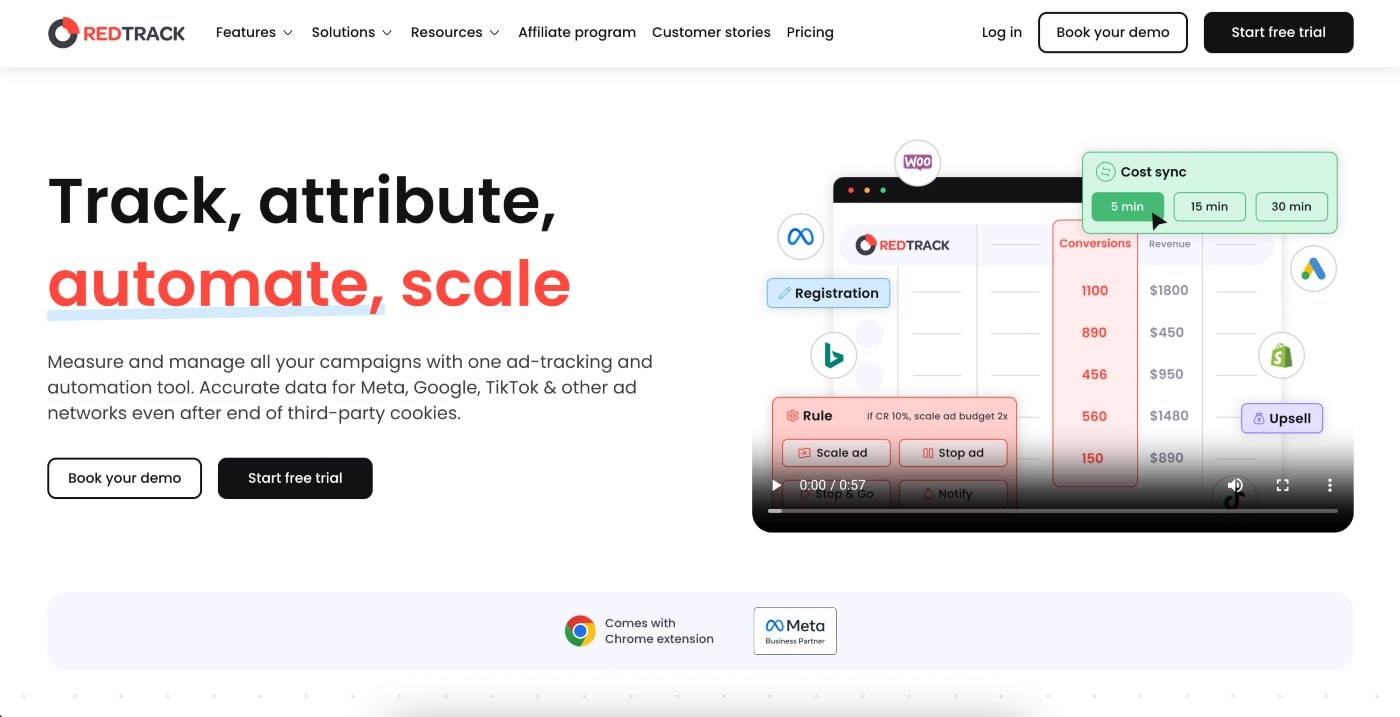
RedTrack was built to fix exactly that. It gives you one source of truth for all your marketing, paid ads, organic, email, influencer campaigns, partnerships, so you can finally see the full customer journey instead of guessing.
No more going back and forth between Facebook, Google and others. With first-party tracking, server-to-server integrations, and deep Conversion API connections to Meta, TikTok, Google, and 200+ other platforms, RedTrack keeps your attribution accurate even in a privacy-first world.
And it’s not just about tracking, because having the data is only half the battle. RedTrack helps you act on it in real time: pausing ads that are burning cash, scaling winners, and updating costs automatically every five minutes so you’re always working with fresh numbers.
Whether you’re an affiliate trying to squeeze every cent of profit, an eCom brand protecting your ROAS, or an agency accountable to multiple clients, RedTrack eliminates the guesswork. No hosting headaches, no clunky spreadsheets, no stitching together half-broken reports. Just clear, actionable insights you can trust.
At the end of the day, it’s simple: the marketers who win are the ones who know exactly what’s working and what’s not. RedTrack makes sure that’s you.
Don’t take our word for it – Book a demo or try it for yourself!
2. Google Analytics 4
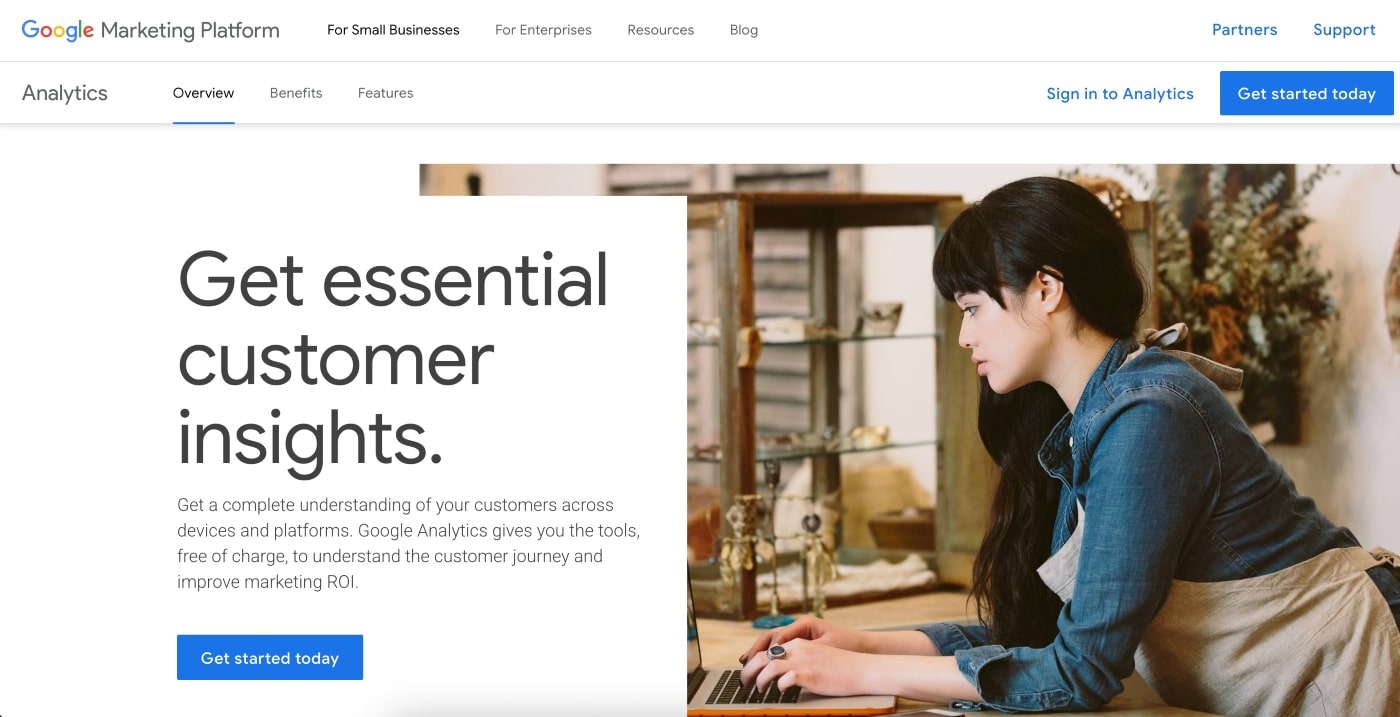
Google Analytics 4 is Google’s latest marketing analytics platform, and it’s designed to tackle marketing efforts that’s been keeping marketers up at night: tracking users across websites, apps, and all those digital touchpoints where your customers actually hang out.
GA4 basically throws Universal Analytics out the window and brings in a more privacy-focused, event-based approach that doesn’t make you rely solely on cookies (thank goodness, right?).
It’s free, which is always music to any marketer’s ears, and it plays nice with other Google tools like Google Ads, BigQuery, and Google Data Studio.
Why does GA4 make this list? Simple – it’s accessible to everyone, it’s industry standard, packs some seriously powerful reporting capabilities, and has become the go-to marketing analytics tool that businesses of all sizes can’t ignore.
Pros (for performance media buyers, ecommerce, and agencies):
- Free and widely supported – Straight out of box, powerful analytics capabilities without spending a dime, which means whether you’re a scrappy startup or an established business, you’re on equal footing. And that’s pretty amazing when you think about it.
- Event-based tracking model – This is where things get interesting. You’ve got this flexible tracking system that can measure literally any action as an event, and that opens up a whole world of behavioral insights that you probably didn’t even know you needed.
- Native Google Ads integration – The connection with Google Ads is seamless, and we mean seamless. Campaign performance tracking and remarketing audiences? It all just works together like pieces of a well-oiled machine.
Cons:
- Steep learning curve – Let’s not sugarcoat this one. Transitioning from Universal Analytics to GA4 was like learning a new language, and you’ll need to wrap your head around new concepts, interfaces, and reporting methods. It can be pretty overwhelming at first.
- Limited historical data storage – Here’s something that might catch you off guard: by default, GA4 only keeps user-level data for 14 months unless you extend it. If you’re someone who loves diving into long-term trends and historical analysis, this limitation can really throw a wrench in your plans.
- Sampling and modeling in some reports – When you’re dealing with large datasets, GA4 might start sampling your marketing data, and that means you’re getting less precise insights compared to those dedicated ad tracking tools that give you raw, unsampled reporting. It’s not a deal-breaker, but it’s definitely something to keep in mind.
3. Voluum
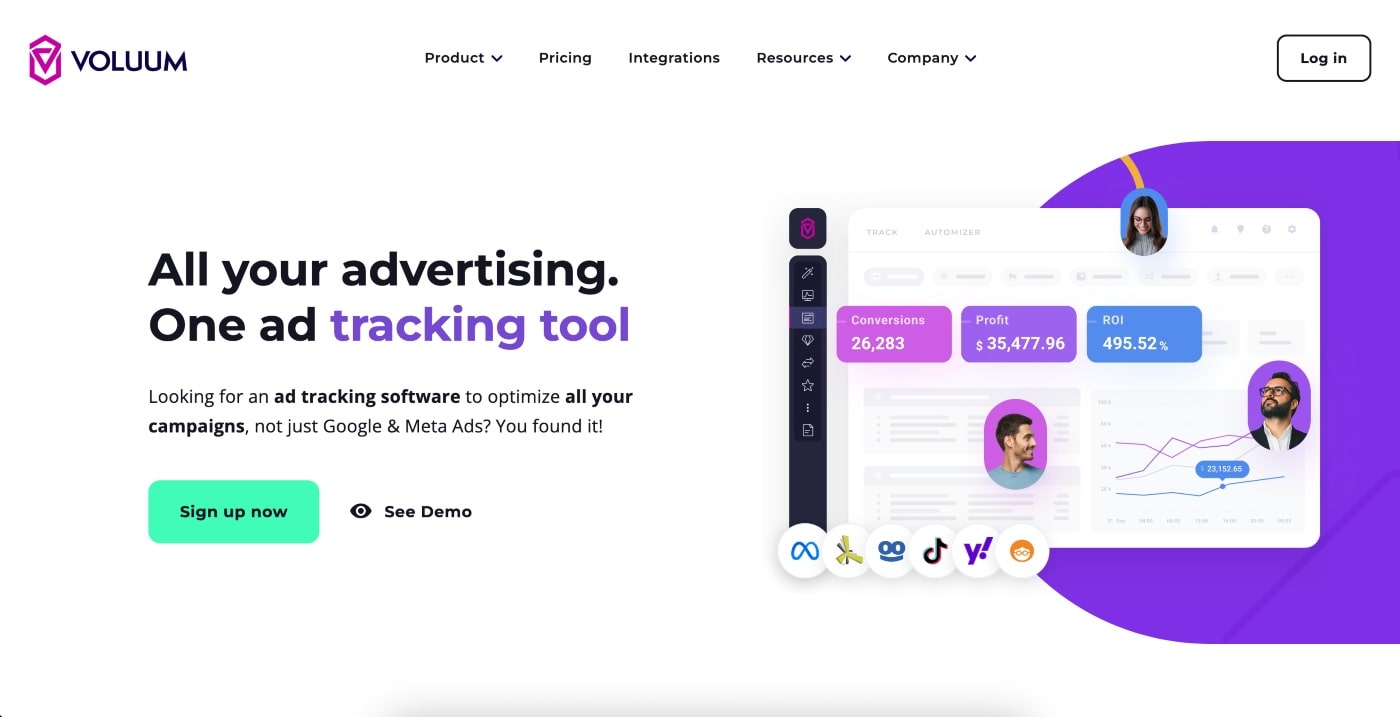
Voluum is a popular cloud-based ad tracking platform and marketing analytics tool that’s basically become the go-to choice for affiliate marketers and media buyers who are juggling campaigns across multiple traffic sources.
Known for its robust tracking capabilities, Voluum enables you to monitor clicks, conversions, and revenue while providing those detailed performance reports that can make or break your campaigns.
It’s often the favorite among affiliates who work in less mainstream advertising marketing channels or need advanced traffic distribution and A/B testing tools that actually deliver results.
Voluum earns a place on this list because of its comprehensive feature set, established market presence, and proven reliability when you’re dealing with complex tracking scenarios that would make other platforms crumble.
Pros (for performance media buyers, affiliates, and agencies):
- Advanced traffic distribution & A/B testing – The built-in AI-driven Traffic Distribution AI is where things get really interesting, allowing you to optimize split-testing of offers and landing pages in ways that can seriously help you maximize your ROI without breaking a sweat.
- Granular reporting capabilities – You can drill down to ad, placement, or keyword level, which means you get that deep performance analysis and precise campaign optimization that separates the pros from the amateurs.
- Cloud-based reliability & speed – No need for you to worry about server maintenance headaches, and you get fast reporting speeds plus a user-friendly interface that you can access from anywhere – whether you’re at your desk or sipping coffee at a café.
Cons:
- Pricing structure can get expensive – Here’s where it gets tricky: costs rise significantly if you’re a high-volume media buyer, and that’s due to limits on ad spend plus those extra fees for advanced features like frequent cost updates that can really add up.
- Fewer native integrations with major ad networks compared to some competitors – You might find yourself dealing with manual setup or needing third-party connectors for seamless API-based ad management, which isn’t exactly the smooth sailing you’d want.
- Feature set may feel over-engineered – If you’re a smaller advertiser who doesn’t need complex traffic distribution or multi-layer funnels, all those bells and whistles might feel like overkill for what you’re actually trying to accomplish.
4. Hyros
Hyros is a tracking tool and marketing analytics tool that’s become a bit of a favorite for info businesses, coaches, and agencies running lead-gen campaigns. It’s all about attribution, helping you figure out exactly where your sales are coming from in a post-cookie world.
If you sell high-ticket offers or run complex funnels with lots of touchpoints, Hyros gives you a solid view of the customer journey so you can put your ad dollars where they actually work. It’s on this list because, for certain business models, its tracking depth and attribution modeling are seriously useful.
Pros (for performance media buyers, agencies, and lead-gen pros):
- Strong attribution tracking – Follows the customer across multiple touchpoints so you can see which channels and ads really closed the deal.
- Great fit for high-value funnels – Especially for info products and coaching offers where knowing every click’s role in the sale can make or break ROI.
- Post-cookie ready – Built to work even with today’s privacy rules and tracking challenges, so you’re not flying blind after iOS updates.
Cons:
- Not as versatile for all ad types – If you run big ecom or multi-platform campaigns, it can feel limited compared to all-in-one trackers like RedTrack.
- Light on automation – Hyros reports the marketing data, but it won’t help you act on it with things like automated scaling or pausing underperformers.
- Pricey – Starting around $216/month and going up with tracked revenue, it’s not the cheapest option, especially for smaller marketing teams.
5. AdsBridge
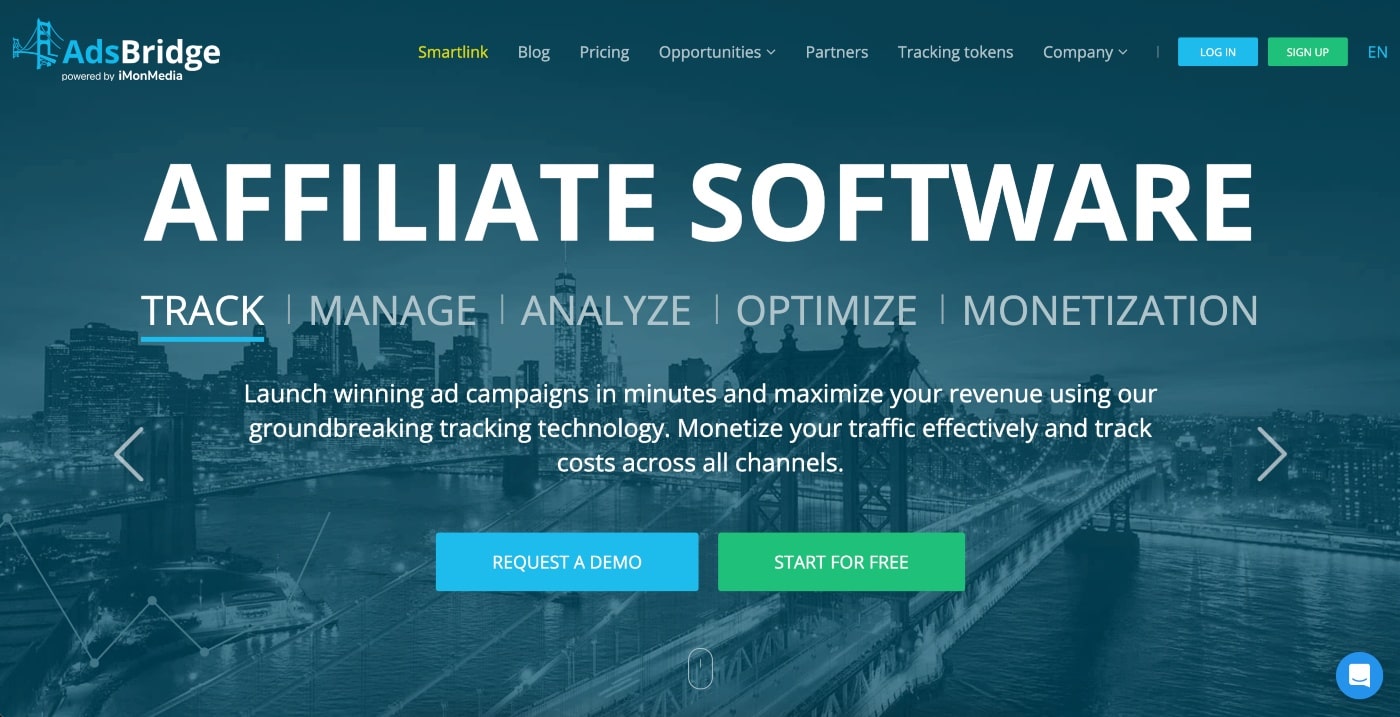
AdsBridge is a cloud-based tracking platform and marketing analytics tool that’s been around for a while, aimed mostly at affiliates and performance marketers who want to manage paid traffic.
It lets you build landing pages, run split tests, and track campaigns from one place. For marketers who like the idea of having a page builder baked into their tracker, AdsBridge is worth a look.
It’s on this list because it combines campaign tracking with basic funnel-building tools, which can be handy if you want an all-in-one starter setup.
Pros (for performance media buyers and affiliates):
- Built-in landing page builder – Saves you from juggling separate tools if you want to spin up quick test pages.
- Multi-channel tracking – Works with most paid traffic sources so you can track offers and optimize campaigns in one place.
- Budget-friendly entry point – Lower-tier plans make it accessible for affiliates just getting into campaign tracking.
Cons:
- Paid-traffic focus – Doesn’t track as broadly as tools like RedTrack, which cover organic, email, partnerships, and referrals.
- Fewer advanced integrations – Lacks the deep CAPI connections to platforms like Meta, TikTok, and Google that make post-iOS tracking more accurate.
- Less granular attribution – Can tell you what’s working, but not always down to the ultra-specific ad or placement level.
6. ClickMagick
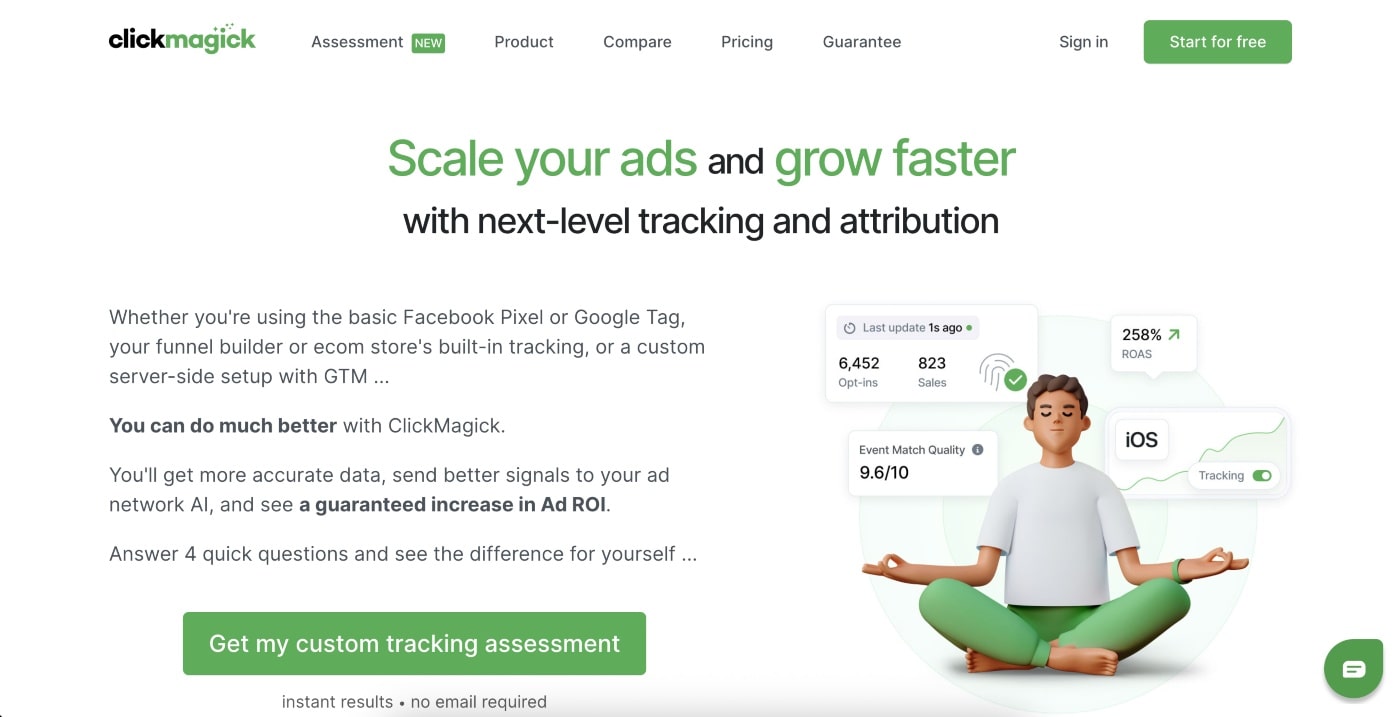
ClickMagick is a long-time favorite among solo marketers, affiliates, and small marketing teams who need straightforward link tracking without a steep learning curve.
It’s lightweight, easy to set up, and gets the basics right: click tracking, link cloaking, split testing, and simple conversion tracking.
If you’re running smaller campaigns or just want a no-frills tracker, ClickMagick can be a solid fit.
It’s on this list because it delivers a lot of tracking power for its simplicity and price point even thought it’s not super versatile like other marketing analytics tools.
Pros (for affiliates, solo media buyers, and smaller ecom brands):
- Super simple to use – Great for beginners who want to start tracking without a week of onboarding.
- Affordable entry plans – Budget-friendly pricing makes it accessible for anyone testing campaigns or running smaller volumes.
- Handy built-in tools – Things like link cloaking, rotators, and split testing are baked right in, no extra software needed.
Cons:
- Not built for large-scale media buying – Lacks the deep automation, cost syncing, and advanced attribution that high-volume buyers need.
- Client-side tracking limitations – Heavier reliance on pixels means more marketing data can be lost with ad blockers and privacy updates.
- Less frequent cost updates – Slower reporting compared to real-time or 5-minute updates from more advanced trackers.
7. Binom
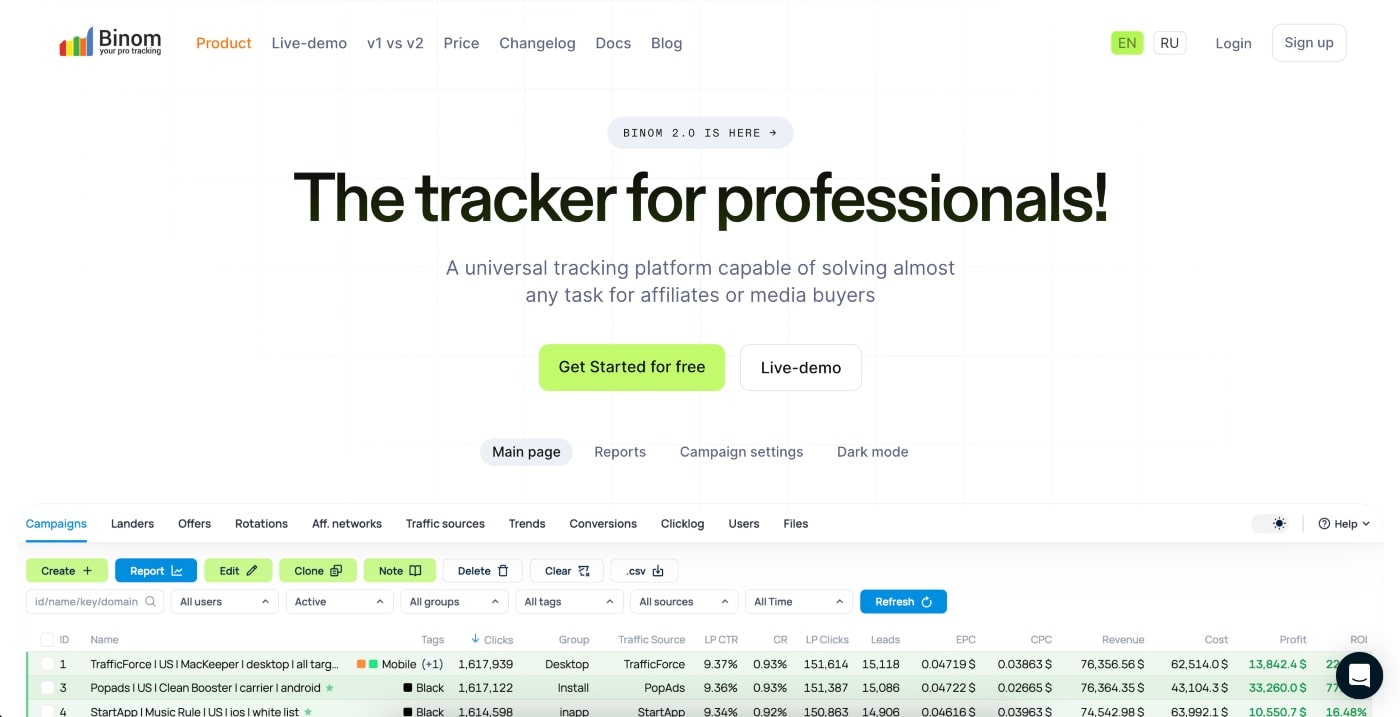
Binom is a self-hosted tracker and marketing analytics tool that’s all about speed and control. You buy the license, host it on your own server, and get blazing-fast redirects with no click limits.
For tech-savvy affiliates who want to avoid recurring SaaS fees and don’t mind rolling up their sleeves for setup, Binom can be a powerhouse.
It’s on this list because it’s one of the most respected self-hosted options, especially for marketers who want complete ownership of their tracking environment.
Pros (for experienced affiliates and technical media buyers):
- Lightning-fast performance – Known for handling millions of clicks without breaking a sweat, which is huge for high-volume campaigns.
- One-time license – Pay once (plus server costs) and avoid monthly subscription fees—can be cost-effective long-term.
- Full control over your marketing data – Self-hosting means you own it, manage it, and aren’t dependent on a third-party’s infrastructure.
Cons:
- Requires server setup & maintenance – If you’re not comfortable with hosting, you’ll either need help or spend time learning.
- No built-in cloud convenience – You lose out on instant updates and zero-maintenance perks of SaaS trackers.
- Fewer native integrations – While it’s flexible, you won’t get the same plug-and-play API connections that modern cloud trackers offer.
8. Improvely
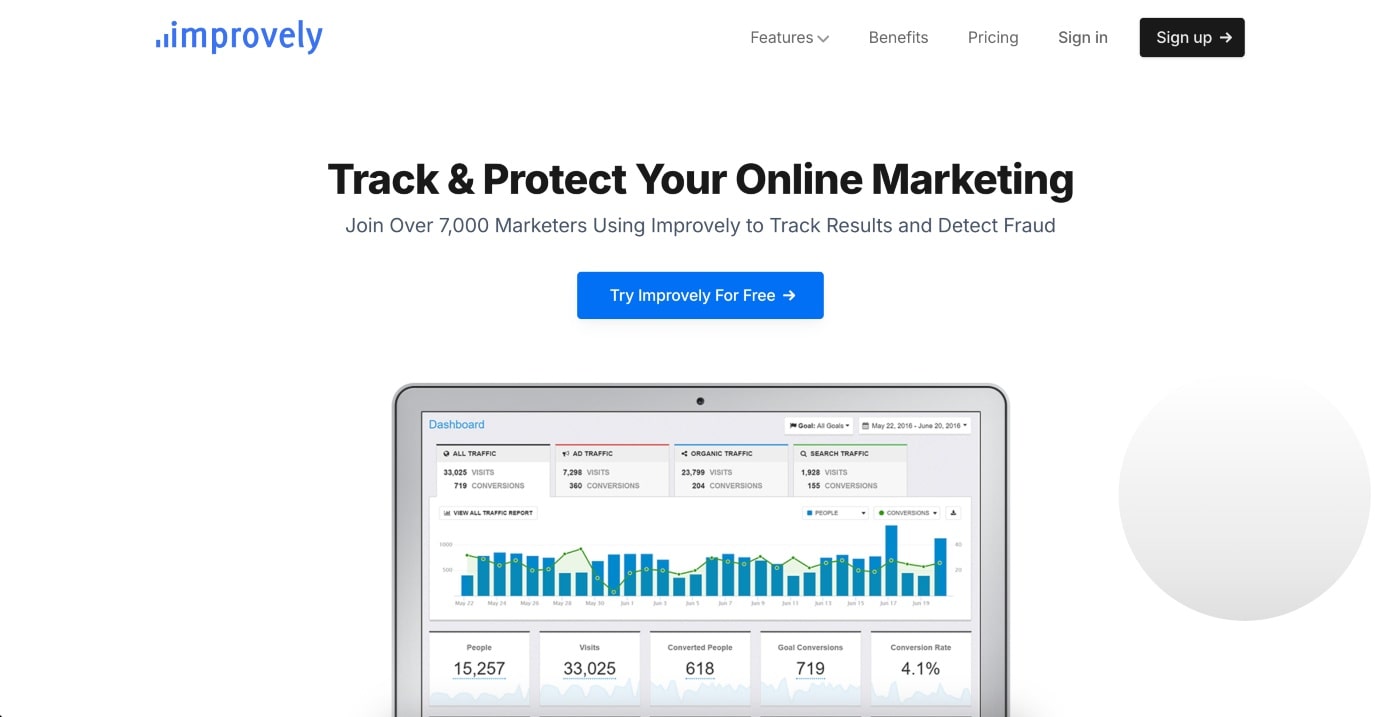
Improvely is all about making your marketing data clear and actionable. It’s built for marketers who want to know exactly where their conversions are coming from, and just as importantly, spot and stop bad traffic before it drains their ad budget.
Whether you’re running your own campaigns or managing them for clients, Improvely wraps together conversion tracking, attribution, and click fraud detection in one neat package.
Agencies especially like it for its white-label reports, making it easy to share performance updates under their own branding. It’s here on the list because it combines the “must-have” tracking features with built-in fraud protection, without a steep learning curve.
Pros (marketers, agencies, and small businesses will love these):
- Clear, actionable conversion tracking – See exactly which channels, ads, and keywords are making you money so you can double down on what works.
- Automatic click fraud detection – Improvely flags suspicious clicks and bot traffic so you can block them and protect your PPC spend.
- Agency-friendly reporting – Share beautiful, white-labeled reports with clients without giving away the fact you’re using a third-party platform.
Cons:
- Not as deep in automation – You’ll get great insights, but it’s not a replacement for advanced rule-based optimization tools.
- Primarily pixel-based tracking – Can still be affected by privacy updates and ad blockers.
- UI feels basic compared to newer platforms – It’s clean, but if you’re used to modern SaaS dashboards, it might feel a bit dated.
9. BeMob
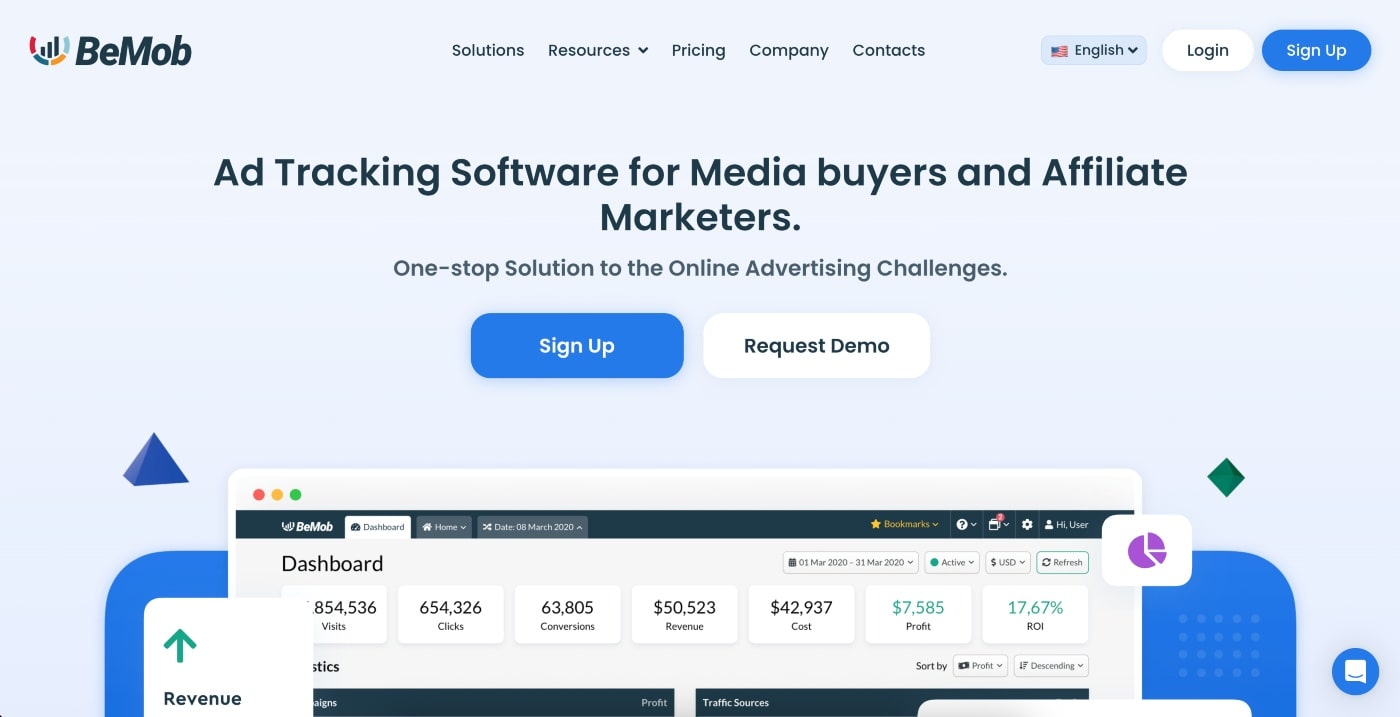
BeMob is a cloud-based ad tracker and marketing analytics tool built for affiliates, media buyers, and agencies who want detailed traffic insights, fraud protection, and campaign optimization without managing their own servers. It’s designed as a “one-stop” tracking solution, helping you track, manage, analyze, and scale campaigns from one dashboard.
With features like direct pixel tracking (no redirect), cookieless tracking, multi-offer and landing page monitoring, plus strong anti-fraud tools, BeMob stands out as a flexible yet user-friendly marketing analytics platform. It’s here on our list because it blends high-end tracking capabilities with a pricing model that even solo affiliates can start with.
Pros (for affiliates, eCom advertisers, and agencies):
- Multiple tracking methods – Track with or without redirects, making it easier to run ads on strict platforms like Facebook and Google Ads without link bans.
- Built-in anti-fraud system – Blocks bots, detects suspicious traffic, and lets you create black/white lists to protect budgets and landing pages.
- Scales with your business – From solo work to full teams, you can use workspaces, multi-user access, and shared reports for smooth collaboration.
Cons:
- Some features still “coming soon” – Advanced automation tools like custom notifications and triggers aren’t fully rolled out yet.
- Not self-hosted – Great for convenience, but you don’t have the same full marketing data control as with self-hosted trackers.
- Interface can feel busy – With so many options, new users might take a bit to find their flow.
10. Wicked Reports
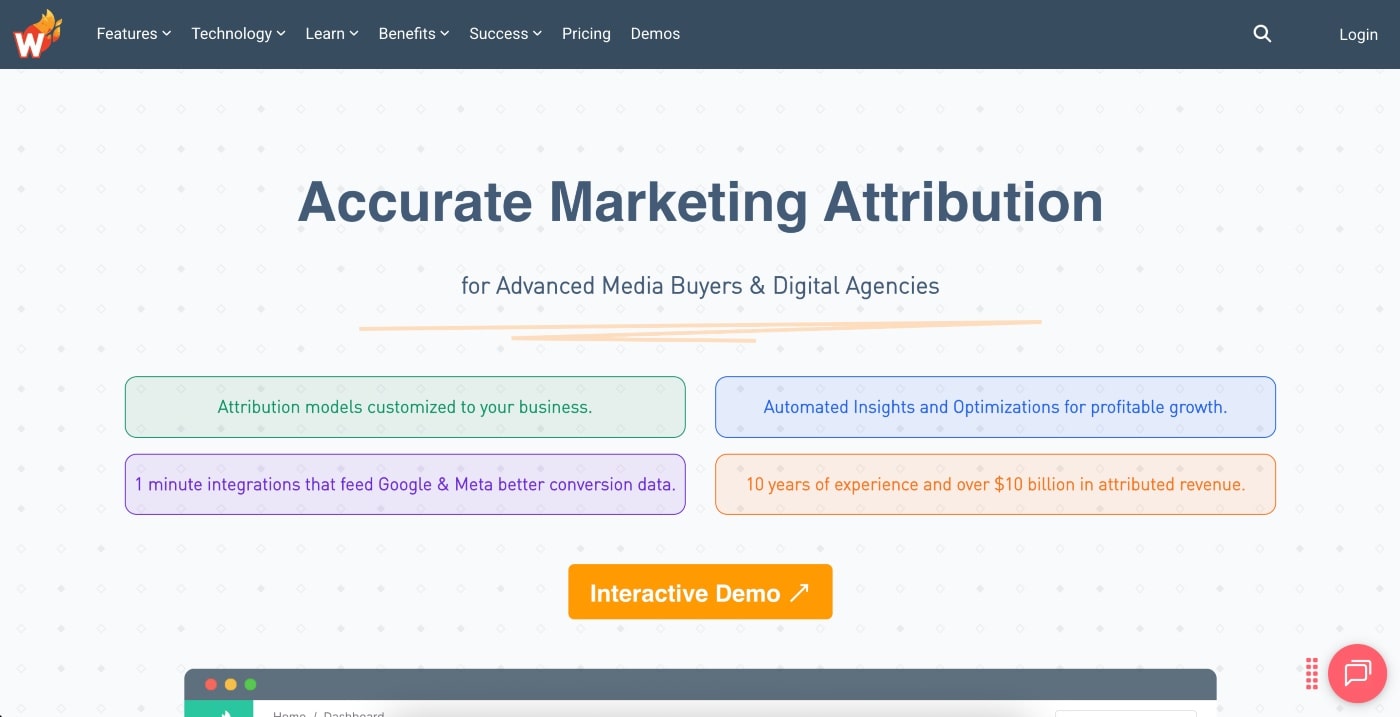
Wicked Reports is a marketing attribution platform and marketing analytics tool built for businesses that want to know exactly which campaigns, channels, and customer touchpoints drive revenue over time. It’s especially popular with agencies, eCommerce brands, and subscription businesses because it goes way beyond last-click attribution.
Wicked Reports collects marketing data from your ads, CRM, email platform, and shopping cart to give you a multi-touch, long-term view of what’s really working. It’s on this list because it delivers deep attribution insights that can completely change how you allocate your marketing budget.
Pros (for agencies, eCom brands, and subscription businesses):
- True multi-touch attribution – Tracks the entire customer journey from first click to repeat purchase, giving you a clearer ROI picture .
- Integrates with major ad and sales platforms – Connects to Facebook Ads, Google Ads, Shopify, WooCommerce, HubSpot, Klaviyo, and more for unified reporting.
- Built for long sales cycles – If your customers take weeks or months to buy, Wicked Reports still attributes revenue accurately back to the original campaigns.
Cons:
- Can be overkill for small, short-funnel businesses – Best suited for brands with multiple channels and longer buying cycles.
- Steeper setup process – To get the most value, you’ll need to connect a lot of different marketing data sources.
- Pricing on the higher side – Tailored for established businesses, not bootstrapped beginners.
11. Triple Whale
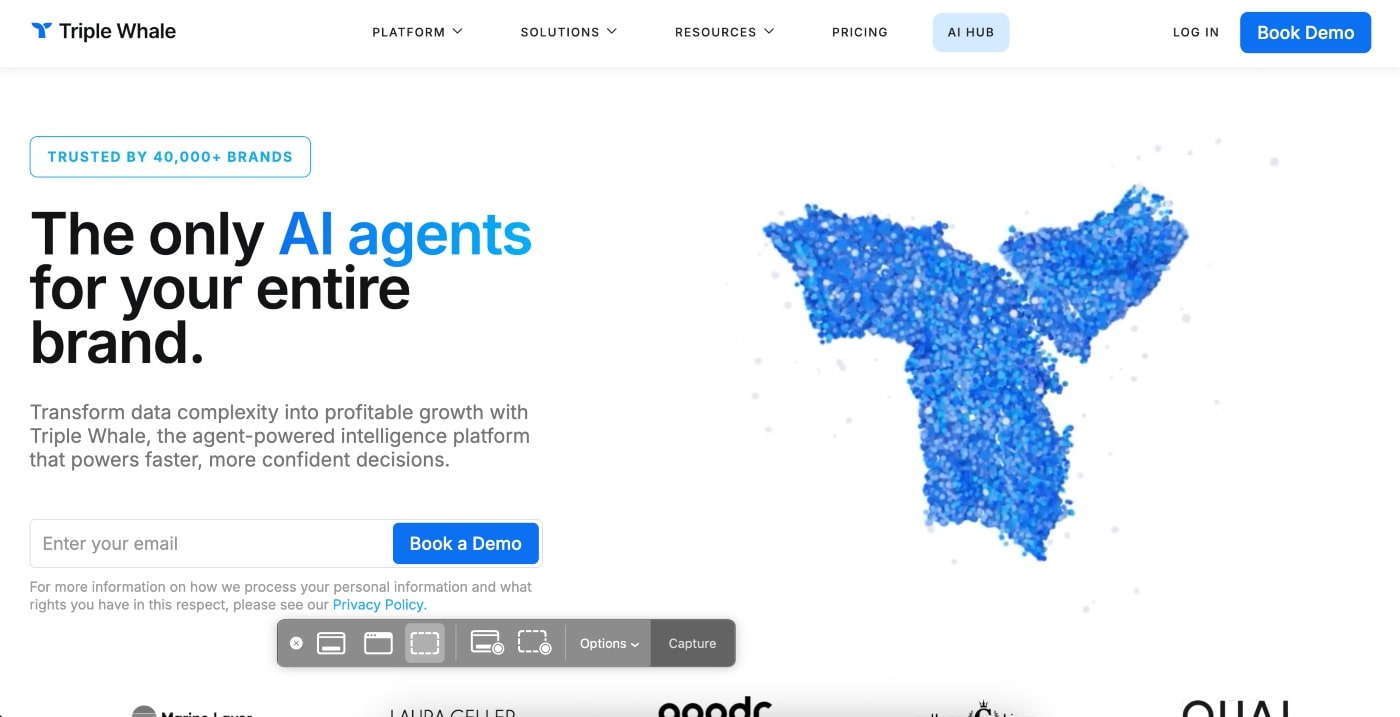
Triple Whale is an eCommerce-focused marketing analytics tool and platform that’s become especially popular with Shopify store owners. It pulls together marketing data from your store, ad platforms, and marketing tools into one clean dashboard, so instead of bouncing between Shopify, Facebook Ads, and Google Analytics, you get all your numbers in one place.
Triple Whale’s strength is giving DTC brands a clear view of their true ROAS across channels, even with post-iOS tracking challenges. It’s on this list because it makes eCom analytics far more accessible and actionable for busy store owners.
Pros (for DTC brands and Shopify sellers):
- Shopify-native experience – Deep Shopify integration makes setup painless and reporting highly relevant for store owners .
- Post-iOS tracking support – Uses server-side and first-party data solutions to keep your ad attribution accurate even after privacy updates.
- Beautiful, simple dashboards – Makes it easy to see your store’s key metrics, ad spend, and profit in real time without getting lost in spreadsheets.
Cons:
- Ecom-focused – If you’re not running an online store (especially Shopify), you’ll miss out on its biggest strengths.
- Limited to supported integrations – Great with Shopify, Facebook, Google Ads, etc., but less flexible if you run niche traffic sources.
- Pricing can add up – Especially if you add premium features like their AI-powered insights tools.
Conclusion – Choosing Right Marketing Analytics Software
Picking the right digital marketing analytics tool isn’t about finding the tool with the longest features list, but about matching the tool to your business model, goals, and workflow.
Here’s how to think about it:
- Start with your end goal. Do you want better ad attribution? Funnel mapping? Conversion API integrations? Fraud detection? Your “must-have” list will shrink the options quickly. For example, an eCommerce brand might prioritize Shopify integration and post-iOS attribution, while an affiliate marketer may care more about multiple traffic source support and fast redirect speeds.
- Match it to your tech stack. Your marketing analytics tool should play nicely with your existing platforms—ads, CRM, store, email, and payment processors. Native integrations save you from juggling spreadsheets or paying for extra middleware like Zapier.
- Consider tracking methods. With privacy changes, relying only on pixel tracking is risky. Look for tools that offer server-side tracking, first-party cookies, or conversion APIs to keep your data accurate even as browsers and platforms tighten rules.
- Automation & usability. Data is only useful if you can act on it. For high-volume media buyers, automation features (like pausing underperforming ads) can save hours and boost ROI. For smaller marketing teams, an intuitive dashboard might matter more than ultra-complex rule systems.
- Scalability & pricing. Make sure the cost structure works for your traffic volume. Some tools are cheap at the start but scale costs aggressively. Others have flat fees but require hosting (like self-hosted trackers).
- Support & learning curve. If you’re new to analytics, responsive support and good onboarding can be worth paying extra for.
We dare to say that RedTrack easily stands out because it’s not just accurate; it’s built for the way performance marketers actually work and execute their marketing strategy.
From paid ads and organic content to influencers and partnerships, RedTrack unifies all your marketing data in one dashboard. It tracks through privacy restrictions, integrates with over 200 platforms, and automates routine campaign optimizations. The result? You get a single, trustworthy view of your marketing performance, and the ability to act on it instantly.
When you can trust your numbers, you can spend smarter, scale faster, and make decisions with confidence. That’s what the right marketing analytics tool delivers, and why, for so many top marketers, that platform is RedTrack.
Book a demo and let us show you around or try it for yourself!


