
When it comes to measuring ad performance, the attribution model you choose can completely change how you see results. The first touch attribution model gives full credit to the very first interaction a customer has with your brand, while the last touch attribution model assigns all the credit to the final step before conversion.
Both approaches are common, but each only shows a small part of the bigger picture. Real buying decisions happen across multiple touchpoints, and ignoring those interactions means you’re not seeing the full customer journey.
In this post, we’ll compare first touch vs last touch attribution, highlight where these models can be useful, and explain where they fall short. That way, you’ll have a clearer view of which model – or combination – makes the most sense for your campaigns.
How First Touch Attribution Model Works
First-touch attribution model gives full credit to the very first interaction a customer has with your brand. That could be a Google search, a Facebook ad, or even an email campaign. The idea is simple: the first click or view that sparks awareness gets all the recognition for the eventual conversion.
Behind the scenes, this model relies on tracking tools like UTM tags, cookies, and server-side data capture. When a conversion happens, the system looks back at the journey and assigns credit to whichever channel kicked things off – whether that’s a Connected TV ad, a LinkedIn campaign, or organic search.
The setup usually pulls data from multiple platforms – think Google Analytics, Facebook Ads Manager, and your CRM – and stitches it into one journey. With the right tracking parameters in place, you can see exactly which channels are best at generating new demand and awareness, even if it takes weeks or months before the final sale happens.
For businesses with long sales cycles (B2B especially), this model highlights the campaigns that start conversations, not just the ones that close deals.
How Last Touch Attribution Model Works
Last-touch attribution model flips the script. Instead of rewarding the first impression, it gives 100% credit to the final interaction before conversion. That could be a retargeting ad, an email click, or even a direct website visit.
It’s the most common attribution model you’ll see out-of-the-box in platforms like Google Analytics. Setup is simple, and the reporting clearly shows which channels drive the final push across the finish line.
The model focuses on bottom-funnel activity (remarketing campaigns, direct traffic, promo emails) the touchpoints that nudge a prospect to take action right now. When someone converts, the system traces back only to that last session and logs it as the conversion driver.
Marketers like this model because it shows what closes deals. It’s straightforward, easy to report on, and doesn’t require complex configuration. But the trade-off is obvious: you miss out on visibility into all the earlier touchpoints that helped build awareness in the first place.
Advantages of First Touch Attribution
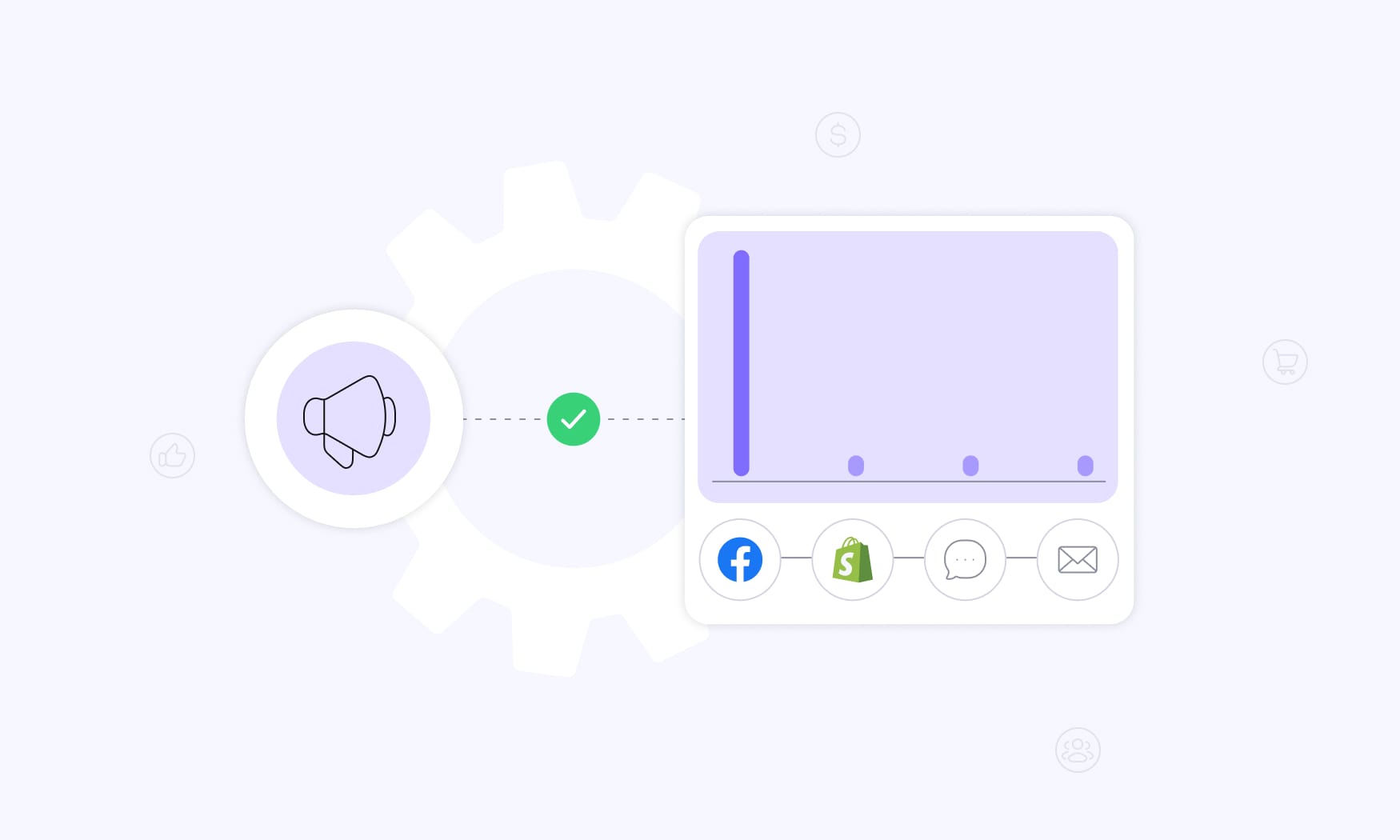
First-touch attribution highlights the power of awareness campaigns that might otherwise get overlooked. Instead of crediting the last step before purchase, this model shows which channels are best at sparking initial interest.
It’s simple to implement – you only need to track the first touchpoint instead of setting up complex multi-channel reporting. For marketing teams, that means clear visibility into which campaigns are driving brand discovery and first interactions.
By surfacing this insight, businesses can see where their most valuable prospects first engage, then reallocate budget toward those high-performing awareness drivers.
Brand Awareness Focus
First-touch attribution is especially useful for top-of-funnel strategy. Channels like TikTok ads, influencer partnerships, and content marketing are all about capturing attention early, and this model makes their impact visible.
For companies launching new products or entering new markets, first-touch attribution provides a data-backed view of which campaigns create the strongest first impressions. That’s critical when brand recognition is the goal.
The best part? By focusing on initial engagement, first-touch attribution supports long-term brand-building efforts. Marketing teams can identify which channels consistently introduce high-value prospects – and scale their awareness strategies with confidence.
Advantages of Last Touch Attribution
Last-touch attribution zeroes in on the final interaction before conversion. Instead of spreading credit across the whole journey, it highlights the channels and tactics that close the deal.
It’s the most accessible model out there – built into tools like Google Analytics and requiring almost no setup. That makes it a go-to choice for teams who want immediate visibility without heavy technical lift.
This model is particularly valuable for bottom-funnel optimization. It shows whether retargeting ads, nurture emails, or direct visits are turning prospects into paying customers.
For marketers under pressure to boost conversion rates, last-touch attribution provides clear, actionable insights into which touchpoints are directly responsible for revenue. It’s a straightforward way to double down on the campaigns that consistently deliver the final push.
Disadvantages of First Touch Attribution
First-touch attribution can be misleading if used alone. By giving full credit to the very first interaction, it undervalues all the nurturing steps that happen later in the journey. Campaigns like remarketing, email sequences, or sales outreach (which often play a decisive role) get ignored.
This creates a real risk: marketing teams may underinvest in middle- and bottom-funnel strategies that are actually critical for conversion.
Another limitation? Google Analytics’ 90-day lookback window. For B2B companies with sales cycles lasting several months or even years, that window often misses the real first interaction, making the model incomplete from the start.
Most importantly, this model oversimplifies complex buying journeys. Modern customers research, compare, and engage across dozens of touchpoints before buying. First-touch attribution skips over that complexity, potentially giving businesses a distorted picture of what’s truly driving revenue.
The bottom line? Relying only on first-touch data can push teams to cut nurturing campaigns that don’t appear profitable – even though they’re quietly responsible for moving prospects down the funnel.
Disadvantages of Last Touch Attribution
Last-touch attribution flips the problem. By only looking at the final interaction before conversion, it undervalues all the awareness-building that happened earlier. Top-funnel campaigns like content marketing, social ads, and PR often get zero credit, despite being essential to generating demand in the first place.
There’s also a measurement gap: only about 4% of users click ads. That means most brand influence happens invisibly in last-touch reporting, leaving big blind spots.
Worse, today’s consumer journey is long. Research shows that people may need up to 50 touchpoints before making a purchase. Last-touch attribution ignores all of that, giving full credit to the final ad click or email open.
This oversimplification often leads to budget misallocation. Brands may cut back on high-performing awareness campaigns simply because the model doesn’t recognize their role in the journey. The result? Teams double down on closing tactics, while starving the campaigns that actually keep the pipeline full.
When to Use First Touch Attribution
First-touch attribution is a smart choice when the goal is understanding what sparks initial awareness.
If you’re a startup trying to break into a market or a company launching a new product, this model helps identify which campaigns actually put your brand on the radar.
For example, you might discover that TikTok ads consistently generate first interactions, while your paid search campaigns tend to capture people later in the funnel. That’s valuable insight when every dollar counts in the early stages.
It’s also ideal for businesses with short, simple sales cycles. If you run an eCommerce store or sell B2C products with fast purchase decisions, the journey from first click to conversion is often direct. In these cases, tracking the first interaction tells you most of what you need to know without the complexity of multi-touch models.
First-touch attribution can also be a lifesaver for small teams with limited resources. Instead of getting lost in sophisticated analytics setups, marketers can use it as a straightforward way to see which channels generate the most valuable leads.
For B2B brands, the model can reveal whether LinkedIn ads, webinars, or industry blogs are producing the highest-quality prospects – even if the final conversion happens months later.
The real takeaway? Use first-touch attribution when you need clarity on which awareness campaigns work and want to optimize the earliest stage of the funnel. It’s a simple but powerful way to make smarter top-funnel investments without overcomplicating your reporting.
When to Use Last Touch Attribution
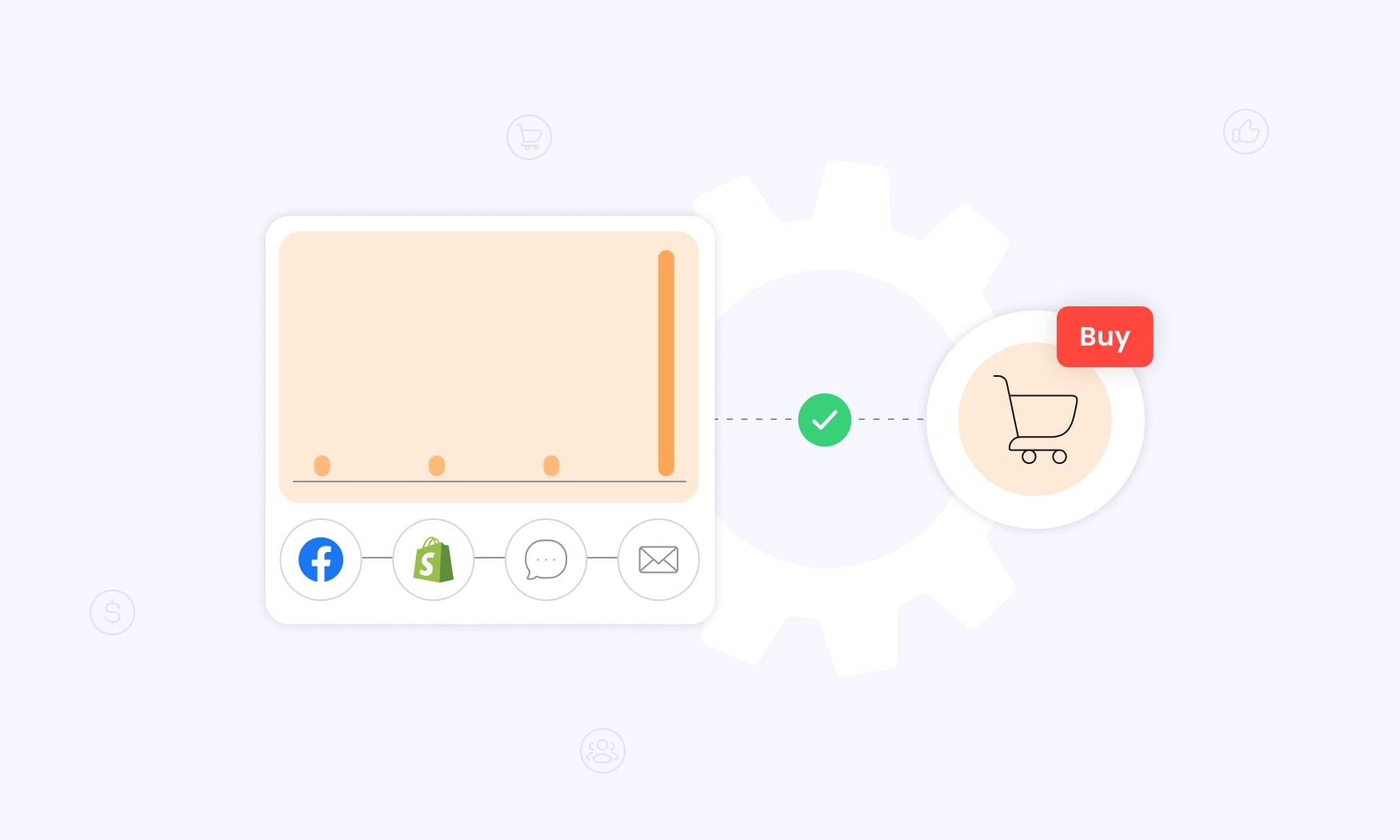
Last-touch attribution is the model to lean on when you want to know which final interactions seal the deal. For many businesses, the challenge isn’t creating awareness – it’s ensuring that prospects actually convert. By assigning credit to the last click or engagement before purchase, this model makes it clear which campaigns are best at driving that final action.
It’s especially useful if you’ve noticed prospects dropping out mid-funnel. Last-touch attribution can show whether retargeting ads, email sequences, or direct site visits are successfully bringing people back to convert. For teams under pressure to improve conversion rates fast, this provides a direct, actionable view of what’s working at the bottom of the funnel.
Another advantage is accessibility.
Most platforms, including Google Analytics, already offer last-touch attribution as a standard model. That makes it a practical option for businesses that don’t have the budget, technical expertise, or time to implement complex attribution frameworks. Even without advanced analytics, you’ll still know which touchpoints close deals.
This model also works well for established brands that already invest heavily in awareness and now want to refine their closing tactics. For example, if your brand advertising is doing its job but conversions lag, last-touch attribution will help pinpoint whether your remarketing campaigns, discount offers, or checkout flows are underperforming.
In short, last-touch attribution is best used when the focus is on optimizing bottom-funnel efforts. It delivers quick, no-frills insights into which channels are driving immediate revenue — making it a practical choice for businesses that need results now.
First Touch vs Last Touch: Key Differences
| Aspect | First Touch Attribution | Last Touch Attribution |
| Focus | Brand discovery and initial engagement | Conversion completion and closing |
| Optimization Target | Top-funnel awareness campaigns | Bottom-funnel conversion tactics |
| Best Use Cases | Awareness campaigns, lead generation | Conversion optimization, sales closing |
| Strategic Value | Long-term brand building | Immediate sales results |
| Credit Assignment | Credit to the first interaction | Credit to the final interaction |
| Measurement Window | Entire customer journey start | Very last interaction only |
| Marketing Channels | Organic search, social media, content | Email marketing, retargeting, direct |
| Business Goals | Customer acquisition and awareness | Revenue generation and conversions |
At their core, the difference between first-touch attribution model and last-touch attribution model is where they place value along the customer journey.
First-touch attribution highlights the moment of brand discovery – the ad, article, or campaign that sparks initial awareness. Last-touch attribution, on the other hand, zeroes in on the final nudge – the interaction that pushes a prospect to finally convert.
This distinction creates two very different perspectives. First-touch attribution helps you understand which top-funnel channels are pulling new audiences into your pipeline. For example, if most of your conversions originated with TikTok ads, that’s a clear sign those campaigns are driving brand discovery. Last-touch attribution, by contrast, focuses on bottom-funnel effectiveness – showing which remarketing ads, nurture emails, or direct visits are consistently sealing the deal.
The choice between these models ultimately comes down to business goals and stage of growth. A company investing in awareness campaigns or lead generation will benefit more from first-touch insights because they reveal where new demand is created.
Meanwhile, businesses prioritizing immediate revenue and conversion optimization will find last-touch more actionable, since it points directly to the tactics that deliver sales.
Neither model is universally “better.” They simply answer different questions: “What brought the customer in?” versus “What closed the sale?”.
Knowing when to use each is the key to making smarter budget decisions.
Real-World Examples of Last Touch and First Touch Attribution Model
A B2B software company used first-touch attribution to optimize LinkedIn spend for lead generation. While last-click data gave most credit to Google Ads, first-touch analysis revealed LinkedIn was driving 40% more qualified leads. By shifting 60% more budget to LinkedIn, they improved overall lead quality by 25% and shortened sales cycles.
An ecommerce retailer applied last-touch attribution to email performance. The model revealed that abandoned cart emails converted 3x better than promotional newsletters. Refocusing on behavior-triggered campaigns increased email-driven revenue by 45%, proving the value of optimizing final touchpoints.
A SaaS company compared both models for trial-to-paid conversions. First-touch showed content marketing attracted the strongest trial users, while last-touch credited email nurture sequences for paid upgrades. Using both perspectives, they optimized acquisition and conversion strategies simultaneously, improving funnel performance across the board.
Even Connected TV campaigns benefit from attribution analysis. One consumer goods company used first-touch measurement to prove CTV drove 35% of initial brand discovery – insights invisible in last-click reports. This allowed them to justify further investment in awareness campaigns that fueled long-term growth.
Choosing Between Last Touch Attribution Model and First Touch Attribution Model
Deciding on the right marketing attribution model starts with a clear look at your business goals. If your priority is brand awareness and customer acquisition, first-touch attribution highlights the channels that spark new demand. If your focus is on conversion optimization and sales efficiency, last-touch attribution shows you which campaigns seal the deal. Both models can deliver value – but only when they’re aligned with your KPIs.
Your sales cycle length also matters. For businesses with short cycles and direct purchase paths, a single-touch model can work well.
But if you’re in B2B or high-ticket eCommerce, where customers often engage with dozens of touchpoints before converting, relying solely on first or last touch creates blind spots.
Multi-touch attribution is often the only way to capture the full customer journey.
Another factor is marketing complexity. If you’re running simple campaigns across one or two channels, single-touch models provide quick, usable insights. But for performance media buyers juggling Google, Meta, TikTok, and multiple affiliate networks, oversimplified attribution can lead to poor optimization decisions and wasted ad spend.
Here’s where RedTrack makes the difference.
Instead of forcing you to choose between imperfect models, RedTrack gives you flexible attribution options – from first-touch, last-touch, and position-based, to fully customizable multi-touch models.
You can compare attribution views side by side, track every conversion in real time with server-side accuracy, and feed this data back to ad platforms via Conversion APIs to improve their optimization.
The reality is that no single attribution model tells the full story. The smartest marketers combine perspectives, and with RedTrack, you don’t just see fragments of the journey, you see the whole picture.
That’s how media buyers scale profitably, agencies prove value to clients, and eCommerce brands finally get reliable ROI insights.


