
For years, pixels and cookies tracked clicks, conversions and customer journeys, quietly in the background, but today, that old system is cracking (to say at least).
Privacy laws, browser updates, and ad blockers are breaking the very tools performance media buyers once relied on.
So what now?
Behind the buzzwords like “cookieless future” and “server-side tracking” lies a simple truth: how you track data will decide how well your ads perform. Pixels and cookies both play a role — but only one is built to survive the privacy-first web.
In this post, we’ll break down the real differences between tracking pixels vs cookies, how they affect accuracy and compliance, and why RedTrack is a trailblazer with the next generation of privacy-safe, server-side tracking.
Because tracking isn’t dead. It’s evolving. And those who adapt will own the future.
What is a Tracking Pixel?
A tracking pixel (also known as marketing pixel, web beacon, or clear GIF) is this tiny, near invisible image – 1×1 pixel in size and completely transparent, that is hidden in HTML code of all web pages, emails, and ads.
Purpose of tracking pixel is to collect loads of valuable data from people’s online activities, without the user even realising what’s going on.
Sounds shady, right?
Unlike a normal image, which is there to be looked at, a tracking pixel doesn’t serve any visual purpose.
What it does basically is send loads of information back to a web server the instant it loads. Because it’s completely invisible it’s very good at collecting data without disrupting peoples browsing experience or making them think they’re being spied on.
Modern tracking pixels can collect loads of information including your IP address, what kind of computer you’re using, the browser you prefer, what your device is made of, and what specific things you do on a website.
This ability to collect data in real time makes it very valuable for getting to the bottom of what you, and lots of other people are doing across loads of different websites and marketing campaigns.
How Tracking Pixels Work
Here’s the simple magic behind tracking pixels.
When a visitor lands on a page with tracking pixels or opens an email with it inside, their browser goes ahead and loads up the whole page, including that teeny tiny 1×1 pixel image nobody can see. This tiny request to the hosting server instantly gets the data collection underway.
As soon as that pixel loads up, it shoots over some really useful stuff straight to your analytics or ad platform, like what kind of device they’re on, what’s user’s web browser, their location and what specific things they’re doing. The whole exchange happens right away, without storing anything on the user’s device.
Adding a pixel is basically as simple as sticking a short line of code, usually in HTML or JavaScript, into your page. For instance:
<img src=”https://tracker.com/pixel.gif?user=12345″ width=”1″ height=”1″ style=”display:none;”>
And that’s about it. Then, when that code runs, the pixel quietly goes about tracking the event in the background, whether it’s someone opening a new email, making a purchase, or visiting a key landing page for the first time.
One thing to emphasize here is that tracking pixel is usually very accurate at data collection.
What is a Cookie?
A cookie is a tiny small text file stored silently on your device when you’re browsing the web.
It sounds pretty straightforward, and knowing how simple they are despite amount of work they’re doing, it’s safe to say that it is.
Without cookies, the internet would be like a goldfish’s memory. You click to another page and the site instantly forgets you were ever there. Literally like walking into a store where the staff can’t remember you from one minute to the next.
There’s a pretty wide mix of different types of cookies out there. Session ones disappear when you close your browser, and then there are persistent ones that stick around for as long as the website tells them to, days, months, or even years.
First-party cookies are from the site you’re actually on, while third-party cookies tend to come courtesy of ad networks and keep an eye on your movements across different websites as you browse.
What are they carrying? Login details, language settings, the contents of your shopping cart when you got sidetracked – all sorts of behaviour data that advertisers are really keen on. In fact, that’s mostly what the data is all about.
How Cookies Work
Here’s what happens when you first visit a site is the web server sends you a “Set-Cookie” header with the webpage, and your device gets the message and tucks the cookie away in its filing system.
But when you come back to visit? Now your browser sends the stored cookie data back to the server every time it makes a request – that’s how a website can work out whether you’re a returning visitor or a fresh face. It can then pull up all your saved preferences, check if you’re still logged in, and stuff like that.
Your browser takes care of all this behind the scenes with its own internal systems, keeping track of which cookies are good to go and weeding out the expired ones without you having to lift a finger.
Although to be fair, you’re not completely at their mercy.
You can usually get a look at all the cookies on your machine, block the ones you don’t want, or just go ahead and delete them all if you want to be thorough.
The data types themselves are pretty mixed.
- Authentication tokens make sure you stay logged in across pages.
- User preferences sort out things like theming and regional settings.
- E-commerce sites store the contents of your shopping cart.
- Advertising identifiers are just tracking you so your browser can be targeted
Each cookie stays tied to the domain that made it, so at least no random websites can get a sneak peek at each other’s data.
Key Differences Between Tracking Pixels and Cookies
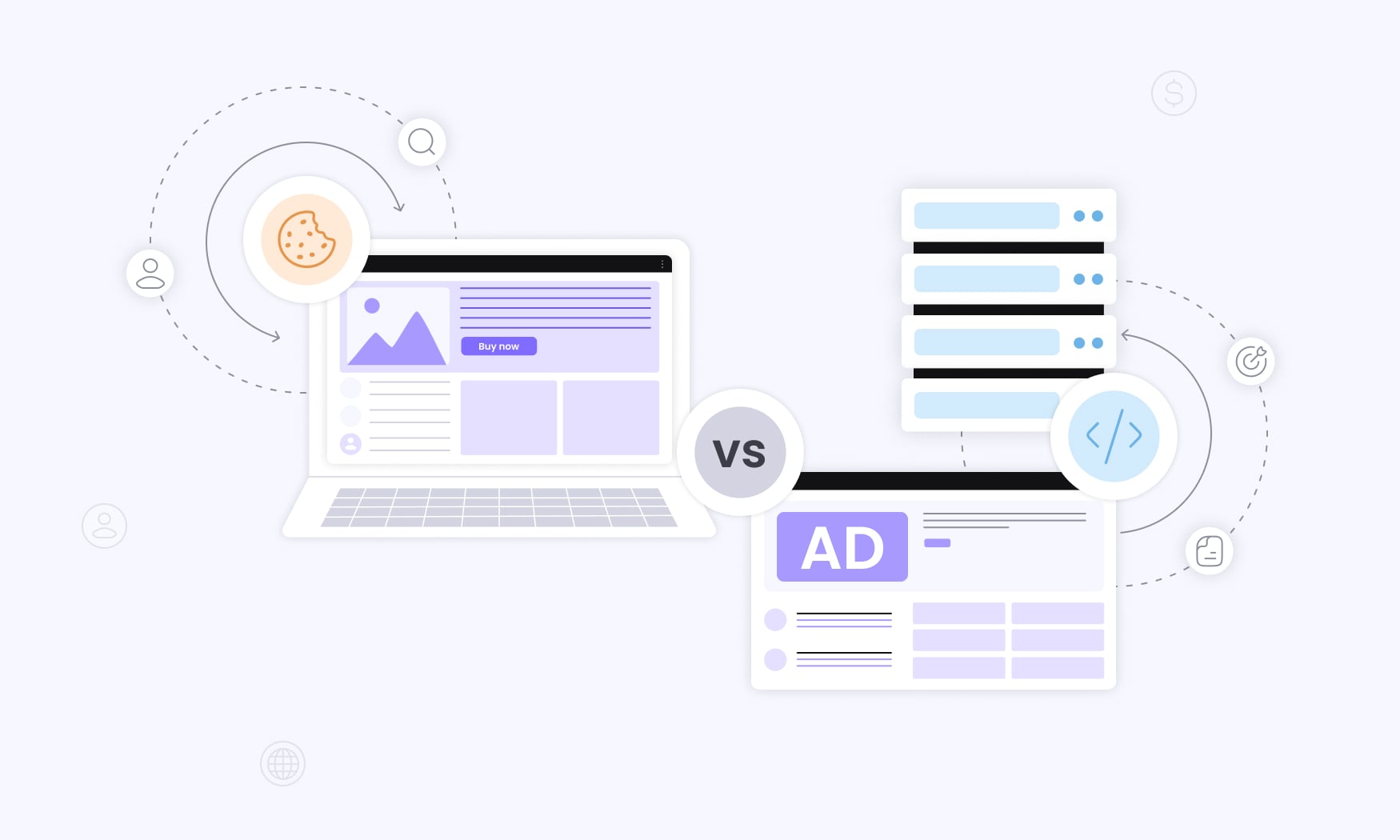
| Feature | Tracking Pixel | Cookie |
| Data Source | Server-side / Ad platform | Browser / User device |
| Accuracy | Higher | Lower (blocked / deleted) |
| Privacy Compliance | Easier (no personal data stored) | Risky under GDPR/CCPA |
| Lifespan | Persistent | Short / Session-based |
| Ad Blocking Impact | Minimal | High |
When it comes to tracking user behaviour, the truth is, while pixels and cookies may look like they’re doing the same thing, they’re about as different as chalk and cheese, and for performance media buyers, that difference is the key to getting tracking accuracy and return on ad spend right.
1. Data Collection – Pixels are sending event data straight from the browser or your server to the ad platform – no fuss no muss. Cookies, on the other hand, store data on the user’s browser, which of course gets deleted or blocked.
2. Accuracy & Reliability – Pixels are still recording conversions in real-time – even when users have their privacy settings set to do not track or are using ad blockers. Cookies on the other hand are in a world of their own – they break easily when users tidy up their browser history, switch to a different device or start using incognito mode.
3. Privacy & Compliance – Pixel-based tracking is way more compliant with GDPR and CCPA because it doesn’t store all those pesky personal identifiers, so you don’t have to worry about the legislation breathing down your neck. Cookies on the other hand have a real problem on their hands when it comes to sticking with privacy regulations.
4. Optimisation Value – With pixels you get the cleanest, verified conversion data possible, which is then fed straight back into the ad platform, making algorithmic optimisation a breeze. And cookies? Well they can’t even come close to that level of precision.
To put it plain and simple – pixels deliver accuracy, reliability and compliance, while cookies deliver inconsistency.
And that’s why RedTrack’s server side tracking is a game-changer for modern marketers looking to get real results.
When to Track Cookie
Even though many consider them outdated, cookies still have their place in digital marketing web tracking very much so – the problem is that they are no longer considered accurate attribution.
Performance media buyers still use cookies in rare occassions, and that’s usually to connect the dots between user’s interactions on the website and to map user behavior – usually on ecommerce sites.
That being said, saving a shopping cart, keeping a visitor logged in, personalizing content on repeated visits… For all those things, cookies can still work just fine.
When it comes to conversion tracking, not really.
In 2025, tracking cookies for conversion tracking simply comes with limitations due to privacy regulations (General Data Protection Regulation and California Consumer Privacy Act especially), browser restrictions and short cookie lifespan, which cause unreliable campaign measurement.
Respecting user control is mandatory in 2025 for all marketers, which doesn’t play in favor of cookie – users can view, block or delete cookies at any time.
In short – use cookies for on-site personalization, not for performance attribution. For accurate and privacy-compliant results related to any type of campaign you’re running rely on pixel.
When to Track Pixel
Tracking pixels is basically the foundation and healthy soil of modern web tracking, and that goes only for ones knowing when to use them as that separates data from insights.
Scenarios where you want to track pixel is when you need real-time data on event level about user actions that occur on your site, landing page, or someplace else.
They’re almost ideal for tracking conversions, purchases, sign-ups, or any interaction performance-related because they allow feedback loops and better campaign optimization (thanks to their nature of sending information directly to ad platforms)
If you’re about user control and privacy transparency, tracking pixel is a go-to solution because it doesn’t directly invade user’s privacy, and in case user wants to protect his data, there are tools that ensure that.
Performance media buyers usually rely on pixels just because of their accuracy – when every click, conversion, and cost matters, you need a tracking method that reports in real time and survives cookie restrictions.
Platforms like RedTrack make pixels even more powerful because they combine it with server-side tracking.
The Future Of Digital Tracking: Beyond The Cookie Jar
Lets face it, the cookie era is drawing to a close.
The old methods of tracking, cookies and browser pixels just can’t cut it anymore.
That’s why the future of tracking has actually been here for a while now – server-side tracking.
From Client-Side Chaos to Server-Side Clarity
Rather than relying on dodgy browser scripts and cookies that come and go, server-side tracking gives you reliable, first-party data, straight from the horse’s mouth. It’s clean, it’s accurate and you own the lot. There’s no guesswork, no gaps in the info you need to feed those ad algorithms. You get real conversion data that actually matters.
RedTrack was built with this shift in mind.
It tracks every click, conversion and event direct between your servers and ad platforms like Meta, Google and TikTok through powerful Conversion API (CAPI) integrations. The end result?
Accurate data in a world where cookies are a thing of the past.
Privacy isn’t the Problem – it’s the Opportunity
The consumer wants privacy and marketers need insights. You cant have one without the other. The only way to move forward is with tech that respects both.
RedTrack lets you do just that – it tracks in a completely privacy compliant way and gives you a complete view of the customer journey. You see which ads work best, which touchpoints actually drive sales and what makes the whole thing tick – all without trampling over peoples rights or breaking the law.
First Party Data: Your New Superpower
The next generation of performance marketing isn’t about collecting more data. Its about collecting better data – data that actually belongs to you.
RedTrack lets you build and use first-party data through server-side tracking and data ownership. You’re not renting your insights off platforms anymore – you own them. That means faster decisions, better optimisation and ad algorithms that finally get the whole picture.
The Future Of Tracking: Adapting To The New World
The big boys are already moving – Google’s Privacy Sandbox for instance, Apples Private Click Measurement and new clean-room models are all trying to do the right thing. But they’re also limiting visibility.
That’s where RedTrack comes in – it bridges the gap between being compliant and actually making things work. It gives media buyers, e-com brands and agencies the data they need to make smart, compliant decisions.
Why RedTrack Is The Future Of Tracking
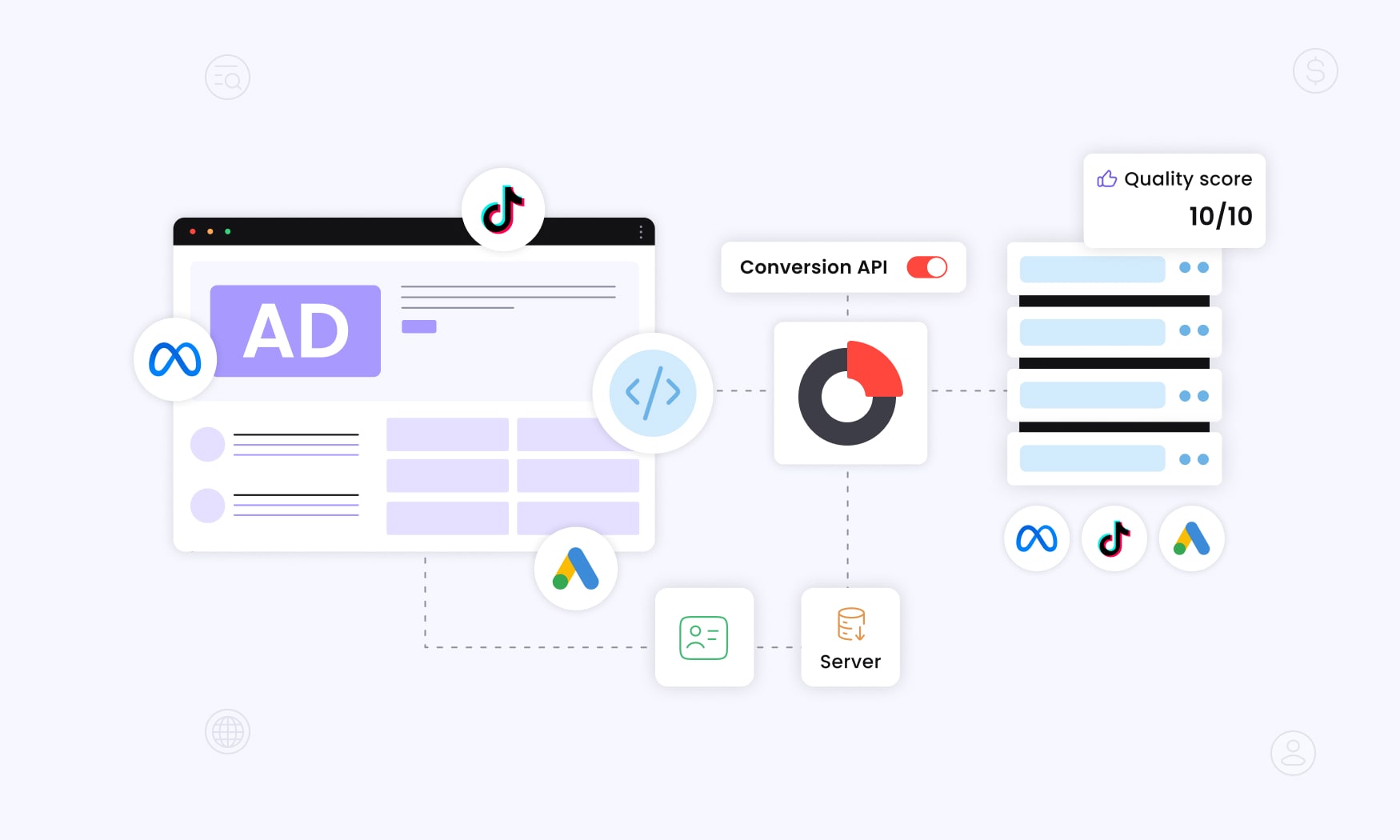
The industry is finally moving on from cookies and pixels – and one thing is clear: the future belongs to the people who get on board early.
With RedTrack you get:
- Accurate conversion tracking that actually works, thanks to server-to-server tech
- CAPI integrations with Meta, Google, TikTok, Bing and all the rest
- Real-time reporting so you can see whats going on
- Compliance with all the global regulations you need to know about
- Automation and optimisation that turns your data into profit
RedTrack isn’t just another tracker.
Its the foundation of a cookie-free, privacy-safe, world where every click counts and every conversion is tracked with confidence.
Thats the future of tracking – and its already here.


