
Each year, millions of online shoppers count down to Black Friday. If you run an ecommerce store, this peak season is your shot at making serious sales in a very short time. According to Black Friday Statistics, U.S. consumers spent $10.8 billion online on Black Friday sales in 2024, and these figures are expected to increase this year (just like any other year previously!).
Of course, this period comes with its own challenges (like rising ad costs and shoppers holding out for deals), but that’s also what makes it exciting. With the right Black Friday ecommerce strategy, you can turn those hurdles into an advantage while other sellers are scrambling for profits.
This guide shares 19 practical tips to help you make the most of Black Friday, set your store up for ecommerce success and get the best of holiday shopping season. But first, let’s see why building a promotional strategy matters.
1. Analyze Previous Sales Data
Looking back at your personal experience during Black Friday 2024 gives you clues on what worked, what flopped, and what opportunities to take advantage of. Here are some useful data to track:
- Overall spending growth – how much did shoppers spend compared to the year before?
- Category performance – if you sell different product types, which category saw the most sales?
- Channel breakdown – which sales channels saw the highest conversion rates?
- Average order value (AOV) – are people buying more per order, or just bargain-hunting?
- Peak shopping times – what hours or days had the most shopping activity?
- Customer behavior – did online shoppers start hunting for the best deals earlier, or did they wait until Black Friday?
- Cart abandonment rates – how often did shoppers abandon their carts?
- Return rate – what percentage of sold items ended up back in the warehouse?
If you’re just dipping your toes into e-commerce and you don’t have any of this data, analyzing industry trends gives you a solid starting point.
2. Optimize Product Pages for Conversions
Shoppers will bounce if your product pages page feel clunky, confusing, or unconvincing. To avoid this pitfall, make your product pages conversion-ready with:
- Benefit-driven copy – don’t just say what the product is; spell out its benefits so potential buyers can see value right away.
- Fast page load times – when load time goes from 1–10 seconds, bounce rates increase by 123%, so optimizing your images and cleaning up scripts can improve conversion rates.
- High-quality images (or video) – people want to see what they’re paying for, so you’ll win them over if you display product images from multiple angles or serve up a quick demo video.
- Social proof – when new customers are torn between similar deals, seeing real people vouch for your product builds instant trust.
- Bold calls to action (CTAs) – make your CTA big and bold so it’s among the first things a customer spots when they click-through to your landing page.
3. Start Your Black Friday Plan Early
If you wait until mid-November to plan, you’re already behind. A recent survey by Shopper.com reveals that 52.6% of people intend to start their shopping with pre-Black Friday deals. As early as October, they’re already comparing prices, bookmarking pages, and building their wish lists.
This means you’ve got two jobs:
- Warm up your audience – use social media, email marketing, and cost-per-click (CPC) ads to create buzz around your offer.
- Lock in your operations – restock and finalize budgets early so you don’t run out of goods or ad spend mid-sale.
Planning early gives you enough time to test and optimize your campaign. So, while other sellers scramble to set up an ad, you’re already capturing sales.
4. Build Anticipation Through Social Media
Now that you know customers are already wishlisting items for Black Friday, it makes sense to get in front of them early. Social media platforms come in handy here. With social commerce on the rise, shoppers can move from seeing your post to checking out in just a few clicks.
Here’s how to create buzz as part of your Black Friday marketing strategy:
- Drop hints a few weeks ahead to spark curiosity.
- Use a daily or weekly countdown to build urgency.
- Leverage Stories and Reels to keep your brand top of mind.
- Share behind-the-scenes photos and videos of how your team is packaging items, stocking shelves, or setting up campaigns.
- Use influencer marketing to improve brand visibility (this means asking public figures to preview or endorse your offers).
- Encourage followers to wishlist products they like so they can quickly buy when a discount hits.
The more awareness you create, the easier it becomes to turn customer engagement (such as likes and comments) into sales.
5. Segment Your Audience for Personalized Deals
Not every shopper is looking for the same thing. Some are bargain-hunters chasing the best deals, while others want bundles or premium upgrades. If you send everyone the same offer, you’re leaving money on the table.
Instead, segment your audience based on demographics and online shopping behavior. Then create a Black Friday marketing strategy tailored to each group.
Check out sample offers for different customer groups:
- Repeat buyers – early access or exclusive bundles
- High spenders – free shipping or a gift
- First-time shoppers – limited-time “welcome” discounts
- Cart abandoners – a small discount
These offers speak directly to shoppers and are more likely to drive sales. And on BFCM weekend, when inboxes and newsfeeds overflow with generic promos, that personal touch is exactly what helps your brand stand out.
6. Use Teaser Campaigns to Build Excitement
Teaser campaigns work in the same way as a movie trailer. You’re giving your audience just enough to get excited without spilling everything. Start with hints a few weeks out, then slowly reveal more details as the date gets closer.
Check out a few ways to do this:
- Share countdown posts on TikTok (“10 days until our biggest sale of the year!”).
- Hint at mystery discounts in emails (“Will it be 10%… 20%… or more?”).
- Post behind-the-scenes Reels of packing up new products.
- Create VIP early-bird lists that promise first access to the best offers.
- Upload short video teasers with product close-ups but no prices revealed.
The goal is to spark curiosity so shoppers remember your brand when comparing options.
7. Offer a Major Discount
Black Friday is the one weekend that shoppers circle on their calendars because they expect a big discount. If your sales look like the same 10% off you ran in July, they’ll scroll right past it.
According to Beitelspacher, some online retailers slash up to 50% off their prices. However, the sweet spot hovers between 20–30%, depending on your margins. So if you aim lower, you may struggle to attract buyers.
Bear in mind that a major discount doesn’t mean slashing your entire store. You can:
- go big on bestsellers;
- bundle slower-moving items;
- offer “buy more, save more” tiers so bigger carts equal bigger savings.
8. Create Urgency with Countdown Timers
One of the biggest drivers of Black Friday sales is urgency. Shoppers know the deals won’t last forever, and nothing drives that home better than a ticking countdown timer esspecially when it comes to online stores. It’s a simple trick, but it taps into the fear of missing out (FOMO) and gets people to check out before the clock runs out.
In fact, a recent study found that FOMO prompted 60% of customers to make a reactive purchase within just 24 hours, and that’s proof that the psychological pressure is real.
You can capitalize on this fear by adding a timer in these strategic areas:
- homepage banner;
- product pages;
- cart or checkout pages;
- email marketing campaigns;
- social media pages.
On Black Friday, when shoppers are juggling multiple tabs, that little reminder of “00:14:10” can be the nudge that wins you the sale.
9. Use Scarcity Tactics
FOMO doesn’t stop at countdown timers. It also drives action when shoppers realize an item might run out of stock before they get it. That’s where scarcity comes in. When people see limited-stock alerts or exclusive deals, hesitation goes out the window, and quick decisions take over.
Check out some smart ways to use scarcity tactics this Black Friday:
- low stock alerts – “only 7 left” is often all it takes;
- exclusive bundles – mark them as valid for one day only to drive faster checkouts;
- capped offers – such as free shipping for the first 200 orders.
The trick is to keep it real. Shoppers can spot fake scarcity, and this can hurt your credibility. But if you’re transparent, scarcity makes your deals feel exclusive and optimizes conversion rates.
10. Optimize Your Website for Mobile Devices
Buyers value convenience. They want to scroll through options, compare deals, and shop on the go (and mobile devices make that possible). In fact, nearly 49% of online buyers shop using their phones. So if your site isn’t mobile-friendly, you’re basically closing the door on more website traffic and sales.
Here’s how to get your site optimized for mobile devices:
- Prioritize speed – compress images, use a content delivery network (CDN), and cut unnecessary scripts so pages load in three seconds or less.
- Design for thumbs – make buttons big enough to tap, space links apart, and place key actions (like “add to cart”) where thumbs naturally reach.
- Simplify navigation – use a sticky menu, collapsible categories, and a prominent search bar so shoppers can find products quickly.
- Reduce pop-up clutter – avoid intrusive banners that cover the screen (use smaller prompts that do not disrupt the user experience).
- Optimize visuals – use responsive images and legible fonts that resize automatically without breaking the page layout.
- Test on real devices – check how your site appears on iPhones, Androids, and tablets.
Shoppers don’t wait around for clunky landing pages. Make yours work flawlessly on mobile so buyers can go from browsing to checkout without missing a beat.
11. Bundle Products to Increase Average Order Value (AOV)
During online sales, shoppers are set to grab more than one item. One smart way to encourage this is through product bundles. Instead of selling items one by one, package them together at a deal that feels like extra value.
In fact, McKinsey reports that upselling and cross-selling through product bundling can increase sales by 20% and profits by 30% because it nudges customers to spend beyond a single item.
If you want to bundle items for your Black Friday marketing campaign, here are the best strategies:
- Complimentary bundles – pair items that naturally go together (for example, shampoo and conditioner; camera, memory card, and carrying case).
- Buy more, save more – give a bigger discount when shoppers grab multiple items.
- Holiday gift sets – package products into ready-made gift bundles for busy shoppers.
- Subscription tie-ins – add a discounted subscription or warranty when shoppers buy a product bundle.
- Personalized bundles – recommend bundles based on browser behavior or past purchases.
Bundles are a win-win for you and your customers–they save money, and you sell more in a single checkout.
12. Simplify Checkout
Baymard Institute ran a survey on cart abandonment rates and found that 18% of U.S. shoppers abandoned their carts because the checkout process was too complicated.
Follow these steps to simplify checkout:
- Offer guest checkout – don’t ask shoppers to create an account before they can pay.
- Cut unnecessary steps – limit checkout to one page and only include essential fields (like full name, shipping address, payment method, and email).
- Auto-fill fields – use tools that speed up input for mobile shoppers (like browser autofill and saved payment methods).
- Be transparent on costs – show shipping fees, taxes, and discounts early to avoid surprises.
- Add a progress bar – let shoppers see how close they are to finishing checkout.
13. Highlight Bestsellers and Giftable Items
Many online shoppers are overwhelmed by endless product choices and have yet to decide what to buy. So you’ll have more chances of winning them over if you spotlight bestsellers and giftable Items.
Use these methods to help them make quick purchase decisions:
- Create a bestsellers section on your homepage and product category pages so shoppers see your most popular items right away.
- Tag specific items as “giftable” (great for people shopping for family and friends).
- Build curated guides (like the “top 10 gifts under $50,” or “best tech picks for busy moms”).
- Use social proof (like “5,000+ sold last Black Friday”).
This e-commerce promotional strategy not only boosts sales but also positions your store as a go-to destination for holiday shopping.
14. Offer Flexible Payment Options
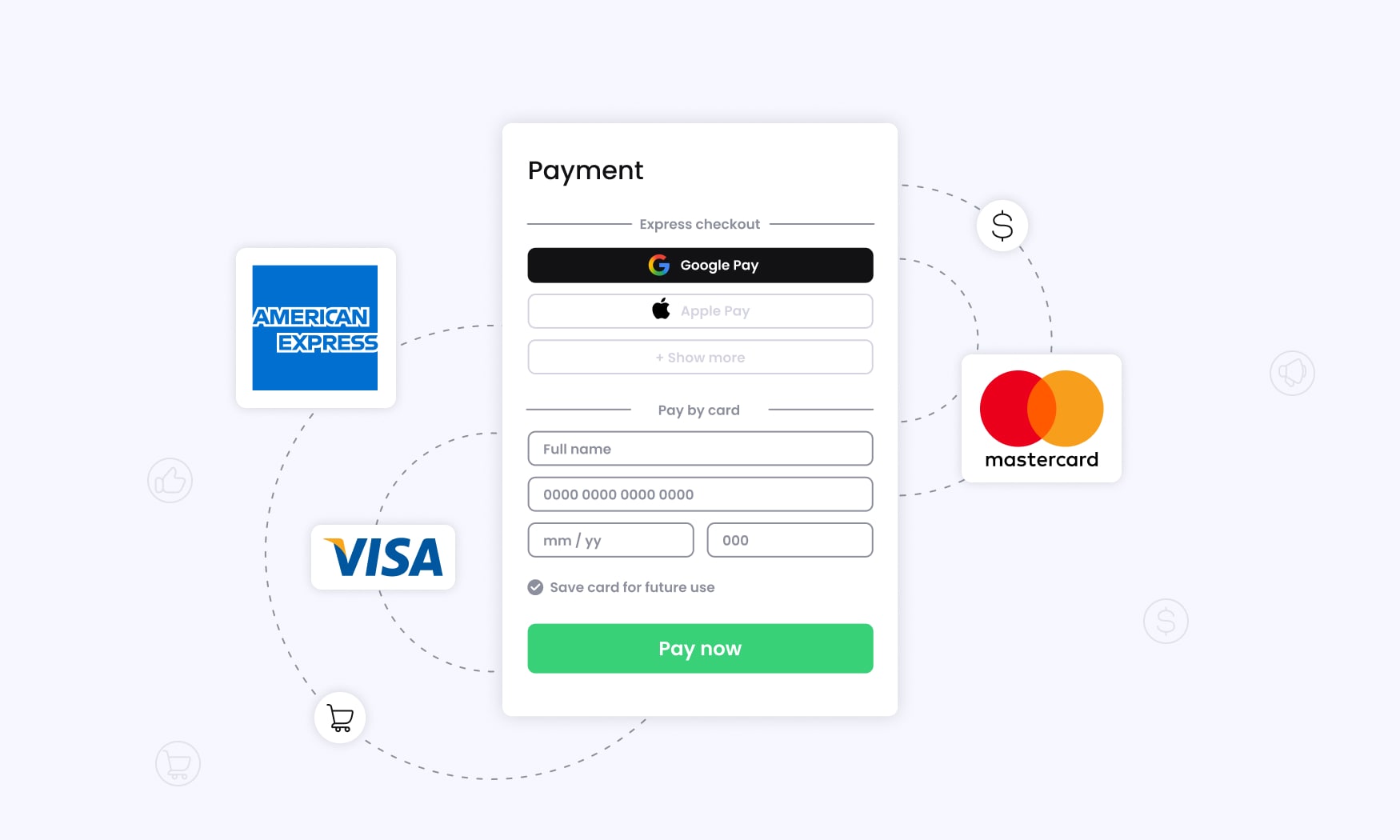
The Baymard Institute survey quoted earlier found that 10% of shoppers abandoned their carts because a retailer didn’t offer their preferred payment method. On Black Friday, with people hunting for deals everywhere, you can’t afford to lose buyers over payment options.
Here are some popular payment methods you’ll want to include:
- credit and debit cards (Visa, MasterCard, and American Express);
- digital wallets (PayPal, Apple Pay, and Google Pay);
- buy now, pay later (BNPL) services like Klarna, Afterpay, and Affirm;
- bank transfers;
- gift cards.
The more payment options you offer, the higher the chances of a customer completing checkout.
15. Create Holiday-Themed Ad Creatives
Black Friday shoppers are scrolling fast, which means you’ve only got a split second to grab attention. Holiday-themed creatives make it instantly clear what your ad is about, and when done right, this stops the scroll. A festive design can be the difference between being ignored and grabbing attention.
Here are some quick tips to make your ads stand out:
- Use seasonal colors and visuals – Black Friday deals are often associated with black, red, and white.
- Highlight the savings upfront – bold numbers like “50% OFF” work better than subtle hints.
- Make it gift-focused – frame products as a perfect gift to align holiday buying behavior.
By creating holiday-themed creatives, your ads feel like part of the holiday rush while staying on-brand.
16. Create a Customer Retention Strategy
If all you do is sell to one-time buyers, you’re leaving money on the table. Sure, you’ll sell more items during Black Friday, but the real value comes from turning deal-hunters into repeat customers. That means you need to create a clear retention strategy before the sale even starts.
Here are some post-Black Friday strategies to keep shoppers coming back after the sale:
- Offer free shipping thresholds – encourage customers to spend more money to qualify for free shipping on their next order.
- Send thank-you emails with a bonus offer – a small discount or freebie on a future purchase makes shoppers feel valued.
- Launch a loyalty program – reward Black Friday shoppers and VIP customers with points they can redeem later so they stick around.
- Share helpful content – follow up with gift guides, styling tips, or how-to blog posts that relate to what existing customers bought.
Don’t let the customer relationship end at checkout. By keeping communication open, offering incentives, and providing helpful customer service with fast response times, you’ll turn Black Friday into the start of long-term customer loyalty.
17. Run Retargeting Ads for Cart Abandoners
Even with the best offers, plenty of shoppers will click “add to cart” but never check out. Baymard Institute reveals that the average cart abandonment rate is around 70.22%. That’s a lot of lost sales, unless you bring those shoppers back.
Retargeting advertising is the smartest way to do it. These ads remind people of what they left behind and give them a gentle nudge to complete the purchase.
Here’s how to get the most out of this Black Friday e-commerce strategy:
- Use dynamic product ads – show shoppers the exact items they abandoned instead of generic promos.
- Add urgency – highlight limited stock or “sale ends soon” messaging to drive quick action.
- Sweeten the deal – offer a small discount, free shipping, or even a bonus gift to encourage checkout.
- Cap frequency – spread out 2–3 reminders out across several days to avoid overwhelming your audience.
Retargeting works because your audience is already interested in your products. You just need to make it easier for them to complete the purchase.
18. Reduce Cart Abandonment With Exit Popups
Cart abandonment often happens in the final seconds, right before a shopper closes the tab. Exit popups save the day here. These popups appear when a user’s cursor moves toward the browser bar, giving you one last chance to win them over.
Some effective ways to reduce cart abandonment rates with exit popups include:
- offering a discount;
- highlighting free shipping thresholds;
- reassuring new customers with trust signals (badges like “Secure Checkout” or “Money-Back Guarantee” often do the trick);
- collecting emails so you can follow up with abandoned cart emails.
Exit popups work because they target customers at the exact moment they’re about to leave. Instead of losing them, you give them one more reason to stay and complete the order. And because they’re already interested in the products, there’s a higher chance of them converting.
19. Track Campaign Performance
Tracking performance across multiple channels ensures you know which campaigns are driving sales and which ones are wasting budget. That’s why you need ad tracking software, like RedTrack. It’s built for agencies and ecommerce businesses that need accurate, real-time insights into their campaigns.
Here are the top benefits RedTrack offers:
- Conversion tracking – collect user behavior data across multiple devices and platforms, and know which campaign drove the sale.
- Marketing attribution – see the full customer journey, from initial click to purchase.
- Automated reporting – ditch boring spreadsheets and share real-time performance reports with clients and teams.
- Integrations – connect Google, Meta apps, TikTok, and affiliate networks in a few clicks.
- Cookieless tracking – stay ahead of cookieless updates that break traditional data collection methods, and stay compliant with privacy laws.
When you track campaigns with the level of data accuracy and quality RedTrack offers, you’ll make smarter ad spend decisions and scale marketing channels that are truly profitable.
Optimize Your Black Friday Campaigns With RedTrack
Black Friday is exciting, but it can also be chaotic. Ads are everywhere (both on social media, search engines, and ecommerce platforms), shoppers are moving fast, and budgets can disappear in a blink if you don’t know what’s working. That’s why having a clear view of your data is key to a successful Black Friday ecommerce strategy.
Ad management software like RedTrack makes all the difference between campaigns that struggle and campaigns that actually deliver results. Instead of bouncing between several Ad Managers, RedTrack gathers all the data you need in one place. You’ll see exactly which campaigns drive sales, where customers drop off, and which channels are worth scaling.
Also, with cookieless technology, server-side tracking, and deep API integrations, your data stays clean and reliable no matter what privacy updates roll out. Add in automated reporting and easy integrations, and you’ve got a tool that helps you make smart decisions fast–the kind that really matters on high-pressure days like Black Friday.
If you’re ready to protect your ad spend, RedTrack is the way to go. Sign up for a 14-day free trial and scale profitably this holiday season.


