
A successful online business thrives on visibility. You’ve got to put your products in front of the right audience if you want to make any sales. Sure, most e-commerce platforms allow you to boost your visibility on product listings using tags and SEO best practices. But your competitors are doing the exact same thing, which makes it very challenging to stand out.
Here’s where paid ads come in. Simply choose your target audience, set up an ad campaign, and get found in a crowded marketplace. So, how do you kick things off?
For a start, choose the right ad platform. Here’s a comprehensive list of the best advertising platforms for e-commerce in 2025, their key features, and why you should choose them.
1. Google Shopping
Google Shopping is a powerful product discovery tool that lets users research items from various online stores. Instead of scrolling through a bunch of blue links, users get a clean lineup of product info, including the name, price, image, ratings, and more. For online sellers, Google Shopping is by far the best advertising platform for ecommerce because you’re putting your product in front of potential customers who are already searching for it, which means more clicks and a better chance at making a sale.
These ads take up so much space in the SERPs, making it impossible for users not to notice them. That said, you’ll get the best results when you target specific demographics (ideally 18-55 years of age) at the top of the sales funnel, where they aren’t just browsing for fun but are already convinced they need your products.
Google Shopping ads drive 76% of e-commerce search ad spend, which shows just how much brands trust this platform to deliver real results. And because millions of high-intent shoppers are active on Google, you’ll get more qualified traffic.
2. Omnisend
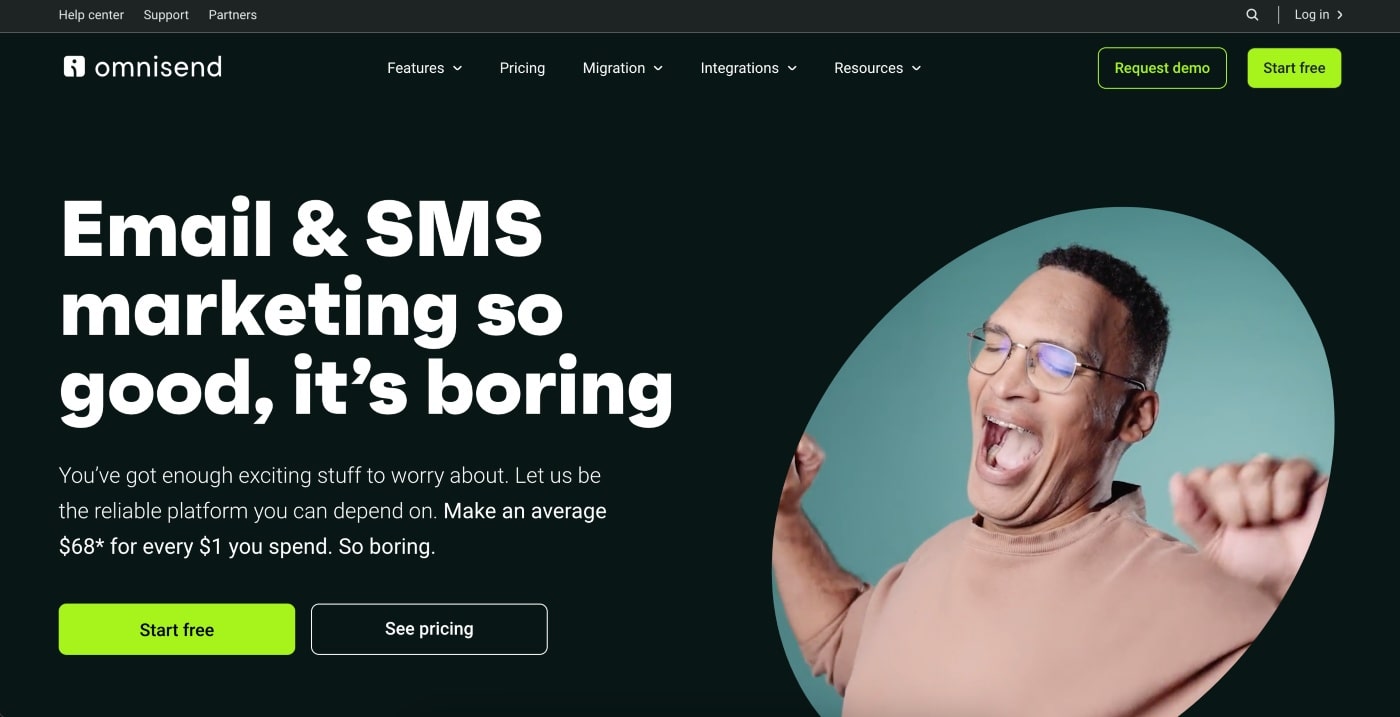
Omnisend is a marketing automation platform built to help ecommerce businesses scale faster. It’s primarily an email marketing tool, but also uses SMS and push notifications to improve conversion rates. It provides pre-built workflows for cart abandonment, order confirmation, shipping confirmation, and more, letting you engage customers across all stages of the buyer journey.
Omnisend is among the best ecommerce advertising platforms for small businesses that want a cost-effective automation tool without the steep learning curve of enterprise solutions. Also, if you’re looking to improve e-commerce growth metrics like engagement rate and customer lifetime value (CLV) without hiring a full-time marketing team, Omnisend is worth a shot.
Small business owners tend to sideline email marketing when promoting their products, but recent studies reveal that’s a bad idea. The number of email users is rapidly growing, and according to a 2024 Statista report, it’s set to hit 4.6 billion in 2025. If email (and text) campaigns aren’t already a part of your marketing strategy, start with Omnisend.
3. Google Ads (Search)
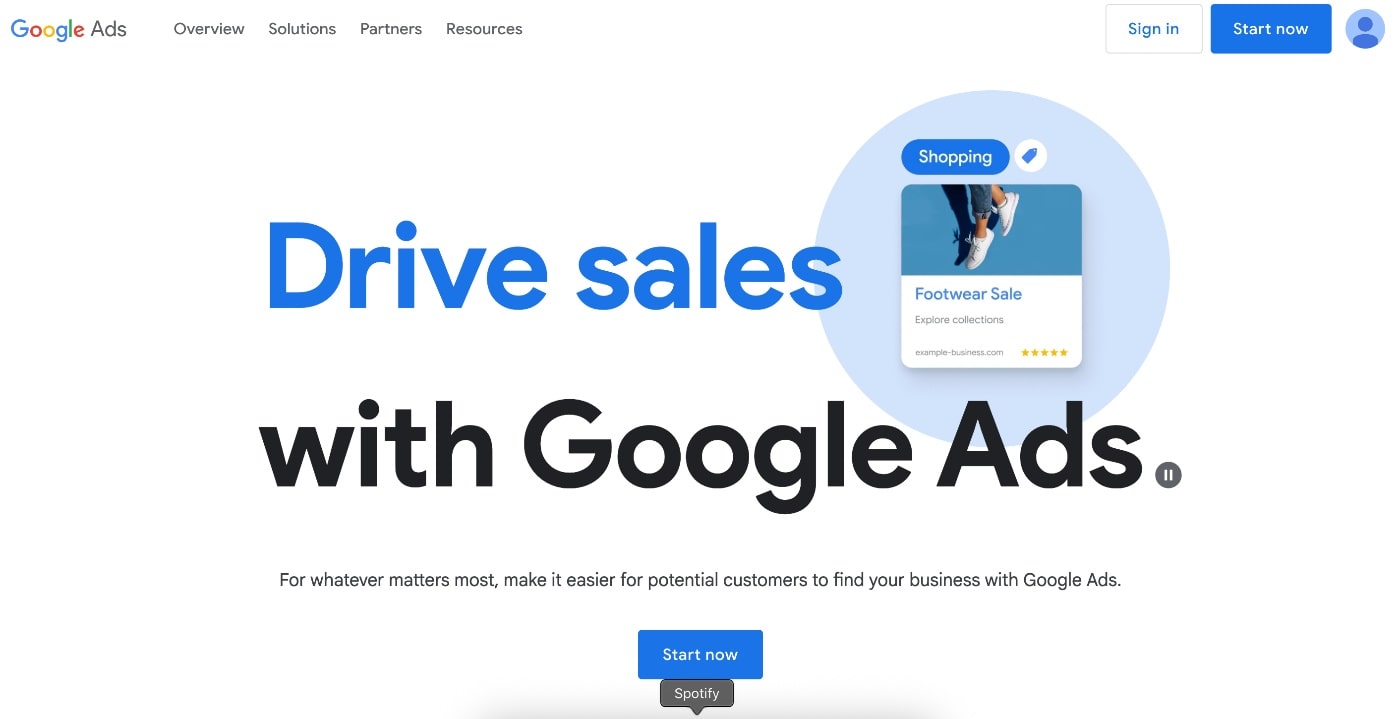
Google Ads (previously Google AdWords) is an online advertising tool that’s very similar to Shopping Ads. They both tap into Google’s vast user base of billions of active monthly users, expanding your reach. In this case, though, you’re not showing product photos and prices. Instead, Google displays text-based ads at the top of search results when users search for relevant keywords.
Google Ads is the best digital advertising platform for ecommerce businesses that sell everyday essentials and niche specialty items. It’s also great for businesses in the fashion, electronics, or skincare industry. If you’re keen on precise targeting and the ability to capture buyers at the exact moment they’re ready to purchase, Google comes highly recommended.
And when you think of the fact that Google has an 89.73% market share, you’ll realize you’re tapping into the largest pool of online shoppers, which means unparalleled visibility.
4. Facebook Ads
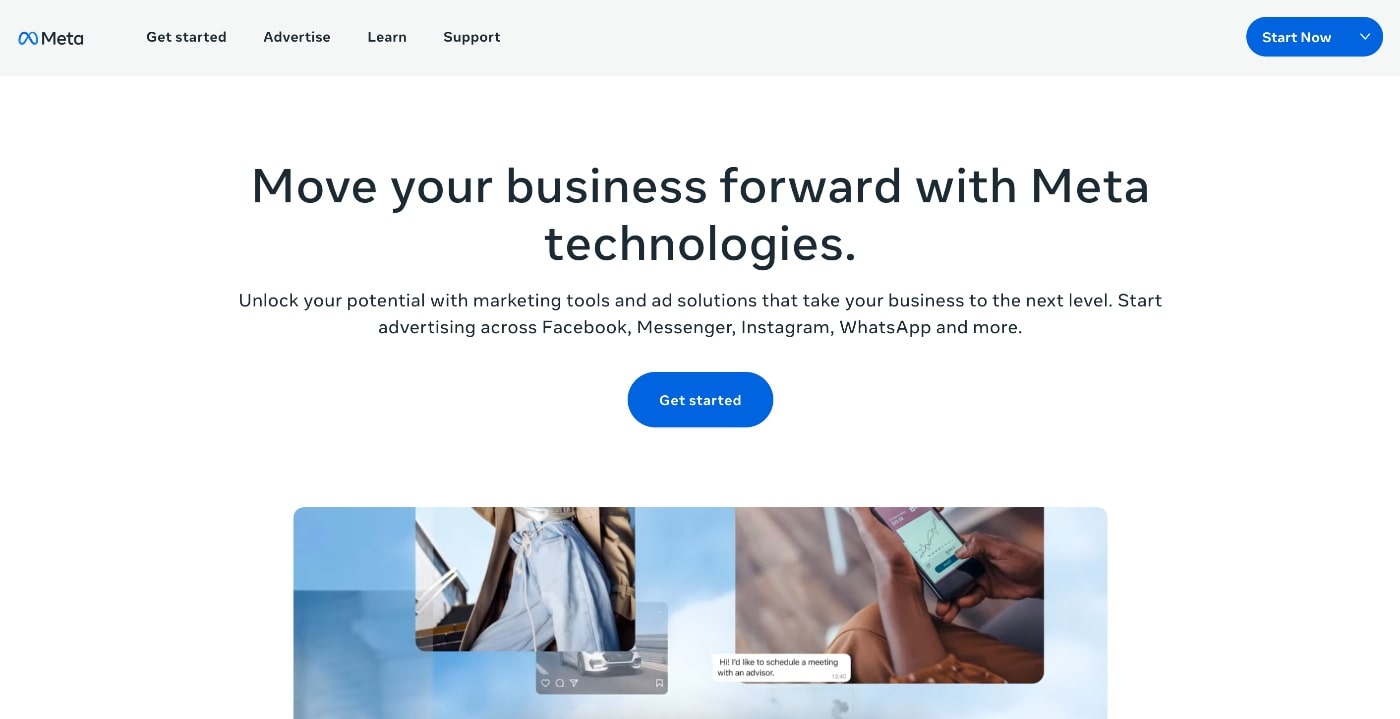
Facebook displays digital advertisements right in the newsfeed and timeline, catching users while they’re scrolling for something fun. Since users are not actively searching for your products, you’ve got to spark interest at first sight. This means making every element of your ad creative count (from ad copy and image to audio and video quality). To help out, Facebook gives you access to powerful creative tools like customizable ad formats, audience targeting options, and performance insights so you can see what’s working.
If you’re selling fashion, beauty, lifestyle, or everyday essentials for folks aged 25-44, Facebook is a great paid advertising platform for your ecommerce store. Your sweet spot is customers who might not know your brand yet but are just a scroll away from discovering it. And if you’re after repeat buyers, Facebook’s retargeting is your best friend.
One reason why Facebook is a popular platform among ecommerce store owners is that it boasts a global audience of 3.07 billion monthly active users. That’s nearly a third of the world’s population! And so far, 81% of businesses are happy with their return on ad spend (ROAS), which is why Facebook ads stay front and center for ecommerce business owners.
5. Instagram Ads
Instagram ads put those glossy photos and engaging Stories right where people are already dream-shopping. If your ad creative looks good enough, people stop, tap, and shop. The integration with Facebook ads makes setup a breeze, and the link sticker makes buying almost too easy.
Instagram ads are a goldmine if your products are visually stunning (think fashion, beauty, or anything Instagram-worthy). And if your audience is younger (say 18–34), especially those who spend a lot of time on the app, you’ll fit right in. It’s perfect for building brand awareness, stirring up desire, and getting more clicks.
Here’s a cool stat that drives up Instagram ads’ appeal even more: 54% of people buy products they discover on Instagram. So, when you make it easy to buy from the app, you’re putting your online store directly in people’s hearts.
6. Pinterest Ads
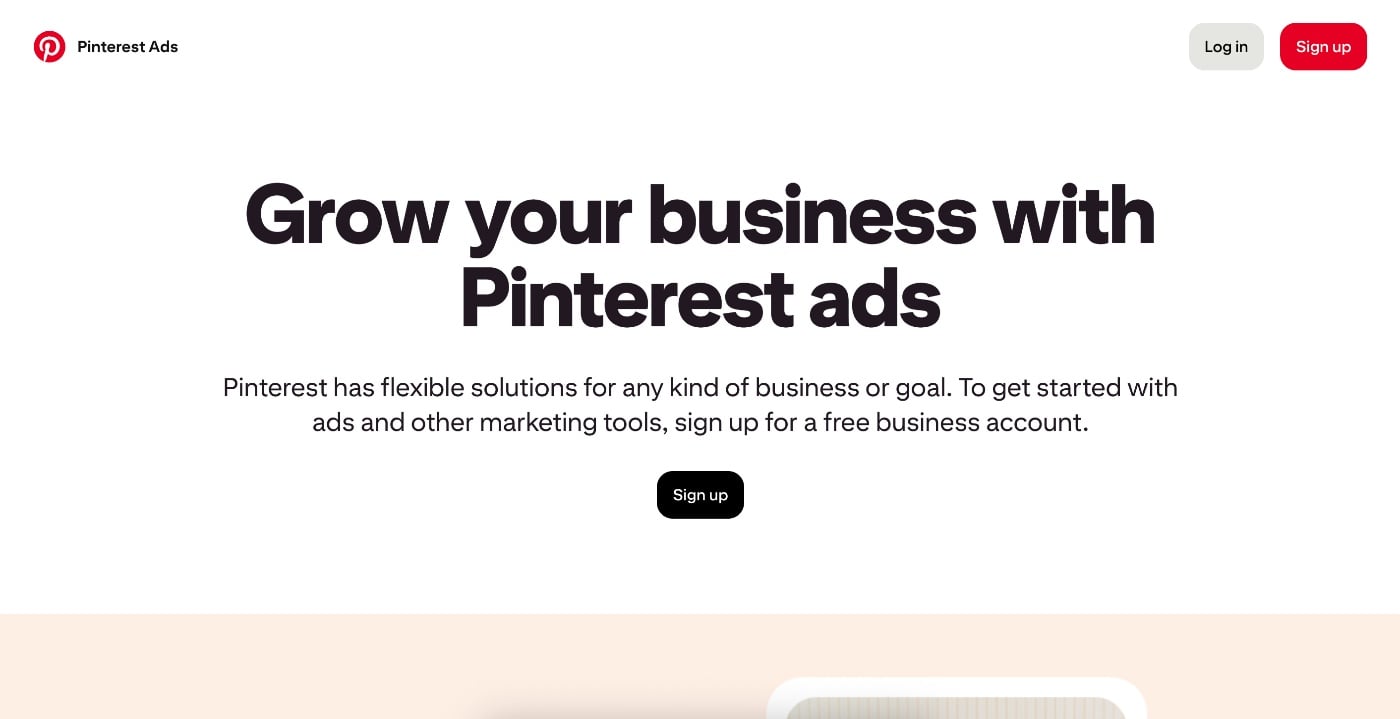
Pinterest ads look similar to regular Pins, except that they have the “Promoted” label. When someone repins your promoted Pin, it keeps getting seen, boosting your online visibility. It’s low-pressure, inspiration-driven, and perfect for telling your brand story.
If your online shop is built around things that people plan future purchases for (like home décor, wedding gear, meals, DIY crafts, or fashion items), Pinterest gives you the window to reach an engaged audience. The Pinterest audience is female-dominated (though men are starting to catch up), usually aged 25–34, and they’re here with intent.
In 2024 alone, Pinterest users (called Pinners) drove over $3.6 billion in revenue, and promoted Pins brought in more than 11x more prospects than other social media platforms. That means when you run paid ads here, you’re showing up where people are already planning to spend, making Pinterest ads a smart move for ecommerce businesses.
7. RTB House
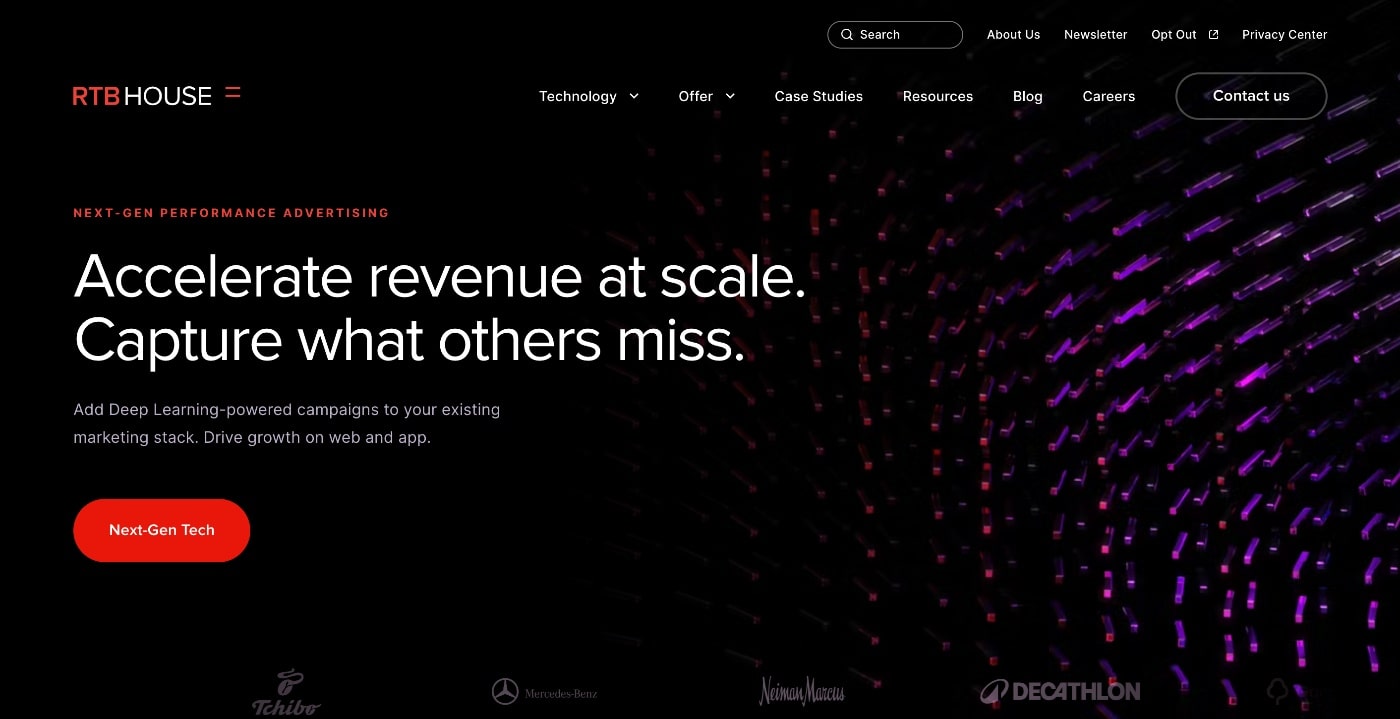
Need dynamic ad placements? Leave it to RTB House. This Polish advertising company uses deep learning across its entire system to retarget shoppers with crazy precision. That means you’re showing the right product to people who actually want it, and at the right moment.
RTB House could be the best ecommerce ad platform for you if you run a mid-sized or enterprise ecommerce brand (maybe fashion, tech gadgets, or retail) with an appetite for automation. Also, if you target a global audience and prefer an ad network that handles most of the optimization for you, RTB House might be just what you need.
Its deep learning setup has been making campaigns more effective since its rollout back in 2017, and that’s no small feat. As a result, users have been clicking on ads up to 41% times more than usual. Plus, as of 2025, over 18,000 companies worldwide are using RTB House, with many of them in retail and ecommerce.
8. YouTube Ads
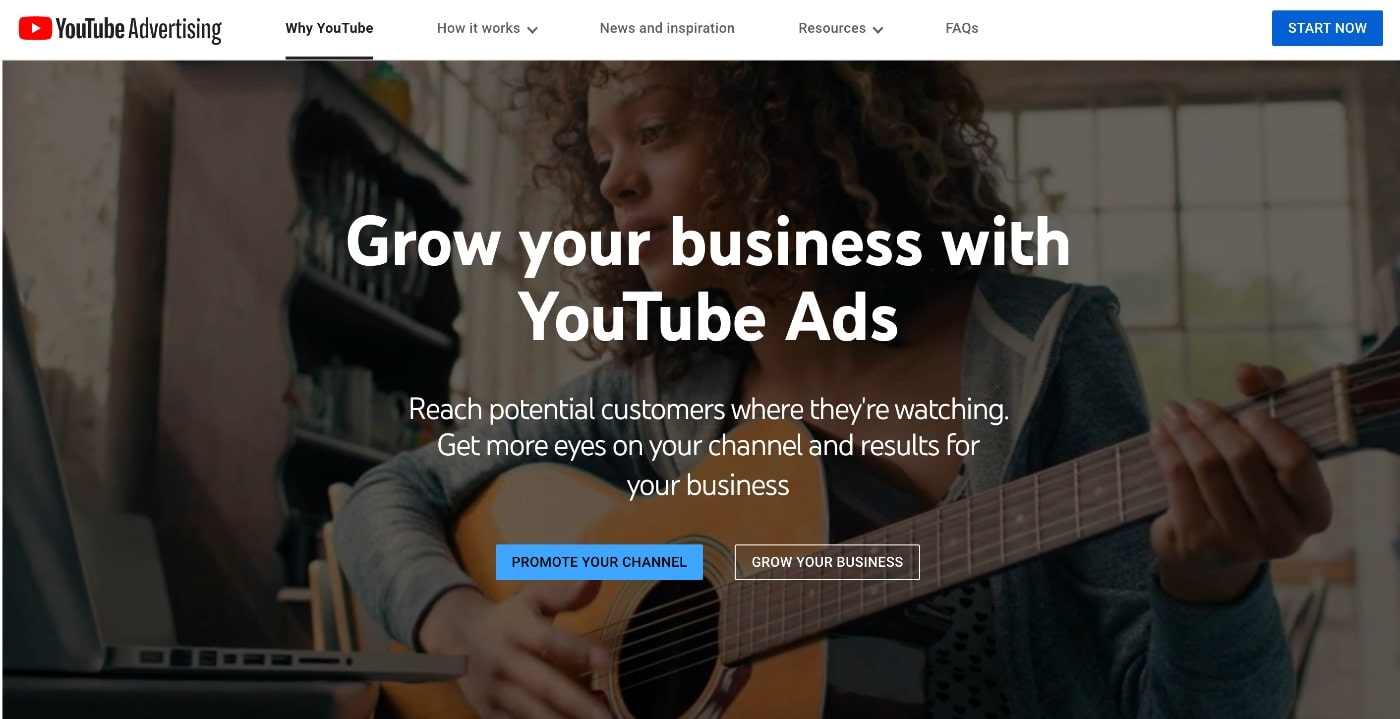
YouTube ads let your products shine in motion. You can get creative with this video-streaming giant and create how-to videos, product demos, or that quirky unboxing clip, all right where people are already watching similar videos. It’s cost-effective, with a PPC setup, so you only pay when someone actually engages with your ad.
If you’ve got digital or physical products that could benefit from visual storytelling, YouTube is one of the best advertising platforms for your e-commerce business. Your ad slips in naturally, usually at the start of a video or when a user is a few minutes in. And if your ad is relevant or interesting enough, viewers might even forget there’s a skip button.
One of the best things about YouTube is its massive user base of more than 2.5 billion people logging in every month. Considering these figures and how much visibility the platform offers, it’s easy to see why 90% of marketers include it in their video marketing efforts.
9. TikTok Ads

TikTok lets you get wild with snackable, super-engaging videos. It’s where people discover stuff fast. You can use Spark Ads to promote organic videos from your account or that of creators you work with. Or opt for Shoppable Ads to integrate product links into in-feed videos, making buying feel like part of the fun.
If your brand vibes with younger audiences aged 18-34, leans into trends, and knows how to keep things exciting, TikTok is the ideal ecommerce advertising platform for you. Also, it makes sense to run ads on this social media platform if impulse buys fuel your online sales.
You’re looking at a $2 average revenue for every $1 spent here. TikTok ads reach about 19.4% of the world’s population, which explains why savvy advertisers see TikTok as their best-performing media channel. So, you don’t want to sleep on it if your product thrives on attention.
10. The Trade Desk
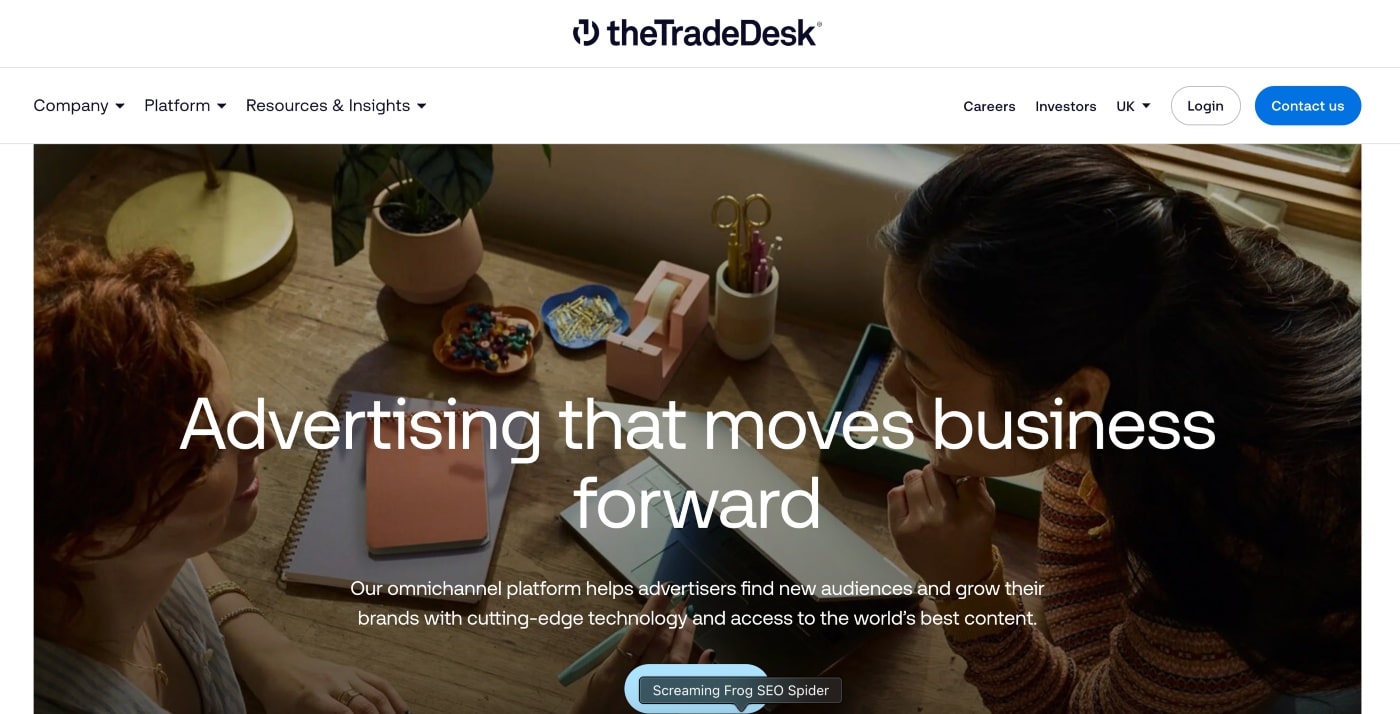
The Trade Desk gives you access to different marketing channels, including connected TV, audio, display, and retail media, all from one place. Plus, its AI tool helps you optimize your campaigns in real time. That means smarter targeting, deeper, and better results.
The Trade Desk is a good fit for large e-commerce brands that run ads across multiple channels. So, if you sell through retail partners or run connected TV campaigns, this cross-channel marketing tool is worth a shot.
It’s the world’s biggest independent demand-side platform, which explains why over 1,380+ brands trust it for data-driven video advertising. You can confidently scale your campaigns knowing that the platform is already trusted by some of the biggest brands in ecommerce.
11. Microsoft Advertising
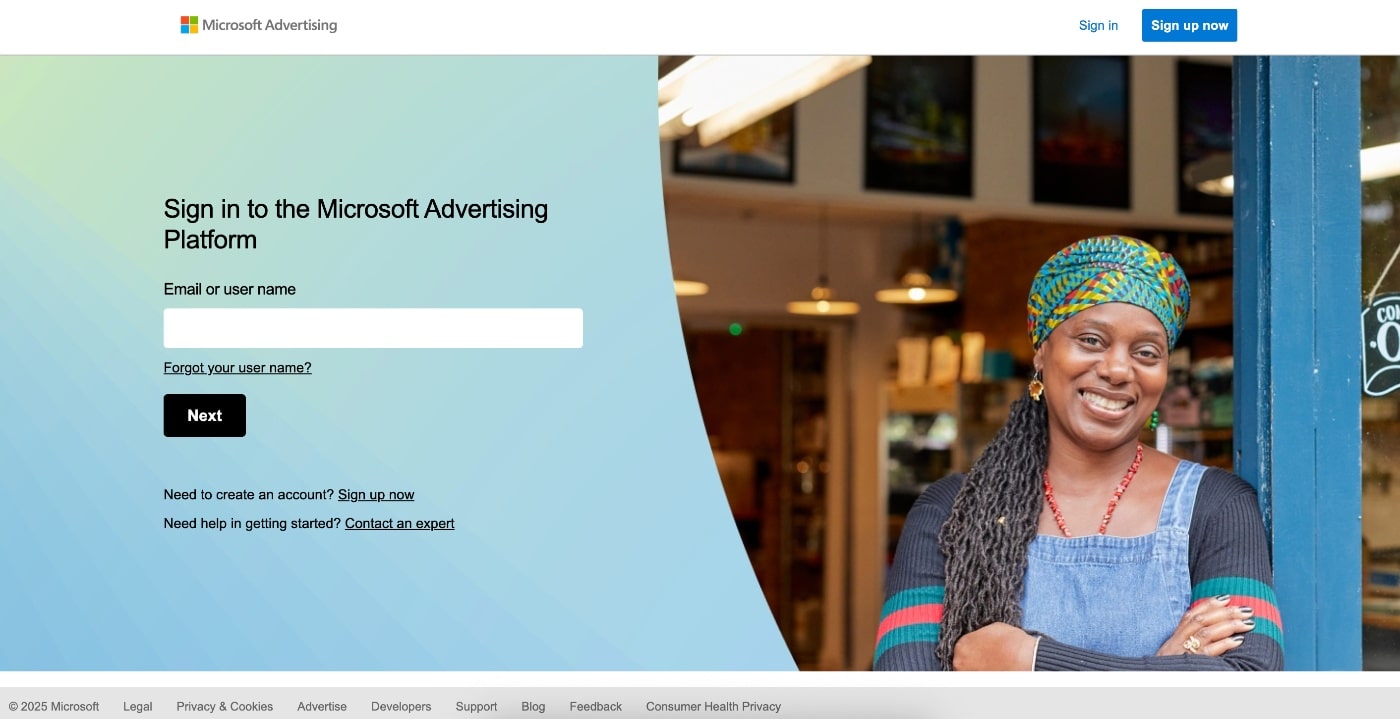
Microsoft Advertising (yep, the old Bing Ads) gives you access to people who might not be on Google but are still shopping online. It’s one of the best ecommerce advertising platforms for marketers who want more bang for their buck. You can easily import your Google ads and hit the ground running. With this platform, you’re serving ads across Bing, Yahoo, DuckDuckGo, apps, and more (all with features you’re very familiar with).
If you’re selling to professionals or people (like older demographics or niche-interest audiences) using alternative search engines, you’ll enjoy Microsoft Advertising. It’s also a powerful digital tool if you want to stretch your ad spend further while getting real visibility outside of social networks.
Microsoft Advertising has already pulled in over $20 billion in annual ad revenue, which shows it’s not a fly-by-night platform but a serious player when it comes to the best advertising platforms to run ecommerce ads. Also, the ability to target users based on industry or job function, gives you precision without switching tools.
12. Snapchat Ads
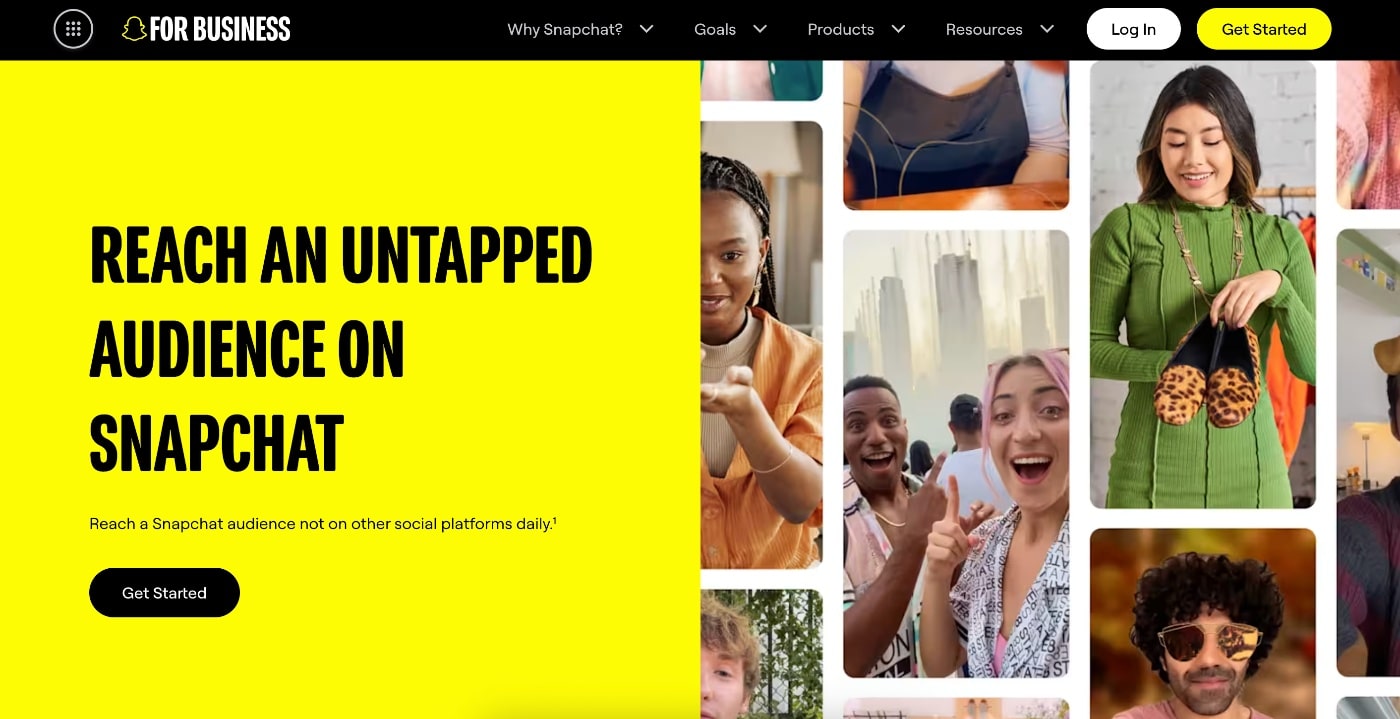
Snapchat lets you reach shoppers with smart, immersive ads that feel like part of the story. You’ve got options like AR Lenses, snappy videos, or swipeable Collection Ads that let viewers shop right away. In a nutshell, Snapchat advertising feels like meeting your customers while they’re hanging out with friends.
Snapchat comes in really handy when you’re targeting younger Millennial and Gen Z audiences, especially if you’re in a fashion, beauty, or home goods niche. It’s great for brands that have a playful and addictive vibe. So, for your video ads to appeal to anyone here, you’ve got to sell products that people enjoy using.
Snapchat’s been quietly delivering major results. For example, a study by Search Engine Land found a 7.5% bump in ecommerce ROAS while other platforms slid. This same study saw that Snapchat had the cheapest cost per acquisition (CPA) out of all advertising platforms measured. That’s big news if you’re trying to stretch your ad budget and reach new customers.
13. LinkedIn Ads
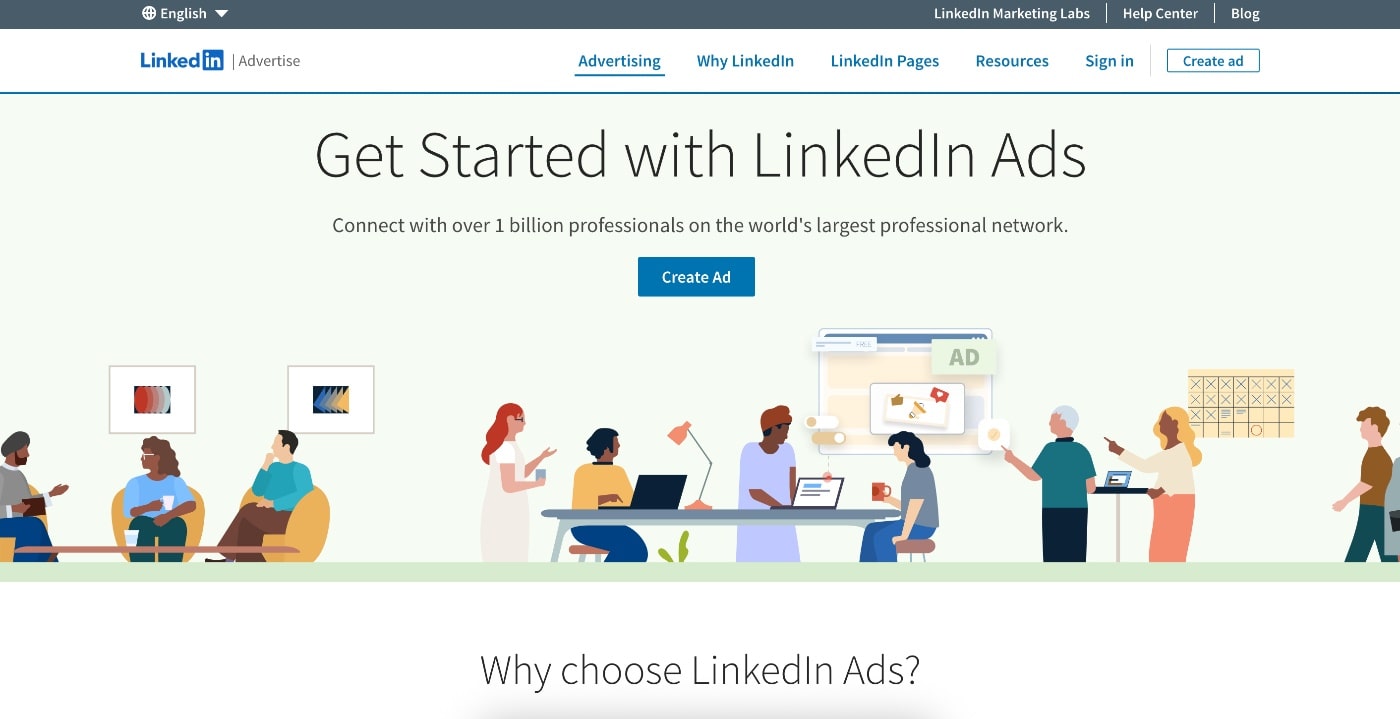
LinkedIn isn’t just for job search and networking, but it also gives you a chance to be seen by potential customers. You can take advantage of different ad types, including sponsored content, InMails, and carousel ads, which let you build trust with potential buyers.
If you’re selling B2B products, premium gear, work-from-home tools, office essentials, or anything that makes work easy for busy professionals, you’ve got a direct line. However, it’s important to target the right customer segment (based on job title, industry, company size, or even seniority level), because the quality of your audience determines how well your ads perform.
Here’s an important fact about this platform: A staggering 98% of Fortune 500 CEOs use LinkedIn, and this reach means you’re right where decision-makers are tuning in. In other words, LinkedIn ads can drive serious ecommerce sales in the B2B space.
14. AppLovin
AppLovin started with mobile gaming ads, but now it’s bringing its tech swagger to ecommerce. It has a global reach of 1.4 billion users, which gives you the same level of exposure TikTok offers. AppLovin’s real-time bidding and deep optimization can turn $1 into $2, $5, or even $10 in profit.
It makes sense to run ecommerce ads on AppLovin if you’re a mobile-first brand (or you have an app) and you want an alternative to the usual ad networks. Also, if you want to reach customers using apps or during their entertainment downtime, AppLovin puts your offers where your target audience is already hanging out.
AppLovin dominates 42% of the mobile gaming ad market, and now that it’s expanding to ecommerce, analysts are optimistic. This makes it one of our top picks when suggesting the best advertising platforms for ecommerce in 2025 and beyond.
Monitor Ad Performance Across All Channels With RedTrack
If you want to increase sales, choosing the best advertising platform for e-commerce is step one. The ad platforms we’ve covered all drive visibility, but the trick is picking the one that matches your goals, budget, and target audience. Whether you’re reaching GenZers on TikTok, C-level executives on LinkedIn, or bargain hunters on Microsoft Ads, each platform has its own sweet spot.
Whatever you choose, though, you can’t go far without a proper tracking system. If you don’t measure ad performance, you end up with messy, incomplete data, and suddenly you’re not sure which campaigns are really making you money. That’s why ad tracking software like RedTrack is essential.
With RedTrack’s conversion tracking, you’ll see the full picture of your digital marketing ROI. Forget about cookie-based tracking that breaks whenever privacy rules change. RedTrack uses server-to-server tracking, capturing every click and conversion so you never lose sight of what’s working. And because it integrates seamlessly with ad platforms, you’re not just seeing data. Instead, you’re feeding cleaner, smarter data back into your favorite ad platforms, which means better targeting and higher ROAS.
Most marketers don’t realize that most of their customer touchpoints are hidden by ad blockers or browser settings. RedTrack uncovers those blind spots, showing you the full multichannel customer journey so you can invest your funds into the right places.
RedTrack is a must-have if your ads cut across multiple devices and channels. But don’t take our word for it. Book a free demo to see RedTrack in action.


