
There are over 101,000 agencies as of 2025, and that’s in the United States alone. Considering these figures, you must stand out from the rest if you want to thrive. Success here starts with choosing the right tools for advertising agencies.
The tools you use are extra hands on your team, making sure campaigns are tracked, reports look sharp, and delivery never slips. The best tools simplify your workflows, making sure your team doesn’t spend hours on a boring spreadsheet.
When you have the perfect software lineup, you go from being just another ad agency to a growth partner clients want to stick with. And that’s exactly what this post covers. We’ll look at the best advertising agency tools by category, what they do, and why you need them.
Marketing Analytics & Advertising Operations
These advertising agency tools show you how well your ads are performing across every channel. So, instead of guessing which platform deserves credit for a sale, you show clients the full picture with confidence.
The real value here is control and resource management. You can see where ad spend delivers the highest return on investment (ROI) and spot wasted budget early. For marketing agencies, analytics and ad ops tools turn data into actionable insights, and here are the top three platforms to choose from.
1. RedTrack
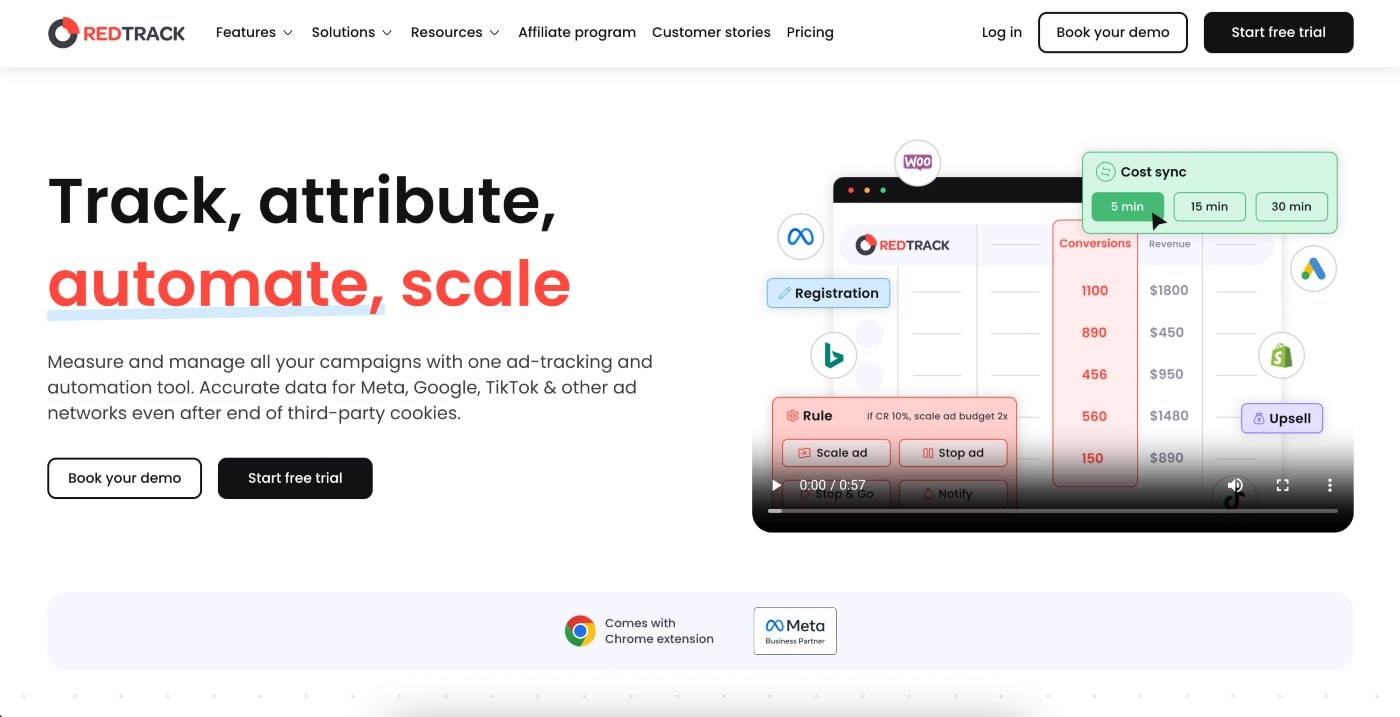
RedTrack is your all-in-one software for performance marketing, and that includes campaign tracking and analytics. Instead of bouncing between multiple ad managers to make sense of a bunch of numbers, you’ve got everything in one place. Plus, RedTrack gives you accurate marketing attribution that captures every click, so you never have to guess which channel drives the best results or how long it takes for users to convert.
Add RedTrack to your tech stack if you’re running multichannel campaigns and want to share real-time performance data with clients. It’s perfect for managing e-commerce brands, affiliates, or anyone investing heavily in paid traffic. Also, if your team is wasting money (and work hours) on manual reporting or struggling with tracking limitations caused by the cookieless update, RedTrack is a worthy upgrade.
What sets RedTrack apart from other marketing analytics tools is its data accuracy and quality. You’ll get one reliable, unbiased source of truth across all your marketing channels. And unlike most analytics tools that have limited features, RedTrack rolls in attribution, custom reports, and even automation. This means less wasted time hopping between tools and more time setting up campaigns that truly improve conversion rates.
2. Google Analytics 4
Google Analytics 4 (GA4) dubs itself the next generation of analytics, and we can see why. It’s built to handle the way people actually use the web today, moving across devices, apps, and platforms without following a straight path. Instead of relying on outdated cookie-based tracking, GA4 leans on event-based data collection and machine learning to give you a much clearer picture of user behavior. You get everything from traffic sources and engagement to conversion rates and customer lifetime value, all in one user interface (UI).
GA4 is a great option for marketing agencies that want a flexible analytics tool to track how users interact with a client’s website or app. It comes highly recommended if you’re reporting to clients who already use Google Ads, since GA4 integrates seamlessly and makes campaign data more actionable.
What makes GA4 stand out compared to other marketing analytics software is that it’s free. You won’t get the deep campaign attribution and optimization capabilities RedTrack offers, but you’ll get an incredibly powerful Google-backed tool that’s designed to scale with your agency’s evolving needs.
3. Matomo (Formerly Piwik)
Matomo sells itself as a cost-effective Google Analytics alternative. But is it really? In many ways, yes. Matomo is an open-source web analytics tool with built-in heatmaps, session recordings, and funnel tracking, so you can see how users interact with your site. Plus, with its A/B testing, you can compare different versions of your landing page, CTA button, headline and more, to see which is more effective.
Matomo is a good fit if your agency runs a lot of conversion rate optimization (CRO) campaigns for clients in highly regulated industries with strict data privacy laws—think finance and healthcare here.
What makes Matomo stand out from other marketing agency tools is that it gives you 100% data ownership. You choose where and how to store your users’ data, and you’re not giving them away to a third party. This gives you peace of mind because you won’t run into compliance issues with the GDPR and CCPA.
Project Management & Collaboration
Agency work never happens in a silo. Strategists map marketing campaigns, designers create stunning visuals, copywriters craft compelling copy, and an account manager tries to keep everyone (including the client) sane. Without a proper organizational system, you’ll have clients chasing you for updates.
Project management and team collaboration tools fix that by giving you a digital workspace to organize projects, keep clients in the loop, and make your team look like the pros they really are. If you’ve decided to ditch boring spreadsheets, these are the best project management tools on the market:
4. ActiveCollab
Savvy digital marketing agencies up to 25 employees swear by ActiveCollab, and here’s why: This project management, productivity and collaboration tool provides everything a digital workspace needs to operate, including time tracking, scheduling, and invoicing. So instead of switching between platforms, you can move from project ideation to billing without leaving the app.
ActiveCollab is a clear winner if you need more than just a to-do list. Because everything project-related sits in one hub, you don’t have to spend money on additional software or patch together a messy system – they literally tailored the solution towards agency-model service businesses!
If you’ve ever used ActiveCollab, then you already know how agency-friendly this tool is. Similar tools stop at project tracking and adding task dependencies, but ActiveCollab takes project management one step further. Here, you can track billable hours, turn them into invoices, and communicate in-app. This means less time on admin tasks and more time setting up campaigns that truly deliver.
5. Asana
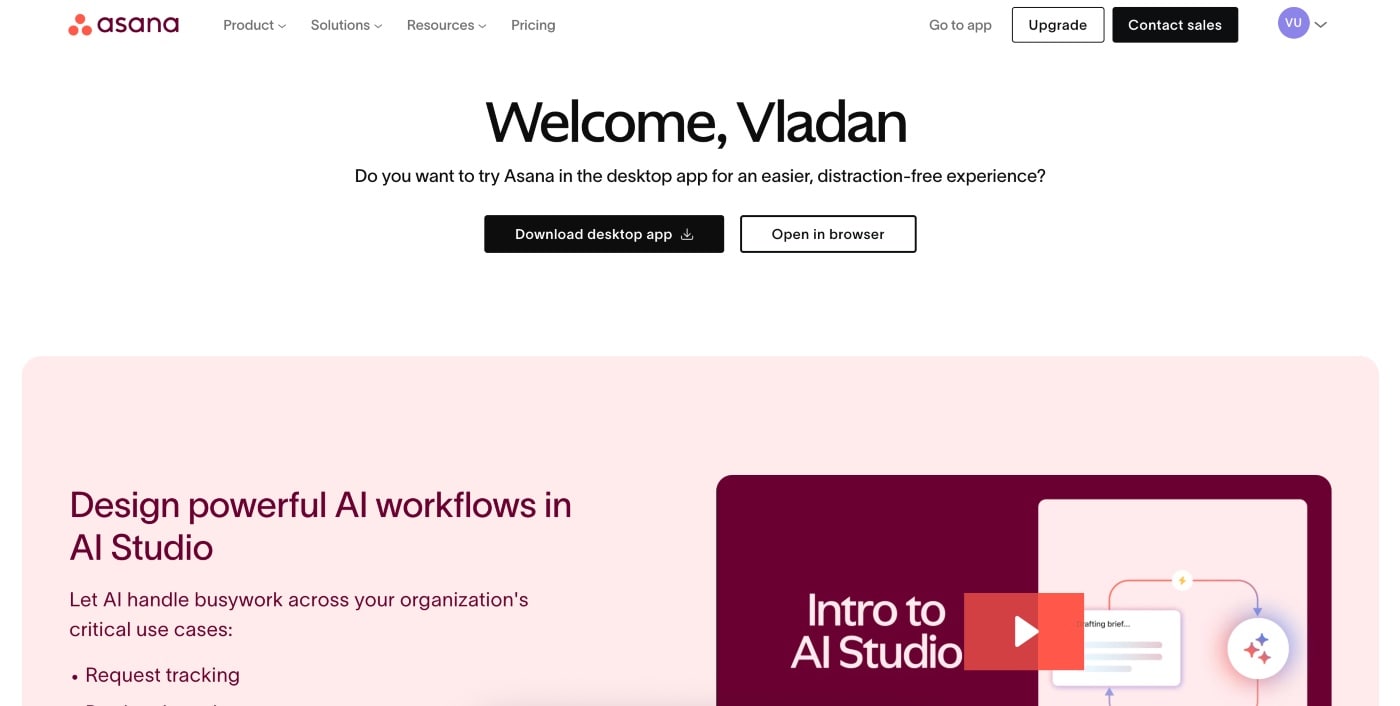
There’s not much of a learning curve here, and that’s the beauty of Asana. You just need to create tasks, track deadlines, and keep your entire team in the loop. You can even structure projects based on how your team works best—whether you like lists, boards, or timeline views.
Add Asana to your toolkit if you want project management software that’s easy to use but still scales as projects get more complex. Also, it’s an essential tool if you want to give clients full visibility into project progress without boring them with team chatter. Simply invite them to your workspace and choose what they see.
This project management tool is as simple as it gets, and that’s what makes it an all-time favorite among digital marketing agencies. It has a clean user interface, but without sacrificing advanced project management features, like task dependencies, custom rules, and automations.
6. Basecamp
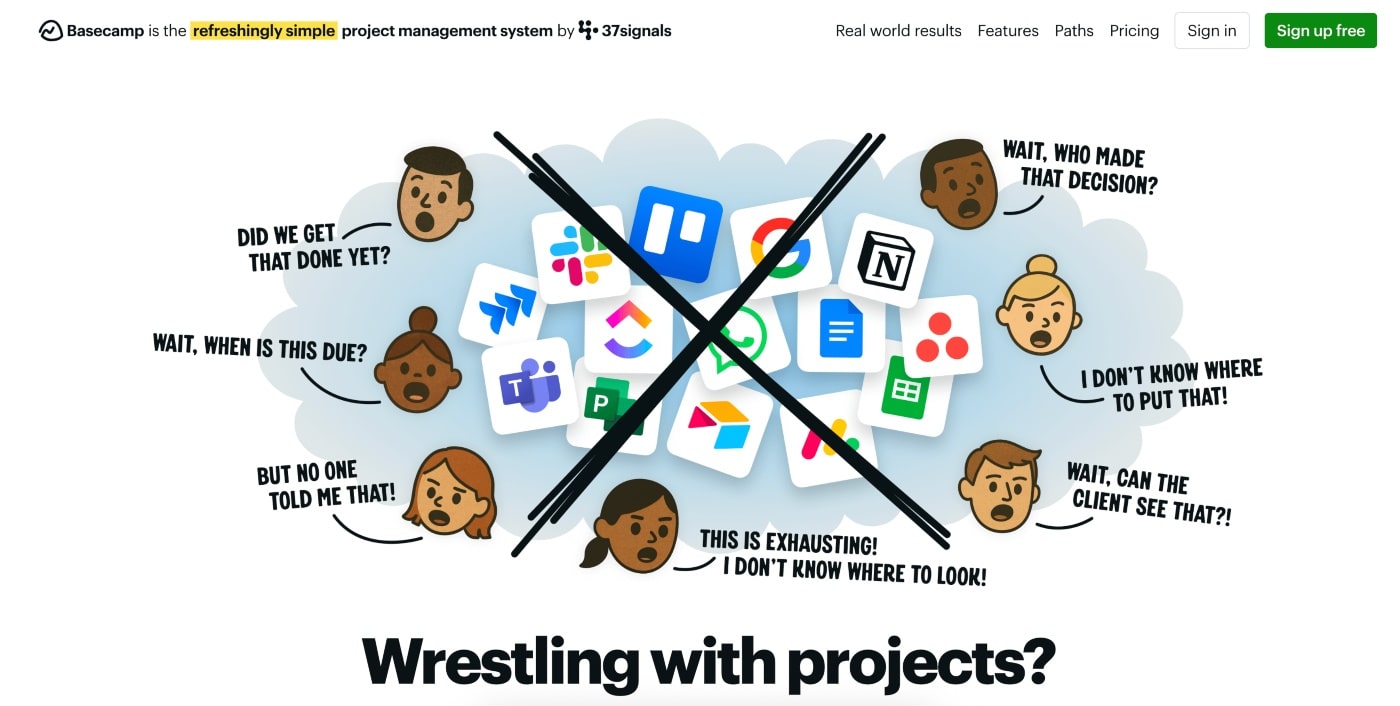
Basecamp takes all the messy parts of agency work (such as endless emails and random Slack pings) and gives you a smoother way to manage projects. Each project gets its own hub with to-dos, schedules, message boards, and file storage, so your clients and team members know exactly where to look.
A lot of project management tools are built for internal teams and then feel awkward when you try to loop clients in. Basecamp is the exact opposite—clients can log in, see project progress, and leave feedback.
That said, the big difference between Basecamp and other project management tools is that it doesn’t try to be everything. You won’t find complex dependencies or over-the-top reporting here. Basecamp is more about keeping everyone aligned without the hassle, and for marketing agencies, that means more time running campaigns.
Creative & Design Tools
No matter how crisp your audience targeting is or how compelling your copy is, if the creative doesn’t grab attention, the ad won’t work. In a world where people scroll past hundreds of ads every single day, you’ve got only 8.2 seconds to captivate them.
Stunning visuals are just what you need here, which is why creative design and content creation tools are core software for digital agencies. They help you create eye-stopping images and scroll-stopping videos that drive real results for your clients. Below are the best design software for your toolkit.
7. Canva
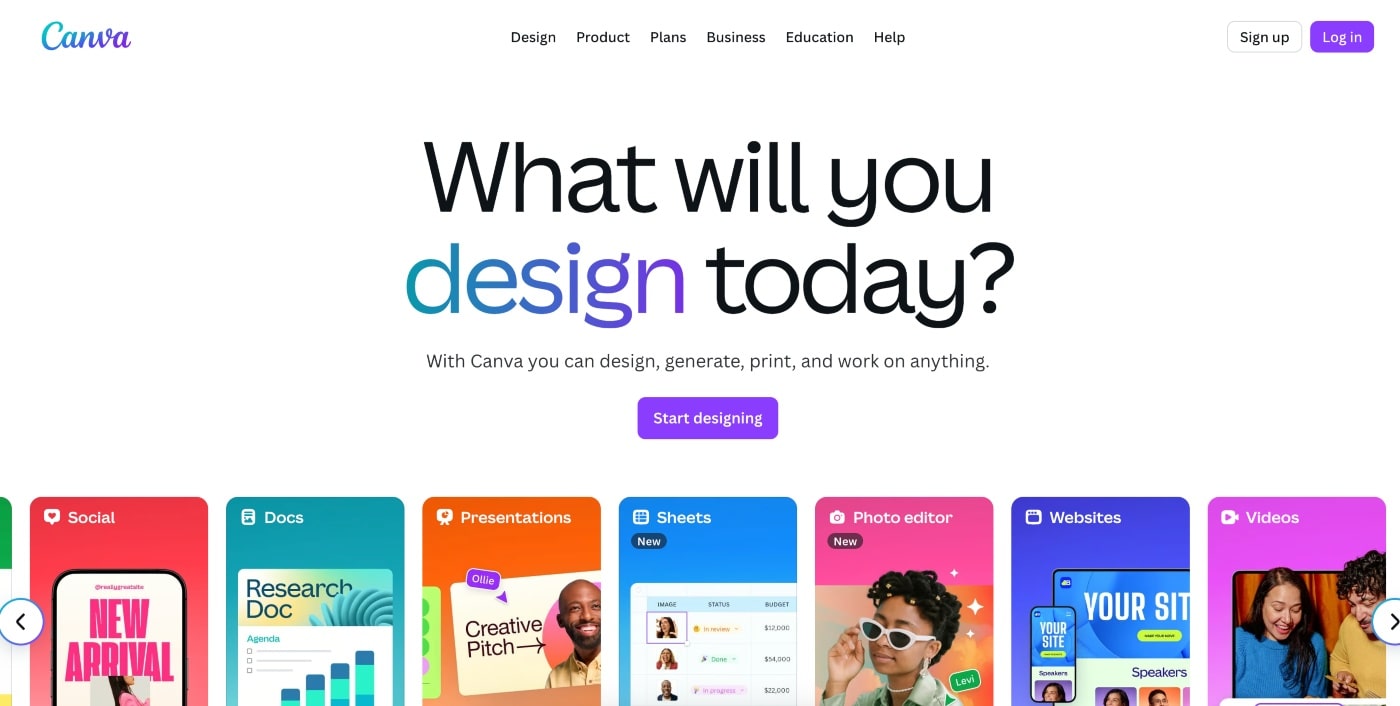
Canva is the design tool every agency secretly leans on when they quickly need to create a stunning ad creative. It’s like having a lightweight design team in your pocket. You can spin up ad graphics, social posts, presentations, or client mockups in minutes using templates with all the key features your team needs. Even if you’re not a designer, Canva makes you feel like one, and that’s a lifesaver when deadlines are tight.
It’s a perfect fit if your team needs to crank out a lot of creativity quickly. Maybe you need to run A/B tests, pitch new concepts to clients, or keep up with those social media size requirements. Canva levels the playing field, meaning you don’t need a design team to make catchy visuals. If you’re on a budget or running your own agency, that’s a win.
Canva is beginner-friendly with simple drag-and-drop features, and that’s what sets it apart from heavyweight design software. You don’t need advanced design skills here—just drag and drop, tweak, and save.
8. Figma
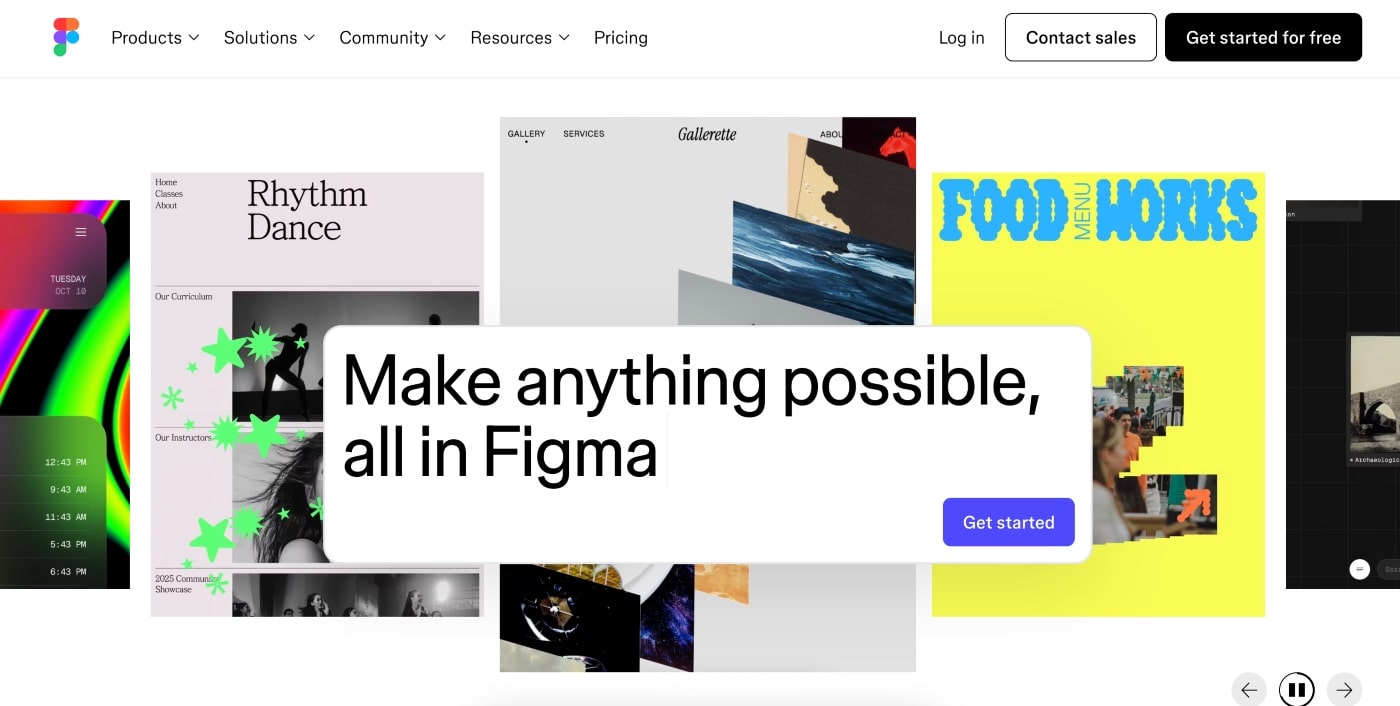
Figma is built for collaboration on bigger, more complex ad campaigns. Your whole team, and even clients, can hop in, comment, and tweak things in real time without passing files back and forth. It feels like a Google Docs, but for design.
Figma is the perfect design tool if you do a lot of collaborative creative work. And if you’re constantly revising ad creatives based on client feedback, Figma saves you hours because everyone can see the latest version without hunting through email attachments.
What makes Figma different from other design tools is how deep it goes for professionals. You’ve got powerful vector editing, smart prototyping, and scalable design systems that make complex UI or brand work manageable. In other words, it’s simple enough for collaboration but powerful enough for high-level design projects.
9. Adobe Creative Cloud
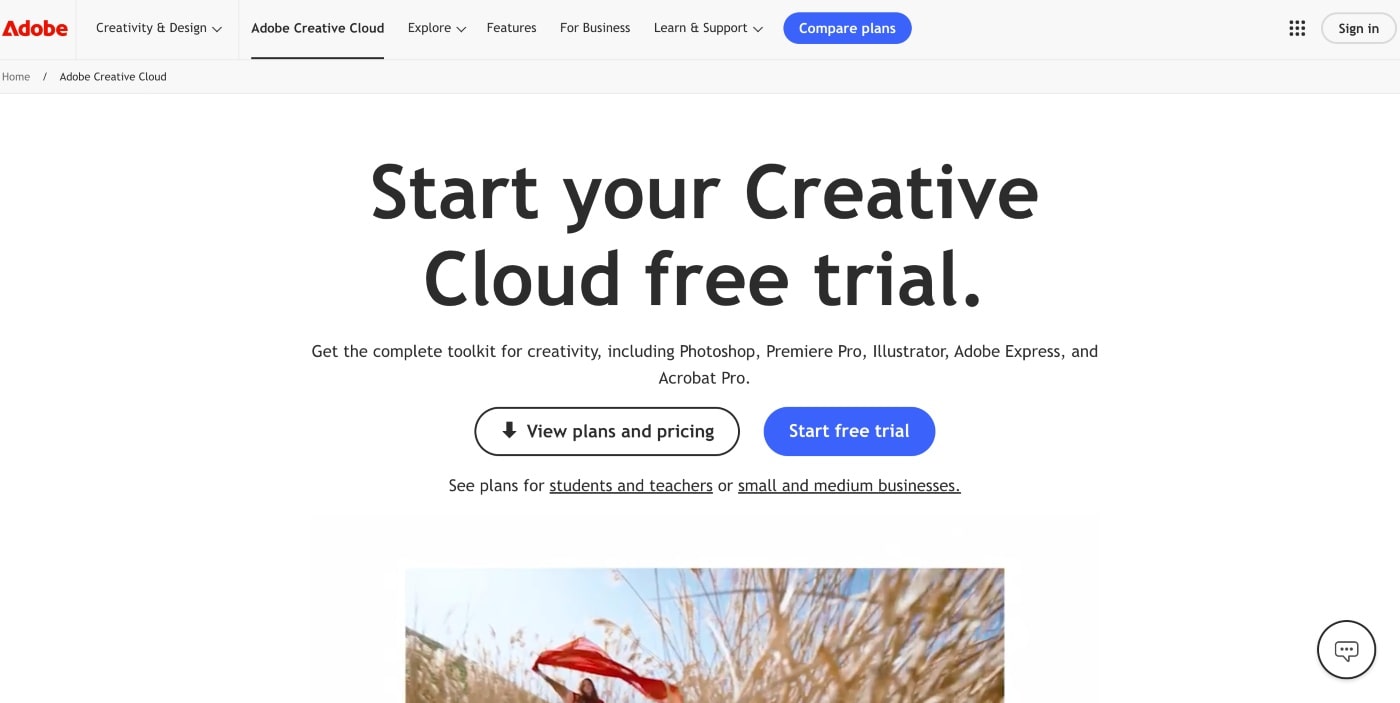
Adobe Creative Cloud is pretty much the toolkit every creative team starts with. If you need to design a social post one minute and trim a video next, you’ve got everything under one subscription. With premium tools like Photoshop, Illustrator, and Premiere Pro, Adobe gives you an entire design team out of the box.
Adobe Creative Cloud makes the most sense if your clients have high creative demands (such as TV-quality video spots, detailed ad graphics, or animations). So if cranking out pro-level designs in different formats is your forte, Adobe keeps everything looking sharp and consistent.
Adobe is where you go when you need pixel-perfect work, advanced editing, or motion graphics that spark interest. Here’s a heads up though: Adobe Creative Cloud is not always the fastest option, and it can feel heavy for smaller tasks. But when quality is non-negotiable, Adobe is the tool other digital marketing agencies won’t tell you about.
10. CapCut
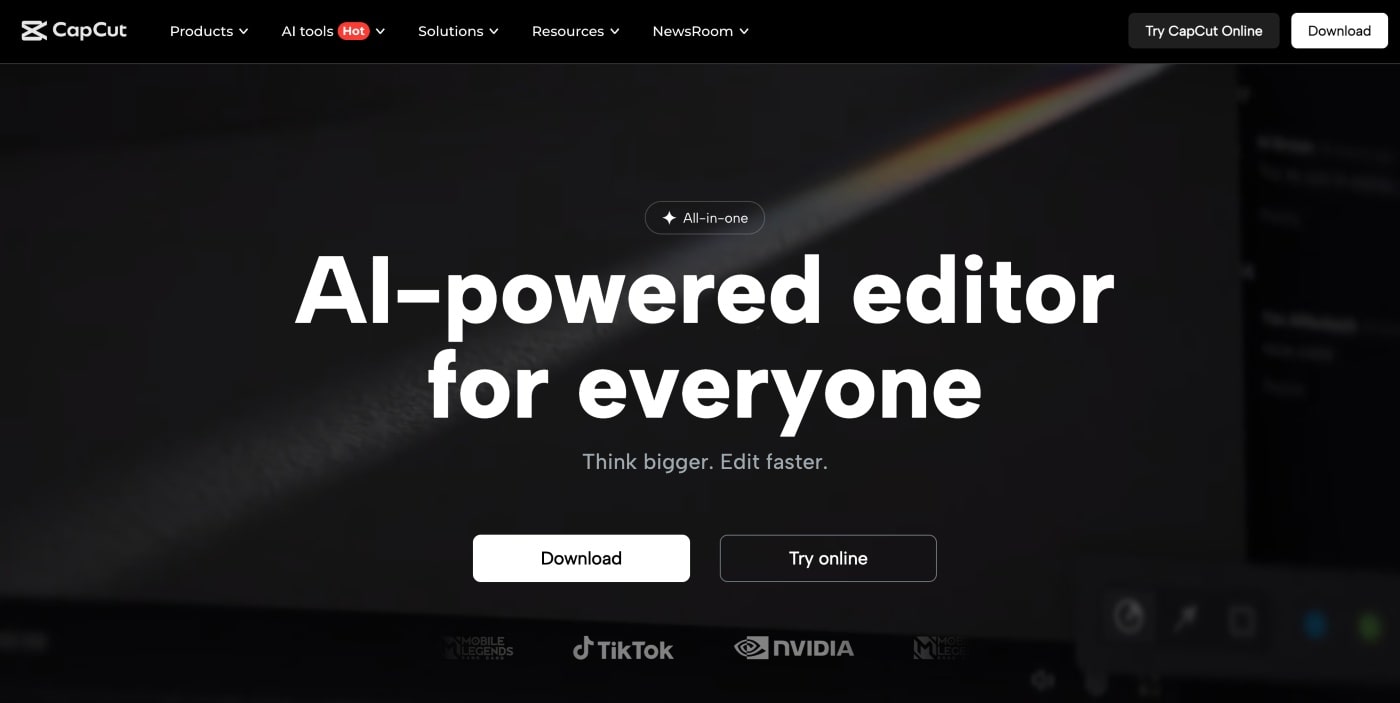
CapCut has blown up as the go-to video editing app for social media ads, and we can see why. It’s simple, fast, and packed with trending effects and transitions that make short-form videos look professional without spending hours editing.
Consider CapCut a lifesaver if your agency produces a lot of social-first creatives or if your clients are heavy on TikTok and Instagram. Instead of bogging your team down with complicated editing tools, CapCut gives you a fast way to create ads that feel native to the platform, and that’s exactly what performs best.
CapCut stands out for a couple of reasons. You get speed, trending video templates, and a mobile-first workflow designed for social ads. You don’t need a video editing background to make something that looks sharp and on-trend. The result? You can scale video production without increasing your budget or headcount.
Audience Research & Competitive Intelligence
Your ad drives action when you target the right audience and know what you’re up against. And that’s what makes you the go-to agency that clients trust with their online marketing efforts.
Here’s where audience research and competitive intelligence tools come in. They provide valuable insights into who’s clicking on ads, what matters to them, and how competitors are trying to win their attention. Once you have this info, positioning your client for maximum profitability becomes a whole lot easier. Ready to dive deep into research? These advertising agency software are the best you’ll find:
11. SparkToro
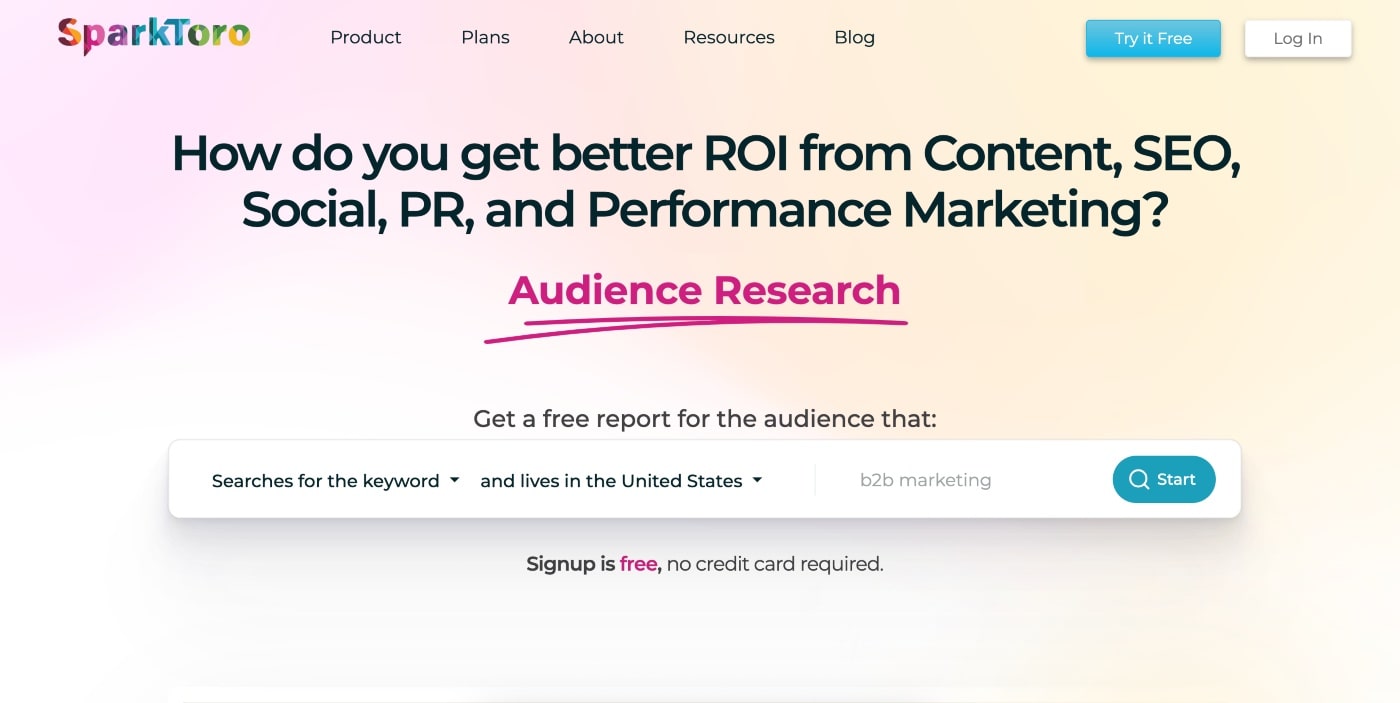
SparkToro is a shortcut to understanding what your audience cares about. Instead of digging through endless spreadsheets and reports that are hard to piece together, you can see exactly what specific audiences follow, read, and watch. SparkToro also shows you which podcasts they’ve tuned into, websites they visit, and even hashtags they use.
SparkToro takes the heavy lifting out of audience research by giving you the right tools to understand what your audience really cares about. It will fit right into your toolkit if you work on brand awareness campaigns and influencer partnerships, or you’re just trying to get both your business and your clients’ in front of the right people without wasting budget.
What makes it stand out is how accessible it is. You don’t need to be a data scientist to figure it out. It basically hands you audience insights on a silver platter, meaning you don’t need to spend all day crunching numbers from different platforms.
12. SpyFu
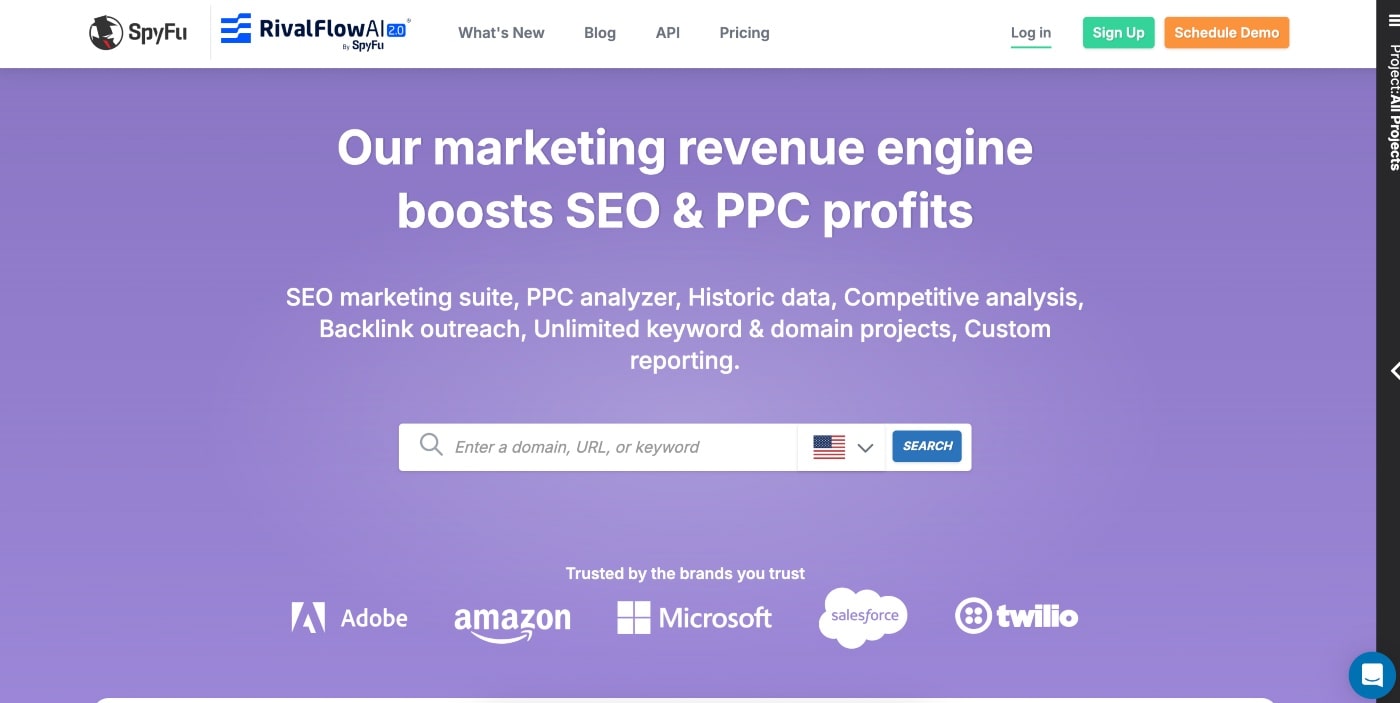
SpyFu is built for one main thing: competitive intelligence. Pop in a competitor’s domain, and it shows you all the keywords they’re ranking for, how much they’re spending on ads, and even the copy they’re using. It basically gives you a cheat sheet for building smarter, more efficient PPC campaigns.
It’s a solid choice if you want to quickly size up the competition or show clients how they stack up in search and paid ads. SpyFu also comes in handy when pitching new clients—give them a glimpse of what their competitors are doing and where they’re vulnerable, and they’ll want you on their marketing teams.
Compared to other tools, SpyFu’s edge is how direct and straightforward it is. It doesn’t overwhelm you with endless features on a complex dashboard. Instead, it zeroes in on what competitors are doing and gives you actionable insights.
13. Semrush
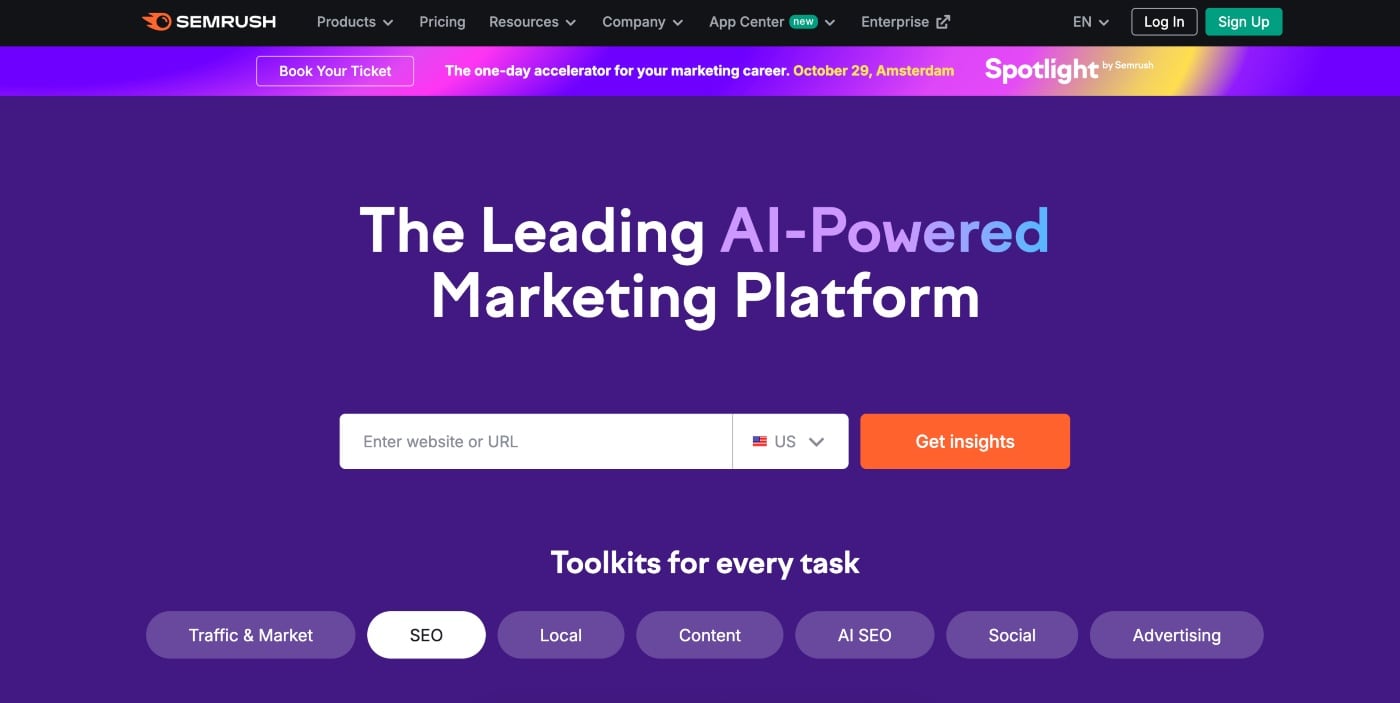
Why guess keywords when Semrush gives you real search data? It shows you the phrases and questions customers use, sorts them by search intent, and ranks them by difficulty level. Where it gets really fun is in the competitive side. Just type in a competitor’s domain, and Semrush lays out the keywords they’re ranking for, the ads they currently run, and even what’s bringing them the most traffic.
It’s a strong fit for advertising agencies that don’t just want to launch ads but want to back them with solid data. If you’re pitching new ideas, managing PPC campaigns, or just trying to prove why one marketing strategy works well, Semrush helps you show the numbers behind your choices.
Now you don’t need a separate tool for audience and another for competitor tracking. Semrush ties it all together so you can build campaigns with confidence and provide more than surface-level client reporting.
Social Media & Multi-Channel Management
Ever tried to post manually across social media platforms and multiple accounts? Then you know how chaotic this can get. You lose time logging in and out of accounts and worrying you might’ve mixed up a post on the wrong client’s profile.
That’s why social media and multi-channel management tools exist. They give you one central place to plan, schedule, and publish content across different platforms. If you’re ready to boost your clients’ social media presence, get any of these digital marketing tools:
14. Hootsuite
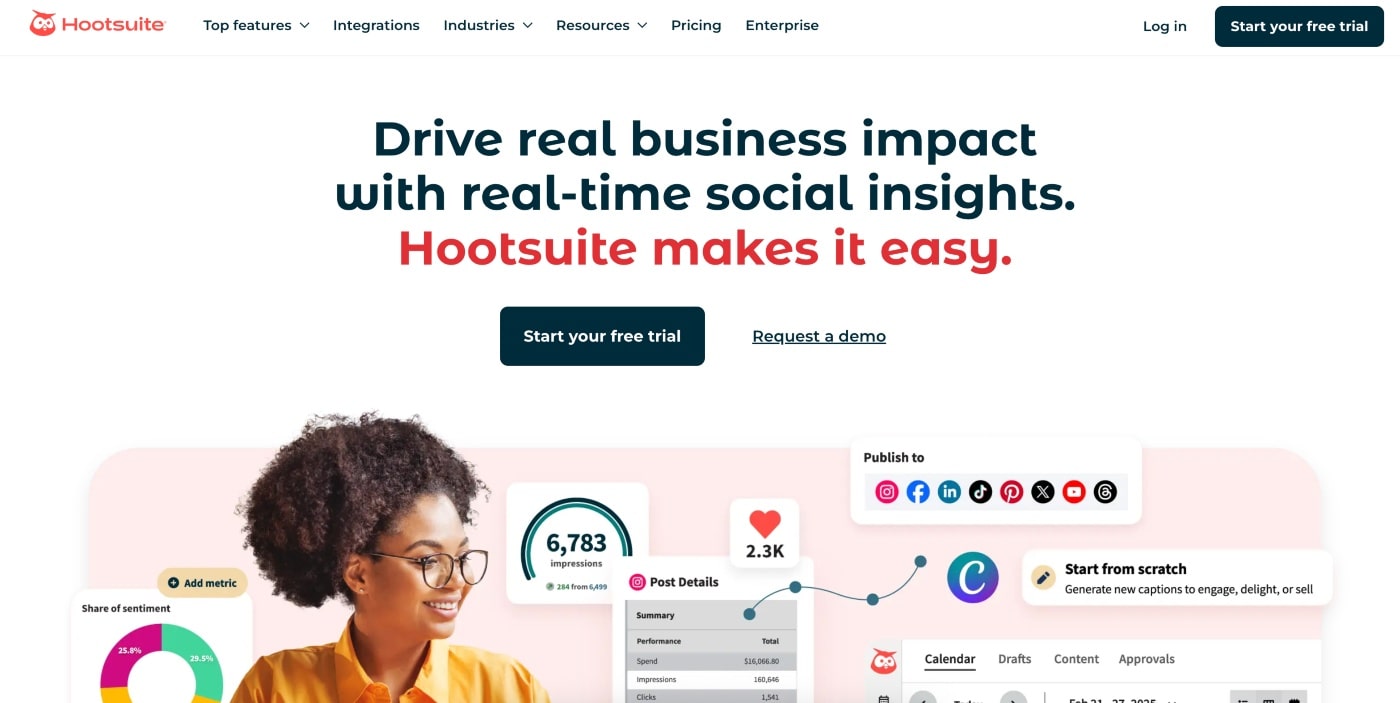
Content marketing agencies rely on Hootsuite to manage unlimited social media accounts. And honestly, it never disappoints. This tool lets you schedule social media posts across every major social channel and even jump into conversations without opening individual apps. Plus, you’ll gain access to OwlyGPT, Hootsuite’s AI tool that takes time-consuming writing tasks off your plate.
Hootsuite makes agency work less chaotic, especially when you have a large roster of clients. You can even build approval workflows so nothing goes live until the right eyes have signed off. You also get deeper analytics that help you explain to clients not just what went wrong, but what actually worked.
And let’s not forget how scalable Hootsuite is. Maybe you start out just scheduling posts, but later you can layer on social listening (to track brand mentions and competitor chatter), or even manage paid ads alongside organic content. Hootsuite grows with you, so you won’t need to get new tools as your business scales.
15. Buffer
Buffer is one of those tools that doesn’t try to be everyone at once. It keeps social media management simple. You can schedule posts, track performance metrics, and maintain a consistent social calendar without drowning in menus or extra features you’ll never touch.
If you’re running a small advertising agency or you’re new to social media management, Buffer’s a great place to start. It gives you just enough to show clients their social media accounts are in good hands.
Buffer’s strong selling point is its simplicity. Even if someone on your team has never touched a scheduling tool before, they’ll get up to speed within minutes. This means less time onboarding, fewer slip-ups, and more time to focus on your marketing campaigns.
CRM, Client Management & Lead Gen
Winning clients is one thing, and keeping them happy is another. And while you’re trying to retain existing clients, you’ve got to manage leads, follow-ups, reporting, and all the back-and-forth that comes with agency work. That’s why customer relationship management (CRM) and lead gen tools are gold.
They help you manage prospects, nurture client relationships, and prove your value with organized data. If you’re ready to ditch outdated methods (like relying on memory or sticky notes), here are the best CRM and lead generation tools for your agency:
16. HubSpot
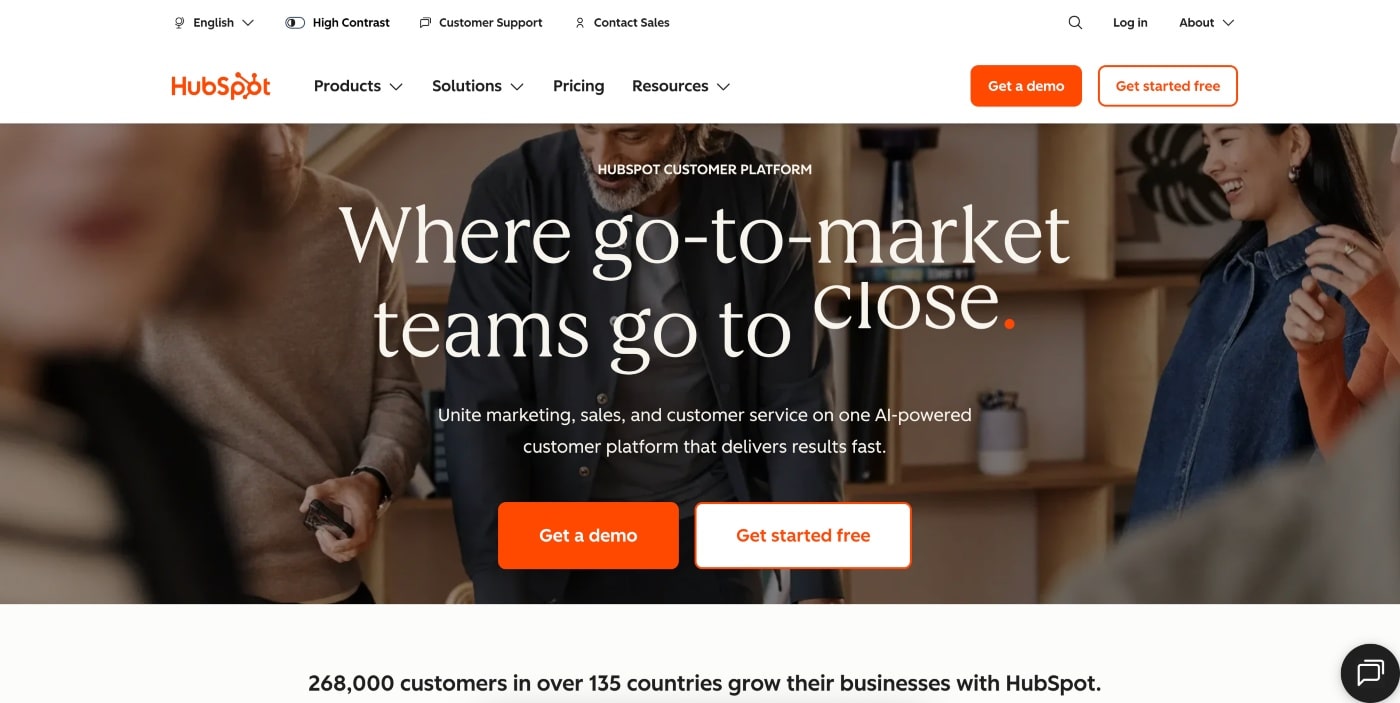
Search for the best CRM tool for advertising agencies, and you’ll find HubSpot topping almost every list. That’s because HubSpot gives you a full picture of your client relationships, from lead capture to signed contracts and beyond. You can handle email campaigns, automated follow-ups, lead scoring, and client reporting—all in one place.
It’s the perfect fit if you want an all-in-one system that handles marketing, sales, and customer service without the hassle. Also, HubSpot offers a generous free plan that makes it easy to dip your toes in (for small teams), then scale up as your agency grows. The paid plans are really pricey though, so be prepared to spend $800 or $3,600 per month to unlock all the features.
What really sets HubSpot apart is its wide range of advertising agency tools. Beyond CRM, it offers marketing automation, landing page builders, reporting dashboards, and even ad management. That means you’re not only managing client relationships but campaigns too, and this keeps marketing teams efficient.
17. Salesforce
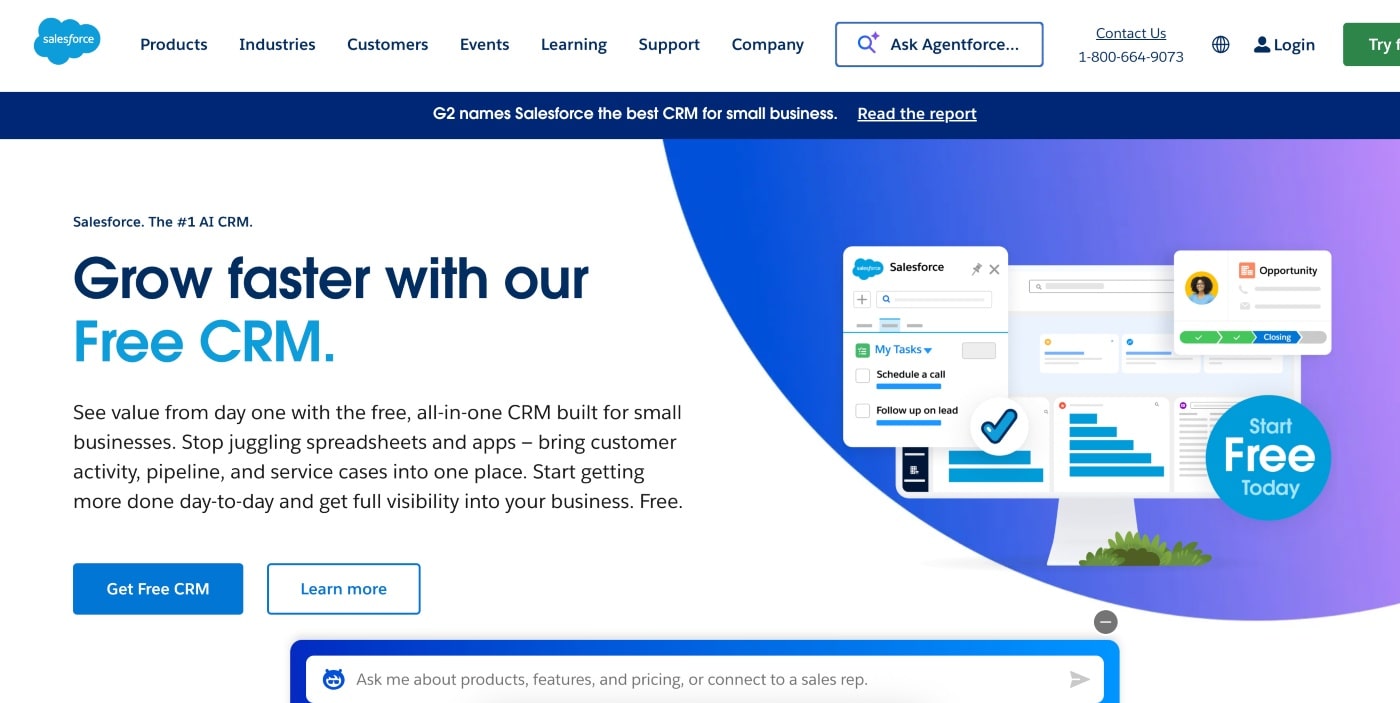
Salesforce gives you ample flexibility to manage leads, track deals, and customize pipelines. Users report that plugging Salesforce into their workflows feels like building a new setup from scratch, and this can be a huge plus if you’ve got complex client needs.
If your agency is scaling fast or works with plenty of clients, you can’t go wrong with Salesforce. You can create workflows, automate repetitive tasks, and integrate Salesforce with other tools you’re currently using. Sure, it takes a little more time to learn than some simpler CRMs, but once your team gets the hang of it, you’ll wonder how you ever managed without it.
The real standout with Salesforce is how much control it offers. Most CRMs lock you into their way of doing things, but Salesforce is more like a blank canvas. You can shape it around your agency’s exact processes, so instead of adjusting your workflow to fit Salesforce, this software adjusts to fit you.
18. HeyReach
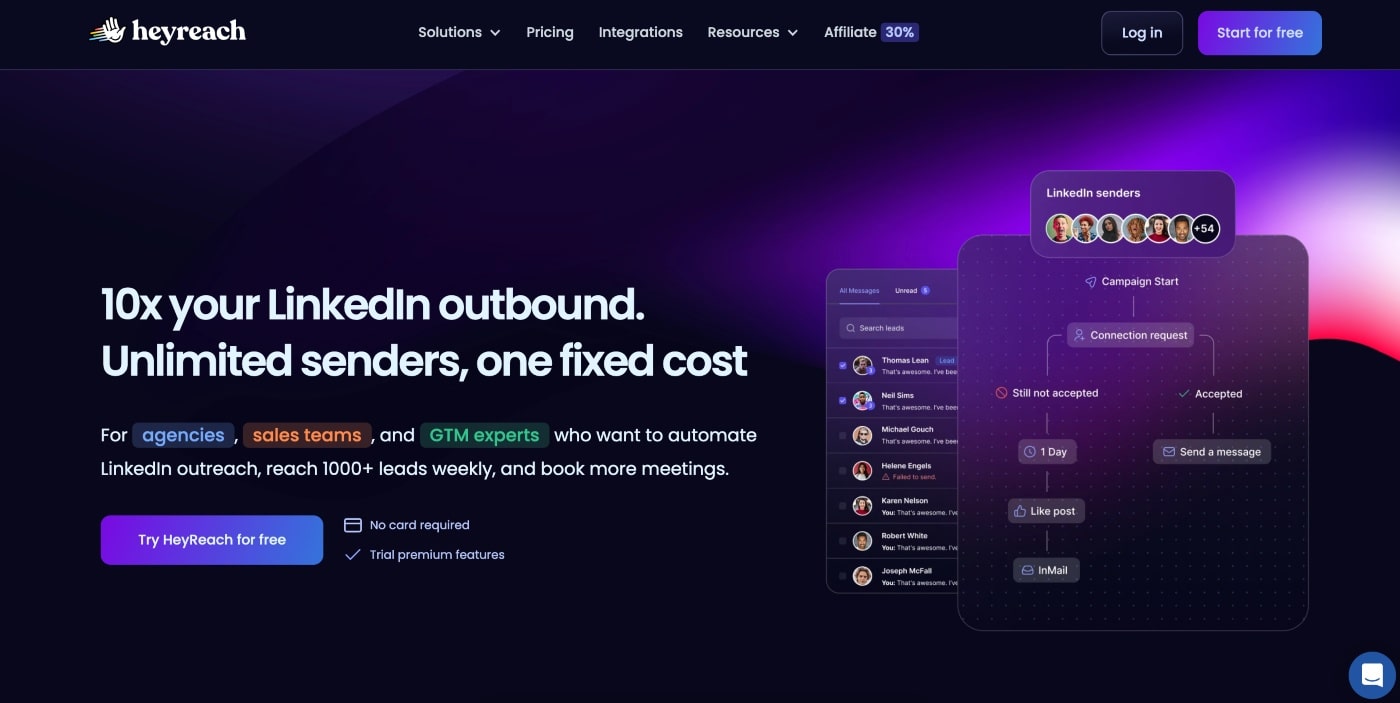
HeyReach has been around for only two years, but marketing agencies trust it for LinkedIn lead generation. Instead of manually sending connection requests and follow-ups, you can automate the process with HeyReach while keeping things personalized.
If your agency relies on LinkedIn outreach to acquire new clients, HeyReach makes your work easier. By running multiple LinkedIn accounts under one dashboard, you can scale outreach efforts without getting accounts flagged. Suddenly, what used to take hours now feels more like a quick check-in before moving on with your work.
HeyReach’s multi-account setup means your whole team can pitch in. Everyone knows exactly where things stand with prospects, which keeps outreach organized and professional. This marketing agency software gives you the level of visibility that maintains momentum and moves leads forward.
RedTrack as the Backbone of Your Advertising Agency
Success begins with selecting the best advertising agency tools. But let’s be honest, every extra tool means another login, another workflow, and probably another gap in your reporting. Not to mention how time-consuming tool-hopping really is.
But why juggle all those differences when you could just manage everything in one place? That’s exactly why smart agencies turn to RedTrack, the all-in-one performance marketing tool built to help you track ads, scale performance, and optimize campaigns across multiple channels and devices. This powerful tool integrates with ad platforms, affiliate networks, and social networks, so you can access all the data you need in one dashboard.
With RedTrack, you’ll not only see which ad got the click but also which touchpoint actually drove the sale. That’s real marketing attribution in action, and it’s what separates successful agencies from those that waste ad budgets chasing the wrong channels.
When it comes to reporting, most tools overcomplicate things. But RedTrack keeps it simple with automated real-time updates that show you what’s working and where you need to step up. Then, you can make data-driven decisions that improve your marketing campaign performance.
All of these add up to one thing: an easier, smarter way to run campaigns, and RedTrack is the only tool that makes it happen. It’s built to save agencies both time and ad spend while keeping campaign performance crystal clear.
Curious about how it works? Sign up for a 14-day free trial to see for yourself.


